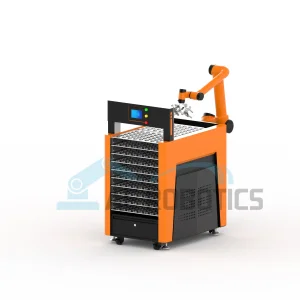
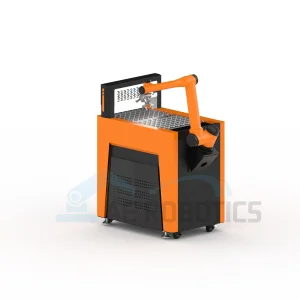
The manufacturing world is currently undergoing a seismic shift. As we transition from traditional production methods to "Industry 4.0," robotic CNC loading solutions have emerged as the backbone of modern machine shops. Globally, the demand for automation in CNC (Computer Numerical Control) machining is no longer just a luxury for large-scale automotive giants; it has become a survival necessity for small to medium-sized enterprises (SMEs) across the United States, Europe, and Asia.
From the high-tech hubs of Germany to the sprawling industrial parks of North America, factories are facing a common challenge: a shortage of skilled labor combined with rising operational costs. Robotic CNC loading solutions factories and exporters are stepping in to bridge this gap, providing systems that can operate 24/7 with zero fatigue, ensuring that lathes, mills, and machining centers run at maximum capacity.
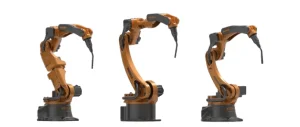
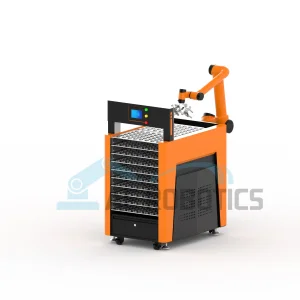
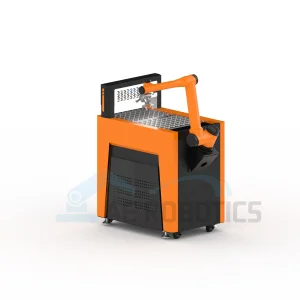
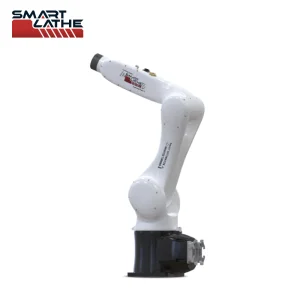
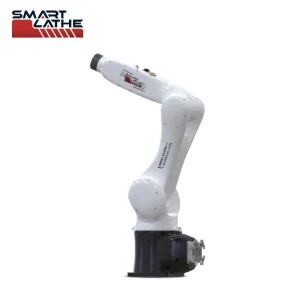
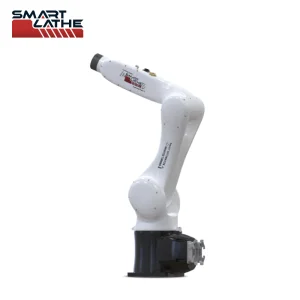
Our 6-axis collaborative robots are designed to handle the most delicate CNC tending tasks. With a reach of up to 1350mm and a 10kg payload capacity, these systems offer the perfect balance between strength and finesse. By integrating these solutions, factories can achieve a consistency in part loading that human operators simply cannot match, leading to a significant reduction in scrap rates and a massive boost in ROI.
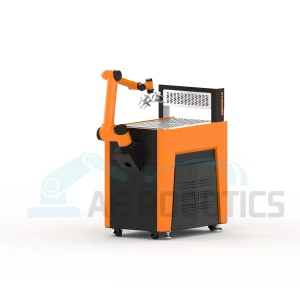
When international buyers search for Robotic CNC loading solutions factories, they aren't just looking for hardware; they are looking for a comprehensive ecosystem that includes software integration, safety compliance, and long-term technical support. In Europe, the focus is heavily on safety certifications (CE) and energy efficiency. In the Southeast Asian market, the priority often lies in scalability and rapid ROI.
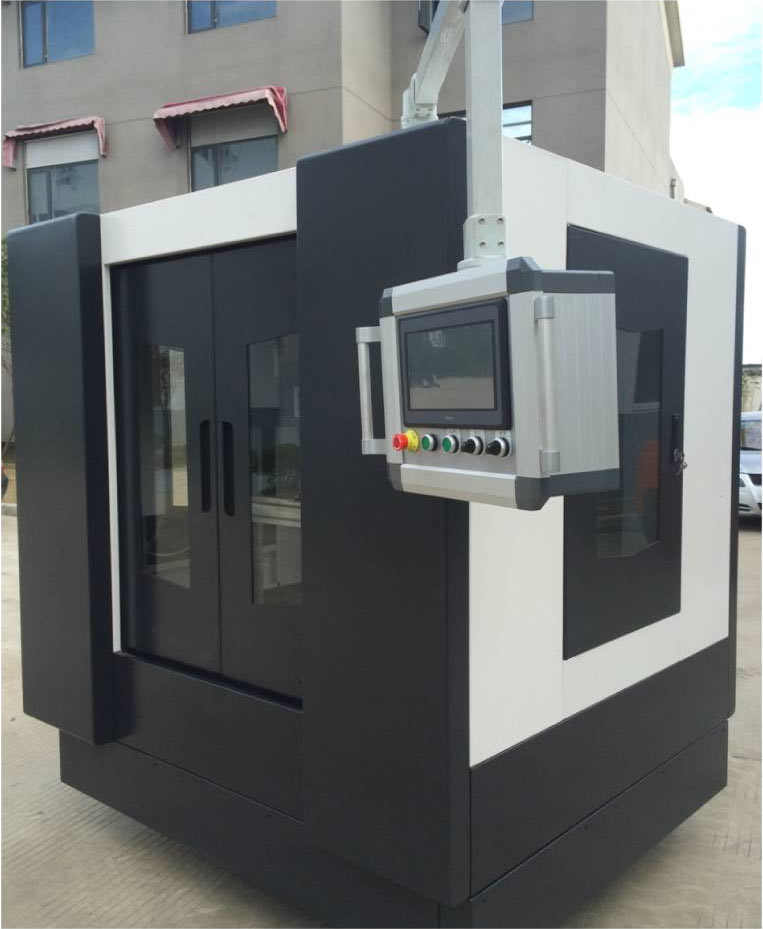
One of the most overlooked aspects of CNC automation is the physical interface between the robot and the machine. Our automatic door closer and opener solutions for CNC lathes provide a seamless, safe, and synchronized movement. This eliminates the need for manual intervention and protects the workspace from coolant spray and debris, creating a truly "lights-out" manufacturing environment.
As a leading Chinese factory and exporter, Shenzhen Cora CNC Industrial Co., Ltd. represents the pinnacle of Chinese manufacturing prowess. The advantage of sourcing from China, particularly from the Pearl River Delta, lies in the unparalleled supply chain integration and the speed of innovation.
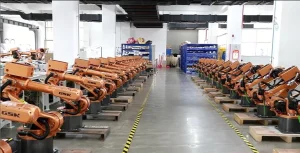
Shenzhen Cora CNC Industrial Co., Ltd. is located in the commercial center of the pearl river delta——Shenzhen City. The company covers an area of nearly 10,000 square meters. The company was founded in 2003, is specialized in creating unmanned, intelligent production equipment for the direction. It is a manufacturer of numerical control equipment and automation equipment integrating R&D, design, production, sales and after-sales.
Our products are exported to overseas, and the countries we have reached cooperation with mainly include: European countries, Brazil, Spain, Singapore, Mexico, Egypt, Kazakhstan, Mongolia, Pakistan and other Southest Asian countries.
We have precision processing equipment and the top precision detection equipment at home and abroad, perfect quality assurance system. We rely on high quality products, good reputation, quality pre-sales and after-sales service. Enjoy a good reputation among many customers.
Customer satisfaction is the driving force for our progress and self-improvement. Our goal is to become your promoter of “Industry 4.0”!
The technical integration of a robotic CNC loading system involves more than just a robotic arm. It requires a synchronized dance between the machine control, the end-effector (gripper), and the safety sensors. For exporters, ensuring that these systems are "plug-and-play" is vital for international success.
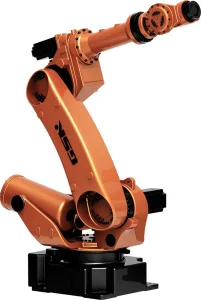
The 6-axis configuration allows for a degree of freedom that mimics the human arm but with far greater repeatability. In the context of CNC tending, this means the robot can reach into the machine, rotate the part to clear obstacles, and place it with sub-millimeter accuracy. This is critical for lathes where parts must be seated perfectly against the chuck or collet to prevent vibration and ensure machining accuracy.
As we look toward 2025 and beyond, robotic CNC loading solutions will increasingly rely on AI-driven edge computing. This allows the robot to make real-time decisions, such as adjusting its grip if a part is slightly misaligned or detecting tool wear through vibration analysis. As a factory committed to Industry 4.0, Shenzhen Cora CNC is at the forefront of these developments, ensuring our global clients receive the most advanced technology available.
Purchasing a robotic system is an investment. For a typical machine shop running two shifts, the ROI for a robotic CNC loading solution is often achieved within 12 to 18 months. This calculation includes labor savings, increased machine uptime (up to 90% vs 60% for manual loading), and the elimination of human-related errors. Furthermore, the ability to run a "third shift" (lights-out manufacturing) provides pure profit potential that was previously unattainable.
Exporting to Europe and North America requires strict adherence to safety standards such as ISO 10218-1 and ISO/TS 15066 for collaborative robots. Our R&D team ensures that every unit leaving our 10,000 square meter facility meets these rigorous benchmarks. From integrated torque sensors that stop the robot upon contact to advanced laser scanners that slow the robot down as a human approaches, safety is engineered into the DNA of our products.
 Cora CNC