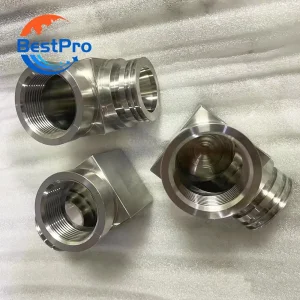
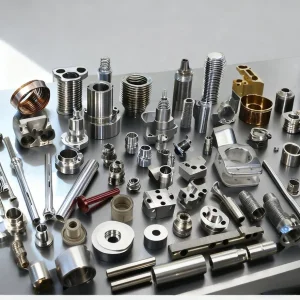
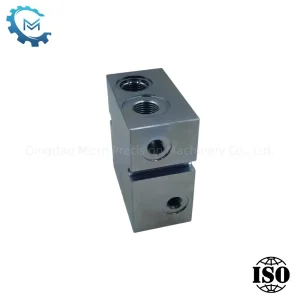
In the modern industrial era, the demand for "smaller, faster, and more precise" has pushed Micro precision CNC machining systems to the forefront of manufacturing technology. As industries like aerospace, medical devices, and telecommunications evolve, the need for components with tolerances measured in microns (μm) has become a global standard.
Industrial Evolution: The transition from traditional mechanical systems to intelligent, miniaturized systems (MEMS) requires sophisticated CNC capabilities that can handle exotic materials and complex geometries.
Suppliers and exporters today are not just part of a supply chain; they are critical R&D partners. From Silicon Valley's tech giants to Germany's automotive powerhouses, the procurement of micro-scale parts is the foundation of next-generation product innovation.
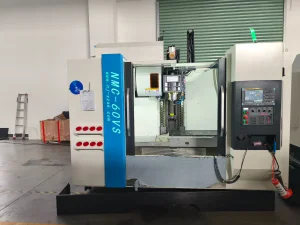
The "Industry 4.0" initiative has revolutionized the factory floor. Intelligent production equipment now uses real-time sensors to adjust tool paths, compensating for thermal expansion or tool wear instantly. This ensures 100% yield rates for high-value micro components.
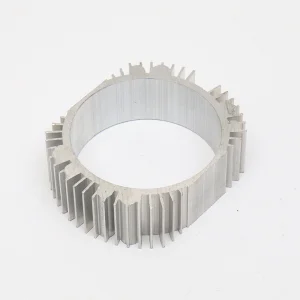
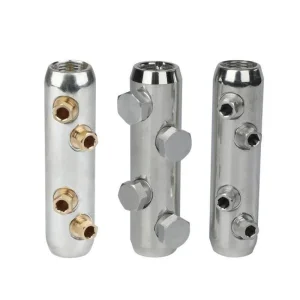
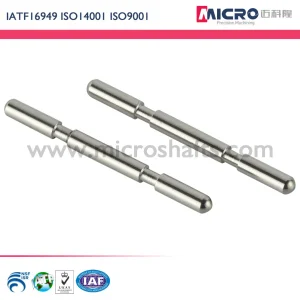
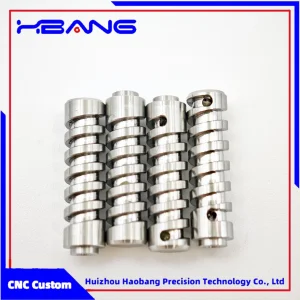
Modern micro precision CNC systems utilize 5-axis and even 7-axis configurations to complete complex parts in a single setup. This reduces cumulative errors and drastically improves the surface finish of miniature transmission shafts and valve blocks.
As a leading exporter, we see a shift towards biocompatible materials and high-strength alloys like Titanium and heat-treated Stainless Steel, particularly for the medical and humanoid robotics sectors.
Global enterprises are increasingly seeking suppliers who can offer OEM and ODM services with IATF 16949 and ISO 9001 certifications. The procurement focus has shifted from mere cost-saving to "Reliability at Scale."
In Europe and North America, micro-machining is vital for surgical instruments, implantable devices, and laboratory diagnostic equipment. Precision is literally a matter of life and death.
With the rise of Electric Vehicles, the demand for high-precision fuel injection components is being replaced by high-efficiency thermal management valves and micro-motor shafts for autonomous driving sensors.
Humanoid robots require hundreds of micro-transmission parts. Suppliers in the Pearl River Delta are uniquely positioned to provide the rapid prototyping and mass production needed for this booming sector.
Precision cast rack and pinion systems are essential for ventilation in smart greenhouses and solar tracking mechanisms, highlighting the versatility of CNC systems.
Shenzhen Cora CNC Industrial Co., Ltd., located in the heart of Shenzhen, represents the pinnacle of Chinese high-tech manufacturing. Since 2003, we have focused on the R&D of unmanned and intelligent production equipment.
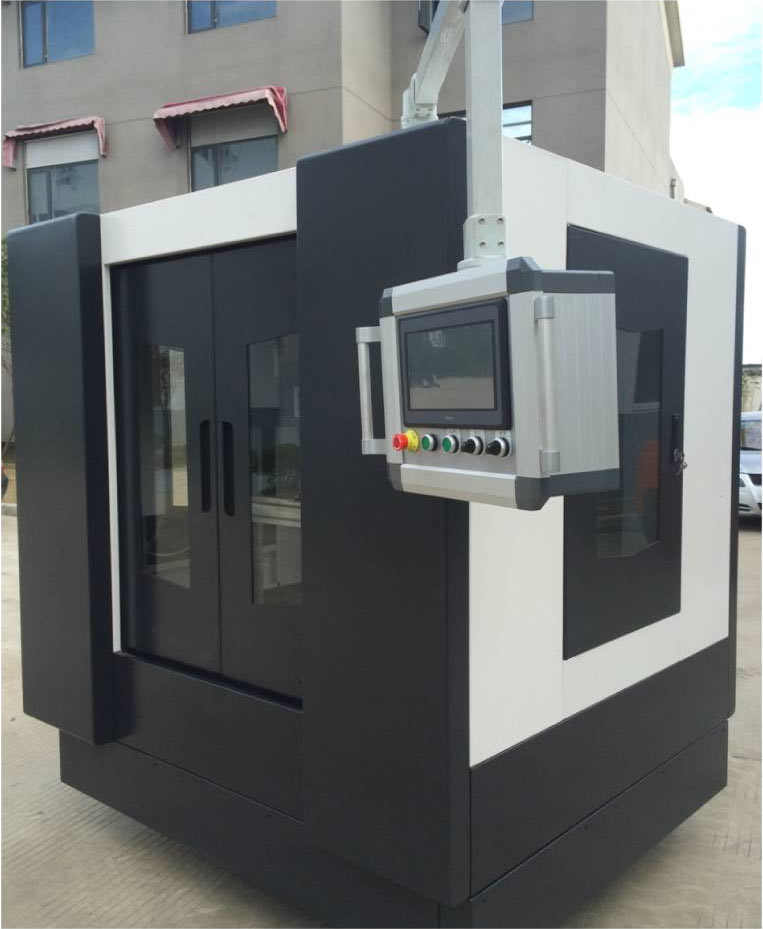
 Cora CNC