Robotic CNC Loading Solutions Factory & Exporter in Muharraq

Pioneering Industry 4.0 Automated Machine Tending Systems. Enhancing Throughput, Eliminating Down-Time, and Structuring High-Yield Production Workflows across the Gulf Cooperation Council (GCC).

Send Inquiry Now

Key CNC Loading & Welding Innovations

Engineered to drive precision, high repeatability, and continuous cycle execution under challenging manufacturing environments.
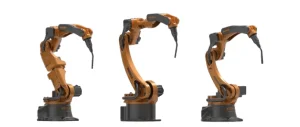
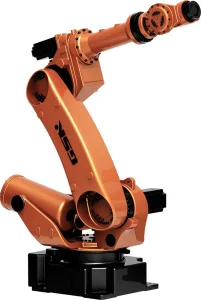
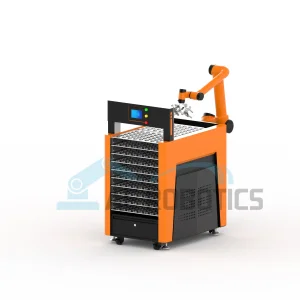
Cutting-Edge Robotic Welding Solutions

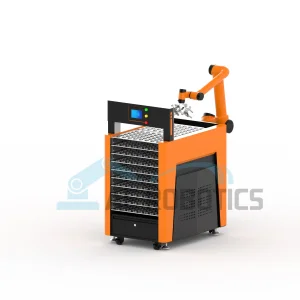
Muharraq Heavy-Duty Robotic Welding Systems for Seamless Metal Connections

View Specs
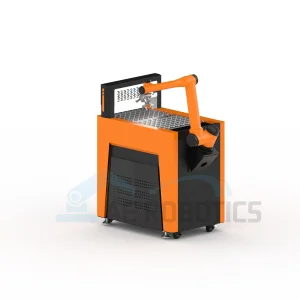
Advanced Robotic Solutions

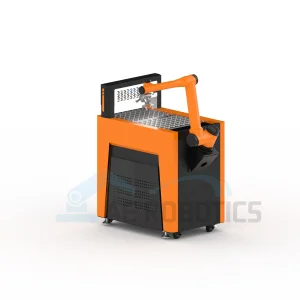
Advanced Industrial Workflow Optimization Robots for Bahrain Manufacturing

View Specs
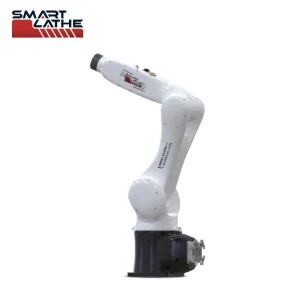
Industrial Robot Collaborative Arm

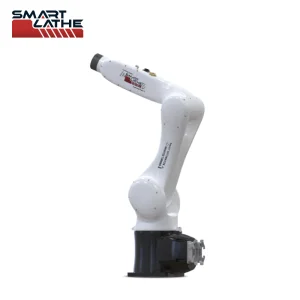
6-Axis Collaborative Robot Arm for Automated CNC Tending Solutions in Hidd

View Specs
6axis MOS-T10 10kg CNC Collaborative Robot

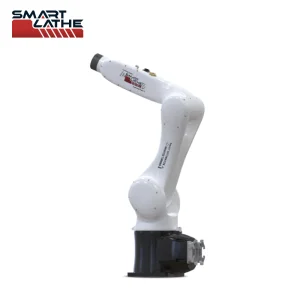
MOS-T10 10kg payload CNC Pick and Place Cobot Solution for Bahrain Workshops

View Specs

1. Industrial Automation Paradigm in Muharraq and the GCC Region

Muharraq, historically celebrated as a crucial trading hub in the Kingdom of Bahrain, is undergoing a profound industrial transition. Driven by the mandates of Bahrain Economic Vision 2030 and the broader industrial diversification goals of the Gulf Cooperation Council (GCC), local enterprises are rapidly steering away from labor-intensive assembly processes toward automated, high-yield manufacturing technologies.

Within Muharraq’s industrial zones and adjacent developmental areas like the Hidd Industrial Area, precision metalworking, aluminum extrusion machining, oil and gas component servicing, and structural fabrication are experiencing unprecedented demand. Traditionally, CNC (Computer Numerical Control) machine tending—specifically the loading and unloading of raw billets, casting parts, and finished components—depended on manual operators. This setup introduced significant operational constraints: variable production cycle times, physical fatigue under extreme ambient temperatures, safety risks from hot chips and cutting fluids, and rising labor acquisition and retention costs.

Deploying specialized robotic CNC loading solutions in Muharraq is no longer a luxury; it has become a fundamental operational requirement. By integrating smart collaborative arms (Cobots) or dedicated industrial robot arms with existing CNC turning centers, milling machines, and lathes, regional factories achieve continuous "lights-out" operation. This automation ensures high dimensional accuracy, maintains stable throughput during shifts, and significantly mitigates the regional challenge of skilled technical labor shortages.

2003
Established Year
10k+
Factory Area (sqm)
24/7
Lights-Out Operation
99.9%
Positioning Accuracy

2. Industry Trends: The Shift Towards Adaptive, Safe Machine Tending

Globally, the robotic CNC loading landscape is defined by three distinct technology trends:

  • Transition to Collaborative Safety: Unlike traditional industrial robots that require extensive perimeter fencing, modern CNC loading projects favor collaborative robots (Cobots). These robots are equipped with highly sensitive joint-torque sensors and speed-limiting control algorithms, allowing human workers to cooperate closely in shared workspaces.
  • Flexible Gripper Configurations: Modern robotic systems utilize pneumatic, hydraulic, or advanced electric adaptive grippers. Dual-gripper systems permit the robot to hold a raw part in one hand and retrieve a finished part with the other, reducing the door-open cycle time of the CNC machine to a minimum.
  • Intuitive Interface Integration (HMI): Interfacing a robot with a CNC controller (such as Fanuc, Siemens, Haas, or Mazak) has historically required deep programming knowledge. Modern solutions rely on specialized software templates and standardized interfaces, dramatically simplifying product changes and kinematic paths.

In Muharraq's local scenario, where production runs may fluctuate between high-mix low-volume (HMLV) batches and high-volume mass production, flexibility is vital. Quick-change gripper fingers, integrated vision systems for irregular part recognition, and mobile base platforms are now standard requirements for local procurement managers.

3. China Industry 4.0: Supply Chain Resilience and Global Sourcing Demands

As global supply chains face geographic disruptions and fluctuating raw material costs, the strategic integration between China's advanced manufacturing clusters and GCC industrial enterprises has become a cornerstone of supply chain resilience.

Shenzhen Cora CNC Industrial Co., Ltd., positioned within the Pearl River Delta commercial hub, leverages a vast local ecosystem of precision component suppliers, electronics manufacturers, and software innovators. This location provides unique efficiency advantages:

  • Rapid Prototyping & Customization: Cora CNC can execute engineering design modifications—such as custom mounting plates, protective dust bellows, or custom gripper profiles—much faster than traditional manufacturers bound by rigid, outsourced component channels.
  • Advanced Quality Testing Infrastructure: Equipped with coordinate measuring machines (CMM), laser interferometers, and strict thermal testing chambers, Cora CNC ensures that every robot arm leaving the factory is calibrated to meet international specifications.
  • Cost-Effective Innovation: Leveraging local industrial clustering, Cora CNC provides reliable solutions at a significantly lower capital cost, helping GCC importers amortize their automation investment in a shorter timeframe.

Ready to Optimize Your CNC Production Lines in Muharraq?

Contact our technical engineering team for custom payload, reach, and system integration consultations.

Request Technical Proposal

4. Localized Application Scenarios for Bahrain Manufacturers

To illustrate how Shenzhen Cora CNC's product line matches the specific needs of factories in Muharraq, consider these typical application scenarios:

Scenario A: High-Precision Turning of Valve Bodies (Oil & Gas Sector)
An operator in Muharraq needs to load heavy steel forgings into a CNC lathe. Using the MOS-T10 10kg payload cobot, the system handles heavy raw parts safely. Configured with dual pneumatic grippers and integrated with an automatic door closer system, the robot retrieves finished components, blows away metal chips from the chuck using compressed air, and loads a new forging within an 18-second transfer window.

Scenario B: Aluminum Extrusion Milling & Finishing
Bahrain is home to some of the world's largest aluminum manufacturing facilities. Secondary processing of aluminum profiles requires milling, drilling, and deburring. The 6-axis Aet10 CNC Collaborative Robot executes precise paths to load extrusions, while an automated door opener ensures the CNC cabinet is closed during high-pressure coolant wash cycles, keeping workers isolated from mist and noise.

Shenzhen Cora CNC Industrial Co., Ltd.

Shenzhen Cora CNC Industrial Co., Ltd. is located in the commercial center of the pearl river delta——Shenzhen City. The company covers an area of nearly 10,000 square meters. The company was founded in 2003, is specialized in creating unmanned, intelligent production equipment for the direction. It is a manufacturer of numerical control equipment and automation equipment integrating R&D, design, production, sales and after-sales.

Our products are exported to overseas, and the countries we have reached cooperation with mainly include: European countries, Brazil, Spain, Singapore, Mexico, Egypt, Kazakhstan, Mongolia, Pakistan and other Southeast Asian countries.

We have precision processing equipment and the top precision detection equipment at home and abroad, perfect quality assurance system. We rely on high quality products, good reputation, quality pre-sales and after-sales service. Enjoy a good reputation among many customers. Customer satisfaction is the driving force for our progress and self-improvement. Our goal is to become your promoter of “Industry 4.0”!
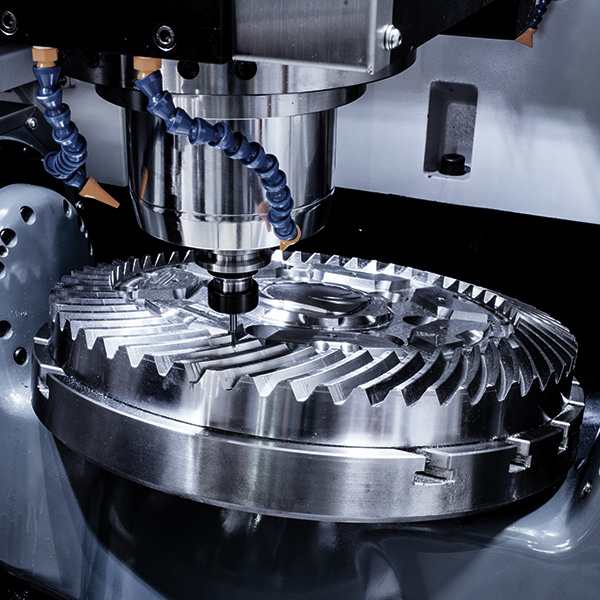
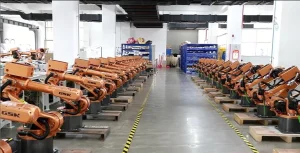
Cora CNC Production Facility

5. Quality Assurance: Implementing E-E-A-T in Robotic Engineering

When investing in robotic machinery, reliability is the primary performance indicator. Cora CNC addresses industrial reliability through a series of engineering validations:
  • Component Tracing: We integrate high-precision harmonic/cycloidal reducers, servo motors, and absolute encoders from leading global manufacturers to ensure high repeatability (+/- 0.02mm to 0.05mm) over long operating spans.
  • IP65 to IP67 Protection Ratings: Our robot arms designed for machine tending feature sealed joints to prevent dust, oil mist, and water ingress, ensuring reliable operation in tough machine shop environments.
  • Rigorous Factory Testing: Every robot arm undergoes a continuous 72-hour load testing cycle before shipping, ensuring that installation and deployment at the buyer's facility proceed smoothly and reliably.

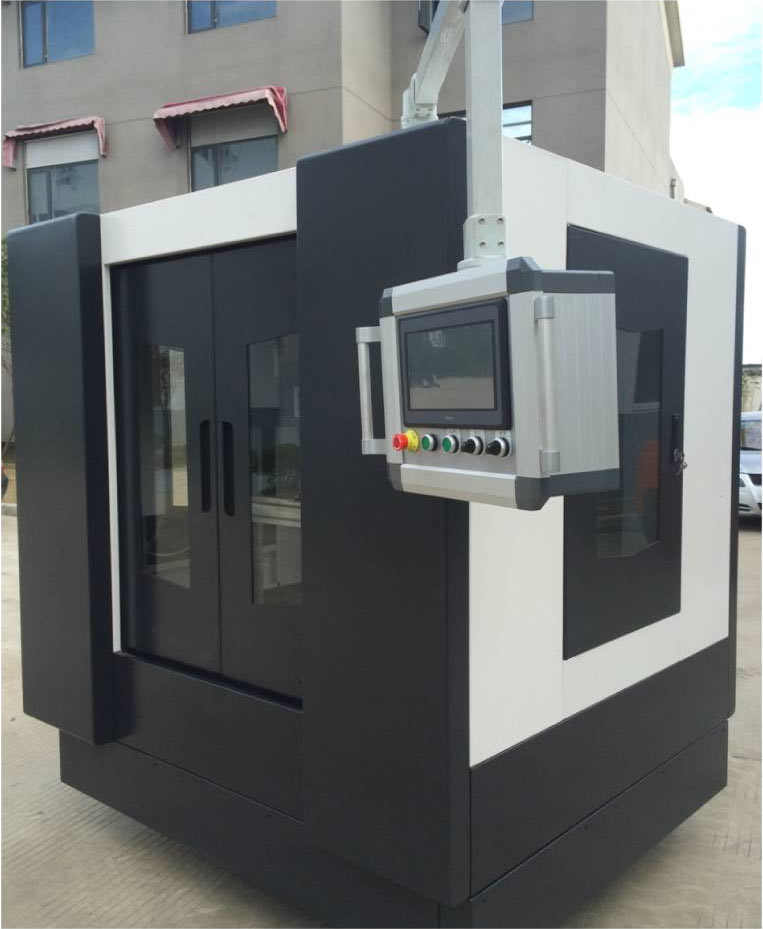
Cora CNC Robotic Testing

6. Technical Frequently Asked Questions (FAQ)

Q1: How do Cora CNC robots interface with older CNC controllers lacking standard ethernet communication?
For older CNC control cabinets that do not support modern protocols like Profinet, EtherCAT, or OPC UA, we utilize hardwired digital I/O interfaces. This setup connects the robot's control cabinet directly to the CNC’s M-function relays (e.g., Cycle Start, Chuck Open/Close, Door Open/Close, Machine Busy, and Emergency Stop), enabling stable hardware synchronization.
Q2: What are the electrical power requirements for installing these robots in Muharraq, Bahrain?
Our standard industrial robots and collaborative arm controllers support universal single-phase 220V AC (50/60 Hz) or three-phase 380V/400V AC (50Hz), matching Bahrain's standard industrial grid. We include internal surge protection and line filtering to shield the robot's logic boards from voltage fluctuations common in heavy industrial zones.
Q3: How do collaborative robots (Cobots) perform in high ambient temperatures typical of the GCC summer?
Cora CNC cobots are engineered to operate in ambient temperatures up to 45°C. For applications exceeding this threshold or involving prolonged heavy duty cycles, we recommend integrating localized auxiliary fan cooling on the joint casings or housing the main robot controller cabinet in an air-conditioned enclosure to prevent thermal throttling.
Q4: What is the typical installation, calibration, and ROI period for a CNC loading setup?
Mechanical and electrical installation usually takes 2 to 4 days, followed by 3 days of program teaching and dry-run validation. Depending on the local labor cost base and shifts run (especially when implementing two- or three-shift configurations), most clients in Muharraq achieve full return on investment (ROI) within 12 to 18 months.

Comprehensive Product Range & Integrated Solutions

From dual-arm collaborative configurations to specialized automated CNC safety mechanisms.
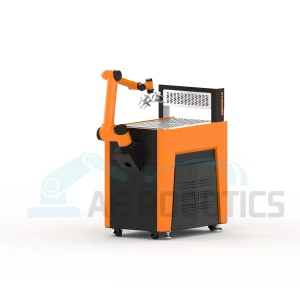
MOS-T10 10kg 6 Axis Collaborative Robot

MOS-T10 6-Axis CNC Loading Cobot with 1350mm Reach for Bahrain Exporters

View Specs
Automatic Door Closer for CNC Lathes

Muharraq Industrial Automatic Door Closer Solutions for Multi-Spindle CNC Lathes

View Specs
CNC Lathe Automatic Door Opener

Pneumatic CNC Lathe Automatic Door Opener and Closer Systems for Muharraq Shops

View Specs
6 Axis Aet10 CNC Collaborative Robot

6 Axis Aet10 CNC Machine Tending Collaborative Robot System in Bahrain

View Specs
Precision Industrial Robot Arm

Heavy-Duty Precision Load and Unload Industrial Robot Arm in Hidd Industrial

View Specs
CNC Collaborative Robot Pick and Place

Aet10 10kg Payload 1350mm Reach CNC Collaborative Robot Pick & Place Solution

View Specs
Automatic Door Opener Closer Solutions

Comprehensive Automatic Door Safety Solutions for High-Speed CNC Lathes

View Specs
Cutting-Edge Robotic Welding Solutions

Muharraq Heavy Industrial Precision Robotic Welding System for Alloys

View Specs
Send Inquiry Now