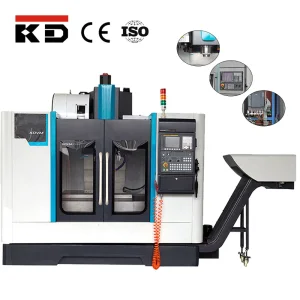
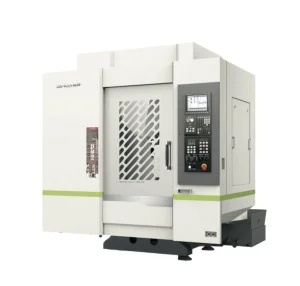
Engineered for maximum rigidity, ultra-fast spindle performance, and uninterrupted duty cycles in challenging manufacturing environments.
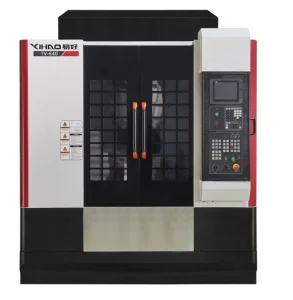
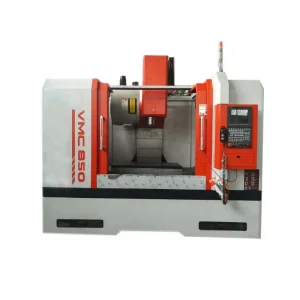
Over the past decade, the Republic of Benin has embarked on a structural economic transformation. Led by initiatives like the Glo-Djigbé Industrial Zone (GDIZ), the country is rapidly shifting its profile from an exporter of raw agricultural materials (cotton, cashews) to a manufacturing powerhouse in West Africa. High-speed CNC machining centers represent the foundational tech infrastructure needed to drive this evolution.
By shifting local operations away from manual fabrication toward automated CNC milling, turning, and drilling, Beninese metal construction works, automotive parts rebuilders, and light industrial plants are achieving the tight dimensional tolerances required by global trade partners. Precision mechanical parts, structural aluminum profiles, and specialized agricultural tooling can now be engineered domestically, drastically reducing import dependence and logistics times.
How technological convergence, structural mechanics, and modern automation software impact international machine tooling selection.
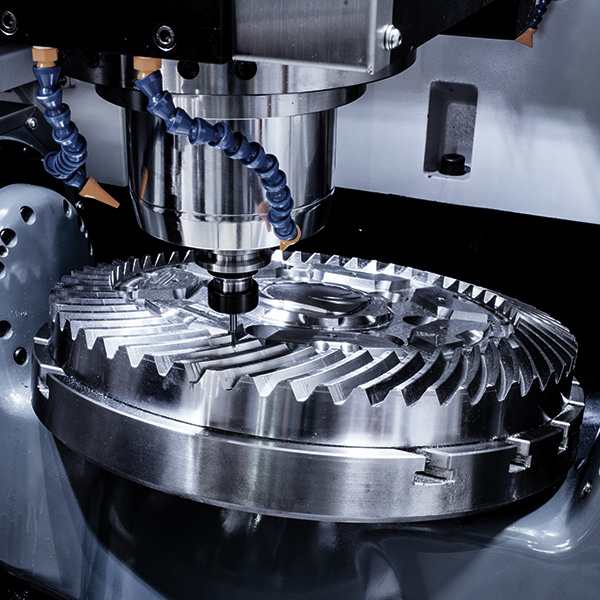
Modern metalworking demands spindle speeds ranging from 12,000 to over 24,000 RPM. High rotatory velocities ensure clean cut edges on aluminum and copper-based alloys, essential for curtain wall manufacturing and aerospace tooling components.
Thermal stability is a primary challenge in tropical climates. Advanced CNC centers implement active liquid-jacketed cooling for spindles and ball screws, keeping structural geometries accurate down to micro-levels even in fluctuating temperatures.
Integrating modern digital controllers (such as Fanuc, Siemens, or Syntec) allows operators to monitor runtime performance remotely, diagnose mechanical wear dynamically, and execute complex G-code parameters directly from cloud assets.
A breakdown of customization standards needed to deploy and maintain high-speed machining centers in Benin's unique climate and industrial conditions.
Operating precise industrial electronics and mechanical parts in coastal environments like Cotonou requires active adaptations. Cora CNC works closely with Beninese businesses to implement localized solutions that guarantee reliable, 24/7 uptime:
Electricity supply stability varies in West Africa. Unregulated voltage sags and spikes can catastrophically damage sensitive servo drives and main spindles. Every high-speed CNC machine dispatched to Benin is compatible with external industrial-grade dry-type voltage regulators (stabilizers) and isolation transformers. We configure our control circuits with built-in phase protection modules to instantly shut down the machine before components suffer damage during supply loss.
High relative humidity along the Gulf of Guinea accelerates rust and causes condensation inside electrical cabinets. Cora CNC equips each unit destined for tropical zones with specialized cabinet heat-exchangers or industrial air conditioners. This keeps the internal cabinet temperature stable at 25-28°C and seals out salty sea air, protecting microprocessors and relay systems from moisture-induced short circuits.
The structural rigidity of our high-speed vertical machining centers is derived from their Meehanite-cast iron beds. Using Finite Element Analysis (FEA), we identify high-stress mechanical points and add internal cross-ribbing. This dampens harmonic vibrations when the high-speed spindle reaches 15,000+ RPM, preventing cutting tools from chattering and extending overall tool life by up to 40%.
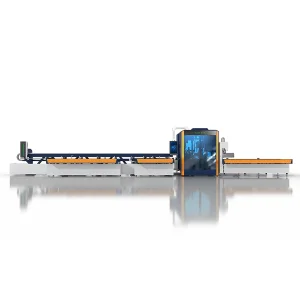
Our extended catalog features versatile double-column gantries and long-stroke machining units optimized for heavy fabrications.
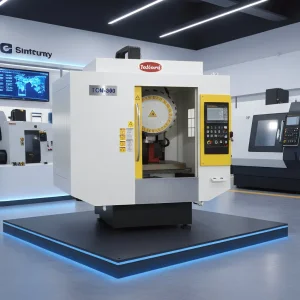
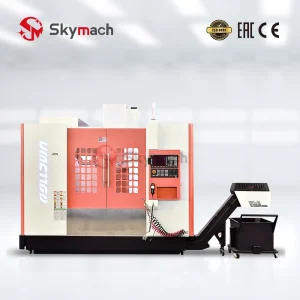
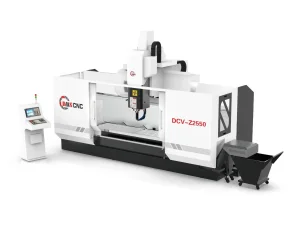
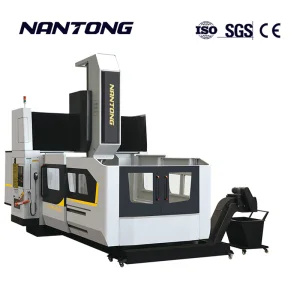
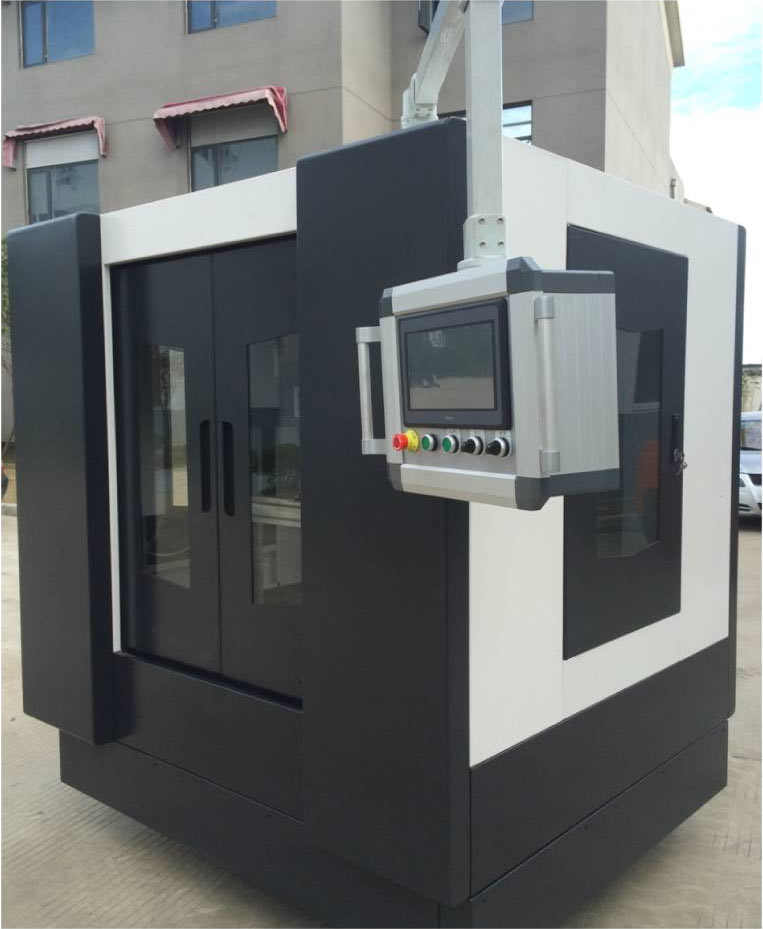
Shenzhen Cora CNC Industrial Co., Ltd. is located in the commercial center of the Pearl River Delta—Shenzhen City. The company covers an area of nearly 10,000 square meters. Founded in 2003, our focus is creating unmanned, intelligent production equipment to streamline industrial processes. We operate as an integrated manufacturer of numerical control and automation equipment, combining in-house R&D, design, production, sales, and after-sales service.
Our products are exported to global markets. We have established long-term business relations with manufacturing partners across Europe, Brazil, Spain, Singapore, Mexico, Egypt, Kazakhstan, Mongolia, Pakistan, and Southeast Asian countries. We rely on top-tier precision processing machinery and domestic/international quality inspection equipment to maintain a comprehensive quality assurance system. Our goal is to serve as your partner in the transition to "Industry 4.0" automation.
Benin spends millions of dollars annually importing mechanical components, agricultural spare parts, and finished aluminum profiles. Introducing high-speed VMC and drilling-tapping machines allows local enterprises to produce high-value parts domestically. Machining tolerances within ±0.005mm make it possible to manufacture complex engine gears, pump valves, and extrusion dies locally inside the Glo-Djigbé Industrial Zone.
For operations manufacturing aluminum window frames, curtain walls, or complex engine assemblies, moving from 3-axis to 4-axis or 5-axis configurations reduces setup times by enabling multi-sided machining in a single clamping. Cora CNC models come pre-wired for 4-axis rotary tables. This helps operators process complex geometries without repositioning errors, minimizing scrap rates and material waste.
We understand that operating advanced CNC equipment in developing industrial markets requires robust support. Cora CNC uses internet-connected diagnostic tools on all machines equipped with network interfaces. When a technician in Cotonou encounters a programming issue or mechanical alert, our engineering team in Shenzhen can access the controller's log files remotely. This diagnostic approach helps troubleshoot over 85% of software and operation challenges without requiring on-site visits.
Our feed systems rely on high-precision linear guides and C3-class double-nut ball screws pre-stretched to prevent thermal expansion. The spindles use high-grade ceramic hybrid bearings, which generate less heat than standard steel ball bearings at high speeds. This keeps runout low and provides the stability needed for continuous high-speed cutting.
Answers to common questions regarding logistics, installation, technical specifications, and training for CNC operations in Benin.
 Cora CNC