Advanced flexible machinery engineered for autonomous operations, fast setup transitions, and high-precision production output.
The Emirate of Dubai and the broader United Arab Emirates are undergoing a profound industrial evolution. Under national initiatives like the "Dubai Industrial Strategy 2030" and the "Operation 300bn", the UAE aims to transition its economic landscape into a highly diversified, knowledge-based, and technology-driven hub. A key pillar of this transformation is the integration of high-precision manufacturing, smart robotics, and Flexible CNC Manufacturing Cells.
For decades, reliance on traditional supply chains exposed local industries to global logistics vulnerabilities. Today, Dubai-based companies are focusing on localization, rapid prototyping, and high-mix, low-volume (HMLV) production. Flexible CNC manufacturing cells provide the ultimate solution—combining CNC machining centers, raw stock storage, pallet systems, and articulated robots into a unified ecosystem capable of running unsupervised, lights-out shifts. This optimizes floor space, significantly reduces reliance on manual operations, and ensures precision engineering consistency for the demanding infrastructure projects across the GCC region.
Understanding the global shifts in manufacturing technology that dictate the specifications of modern CNC cells.
Global operations now demand machine-to-machine (M2M) communication protocols such as OPC UA and MTConnect. Modern CNC controllers feature open APIs that allow integration with local MES and ERP systems, facilitating real-time cycle tracking, tooling monitoring, and maintenance predictive alerts.
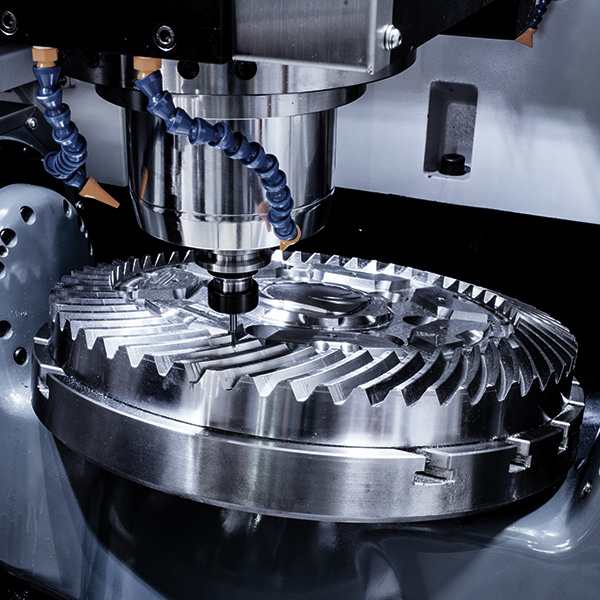
Complex parts used in oil & gas valves, aerospace turbine blisks, and high-capacity electrical setups are moving away from multi-stage operations. Integrated 5-axis cells with pallet changers execute multiple operations in a single setup, maintaining tight tolerances (within ±3 microns) and minimizing fixture adjustments.
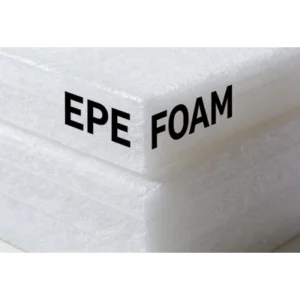
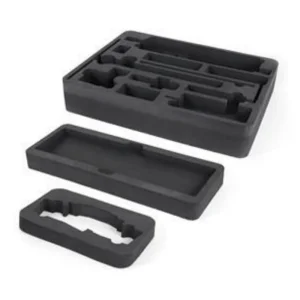
Smart factories rely on eco-optimized manufacturing cells. These systems employ intelligent standby modes, regenerative variable-frequency servo drives, and closed-loop filtration for coolants. They also incorporate sustainable packaging processes (such as integrated foam recycling cells) directly into the shop floor ecosystem.
Complementary flexible systems to support mechanical, logistics, packaging, and custom mold fabricating operations in Dubai.
How flexible manufacturing systems address the specific needs of regional industries.
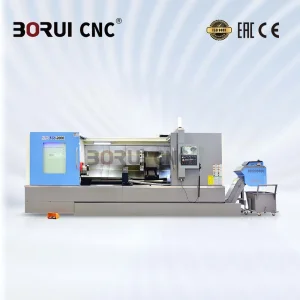
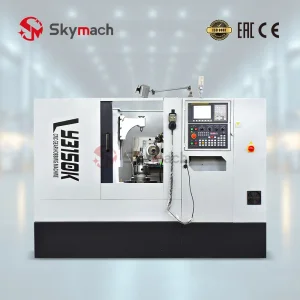
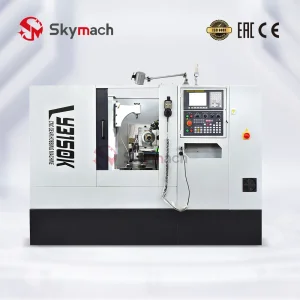
Dubai serves as a global hub for petroleum services. High-pressure valves, connectors, and drilling assemblies require materials like Inconel, duplex steel, and titanium. Our high-rigidity CNC slant-bed lathe setups, coupled with robot loading arms, allow autonomous machining of heavy-duty parts, ensuring stability, high material removal rates, and reliable round-the-clock operations.
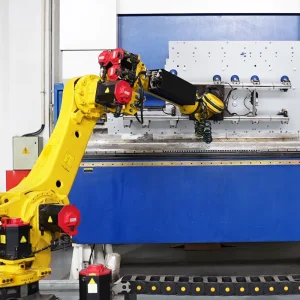
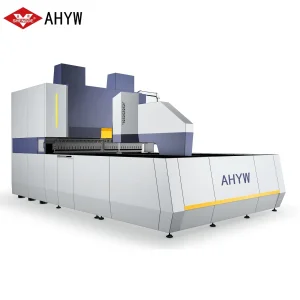
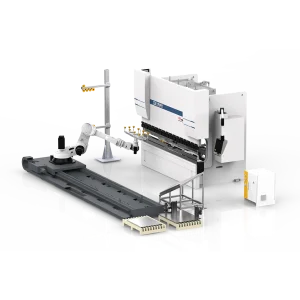
The skyline of Dubai demands bespoke cladding, structural bracket joints, and complex structural curtain walls. Traditional press brakes struggle with the speed and variability of custom angles. Incorporating dynamic robotic bending cells with automatic angle measurement correction ensures that every profile is bent accurately, minimizing manual test runs and scrap rates.
With massive aviation operators headquartered in Dubai, MRO (Maintenance, Repair, and Overhaul) demands are soaring. Compact 5-axis manufacturing cells are crucial for rapid turnarounds on critical aero-engine brackets and customized mechanical components. They eliminate multiple fixtures, reducing errors and ensuring safety-critical standards are met.
A trusted global manufacturer of intelligent numerical control equipment and automated production cells.
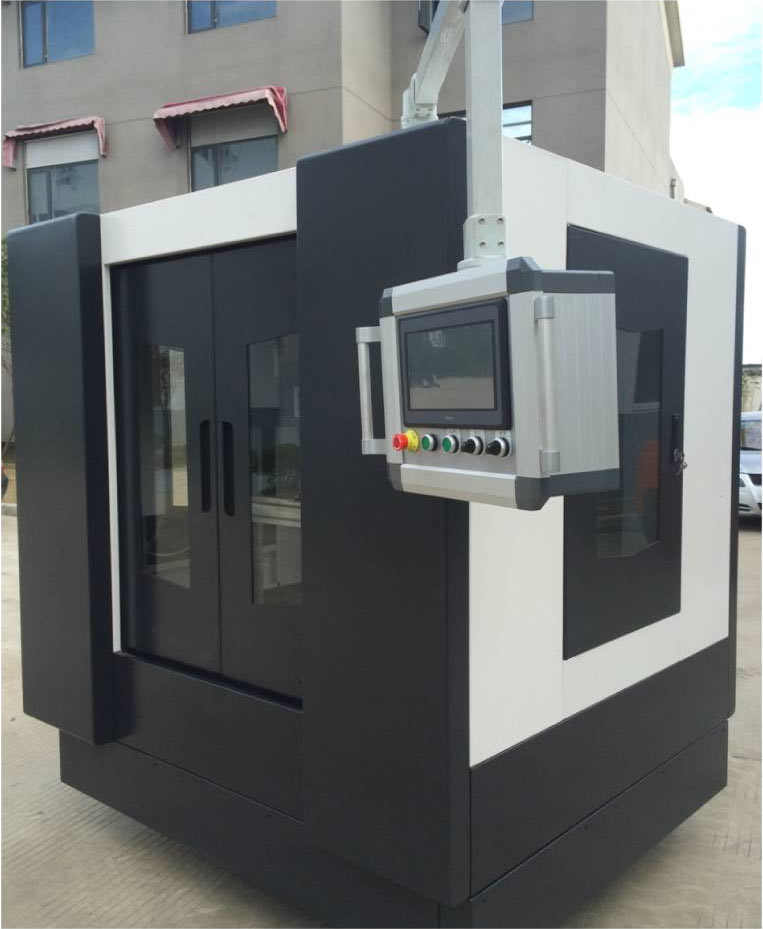
Shenzhen Cora CNC Industrial Co., Ltd. is located in the commercial center of the Pearl River Delta—Shenzhen City. The company covers an area of nearly 10,000 square meters. The company was founded in 2003, and is specialized in creating unmanned, intelligent production equipment. It is a manufacturer of numerical control equipment and automation equipment integrating R&D, design, production, sales, and after-sales service.
Our products are exported globally. The countries and regions we have reached cooperation with mainly include: European countries, Brazil, Spain, Singapore, Mexico, Egypt, Kazakhstan, Mongolia, Pakistan, and other Southeast Asian countries. We possess precision processing equipment and top-precision detection equipment, backed by a perfect quality assurance system. We rely on high-quality products, an established reputation, and comprehensive pre-sales and after-sales services to enjoy a strong standing among our international customers.
Customer satisfaction is the driving force for our progress and self-improvement. Our ultimate goal is to become your primary promoter of "Industry 4.0"! Whether you need to automate a single machine or coordinate an entire factory floor with automated pallet changers, cell controllers, and robotic interfaces, Shenzhen Cora CNC delivers tailored solutions built for continuous uptime.
The standard technological stages for implementing flexible machining automation in your factory.
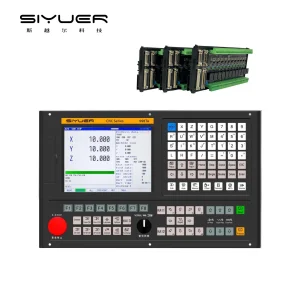
Integrating CNC controllers with custom robotic interfaces. Utilizing industrial communication protocols (EtherNet/IP, PROFINET) to establish safety interlocks, handshake routines, and coordinates exchange for material loading and unloading.
Configuring pallet changers or automated storage and retrieval systems (ASRS). Integrating customizable CNC pallet systems that identify fixtures via RFID tags, allowing the cell to process different workpieces in any sequence.
Implementing tool wear detection, automatic laser tool presetters, and coordinate probing systems. If a tool breaks during unsupervised night operations, the controller automatically selects a sister tool or flags the cell controller for operator intervention.
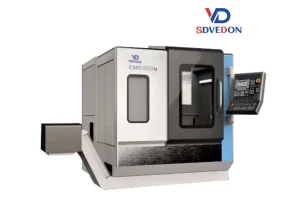
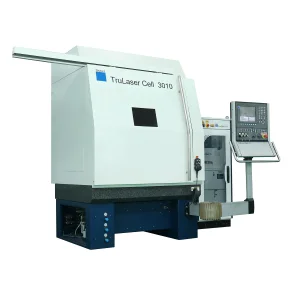
Industrial machinery, controllers, and pallet systems engineered for seamless integration into high-efficiency automated lines.
Answers to crucial architectural, integration, and procurement queries regarding CNC automation in the Middle East.
 Cora CNC