EQUATORIAL GUINEA INDUSTRIAL SECTOR REPORT

Bar Feeding CNC Turning Systems Manufacturers & Exporter in the Equatorial Guinea Market

Providing Next-Generation Precision, Seamless Multi-Axis Integration, and Intelligent Automation Systems for Sub-Saharan Africa's Emerging Manufacturing Hubs.

Equatorial Guinea Industrial Dynamics & Bar Feeding Technology

A comprehensive analysis of precision machining, automated raw material loading, and regional macroeconomic opportunities.

1. The Industrial Landscape of Equatorial Guinea & CEMAC Markets

Equatorial Guinea, historically recognized for its vast hydrocarbon reserves, is undergoing a profound structural shift toward industrial diversification. The national developmental strategy—underwritten by regional frameworks in the CEMAC (Economic and Monetary Community of Central Africa) zone—prioritizes the localization of value-added manufacturing. From the infrastructure expansion in Malabo on Bioko Island to the logistical corridors connecting the mainland city of Bata, the demand for locally machined components has surged.

Modernizing workshops in Equatorial Guinea require high-efficiency bar feeding CNC turning systems. By automating the raw material loading process, local manufacturers can scale production of high-tolerance fittings, customized hydraulic couplings, timber processing machinery spares, and structural fasteners. Implementing these automated solutions mitigates dependency on expensive, time-consuming parts importation, thereby bolstering regional supply chain resilience.
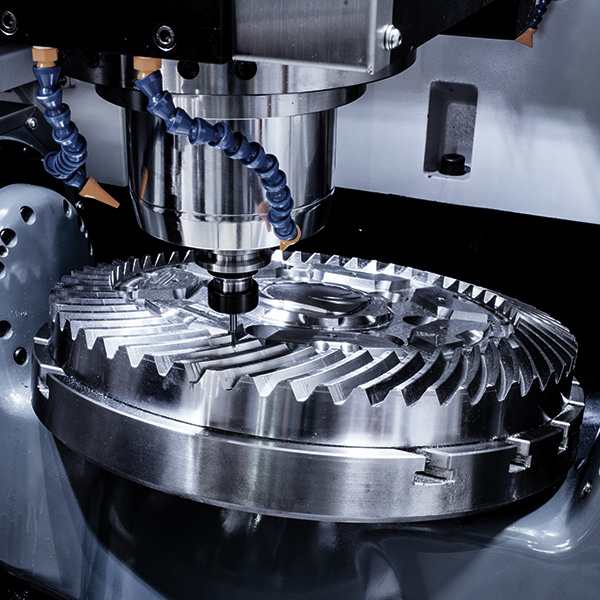
Cora CNC Advanced Assembly Line

2. Technical Breakdown: Bar Feeding Mechanisms & Multi-Axis Kinematics

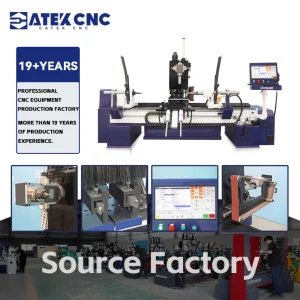
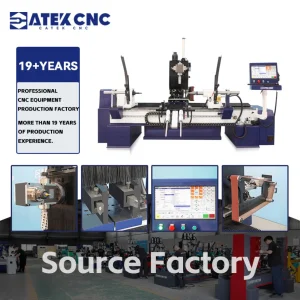
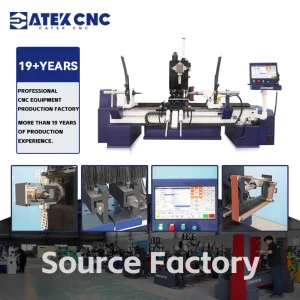
A bar feeding CNC turning center is an integrated system designed to enable continuous, unattended machining cycles. Unlike manual chuck loading, which interrupts operations and compromises dimensional consistency, a bar feeder feeds raw bar stock directly through the lathe’s main spindle. This system relies on a series of advanced engineering subsystems:

  • Hydrodynamic Bar Support: High-precision hydrodynamic channels support the rotating bar inside oil-filled chambers. The viscous resistance of the oil dampens high-frequency vibrations, permitting elevated rotational velocities (up to 8,000 RPM) without flexing or surface marring.
  • Servo-Driven Pushers: Digital AC servo motors control the positioning of the bar stock with sub-micron accuracy. This is critical for Swiss-type sliding headstock lathes, where the material feed rate is synchronized with tool carriage movement.
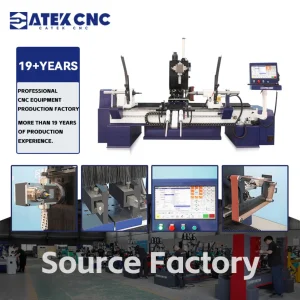
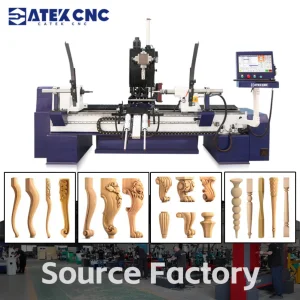
  • Multi-Axis Synchronization: Modern systems (incorporating 5-axis woodworking configurations or multi-spindle metal lathes) coordinate simultaneous cutting, milling, and threading operations. Using C-axis spindle indexing and live tooling, a single bar feeding lathe can produce finished, complex geometries in one continuous operation.
  • Integrated Collet and Chucking Mechanics: Rapid-action pneumatic or hydraulic clamping mechanisms guarantee rigid workpiece security, preventing micro-slippage during intensive axial and radial cutting cuts.
20+ Years of R&D Excellence
10,000㎡ Production Facility
< 0.005mm Machining Precision
100% Automated Quality Control

3. Global Procurement Requirements & E-E-A-T Standard Compliance

Procurement directors and engineering teams evaluating CNC turning solutions must assess the manufacturer's credentials under strict standards of Experience, Expertise, Authoritativeness, and Trustworthiness (E-E-A-T). As an established global provider, Shenzhen Cora CNC Industrial Co., Ltd. (operating from the pearl river delta industrial hub in Shenzhen, China) maintains a 10,000-square-meter facility with over two decades of engineering history (established in 2003).

Our machinery complies with rigid international standards, including CE certifications, ISO 9001 quality management structures, and dynamic testing protocols. Cora CNC utilizes premium components, sourcing controller architectures from Fanuc, Syntec, and LNC, and linear guideways from Hiwin. This guarantees that every machine dispatched to West Africa provides reliable uptime and structural durability under continuous duty cycles.

Industrial Solutions for Equatorial Guinea Operations

Engineered to withstand specific local climatic conditions, power environments, and operational challenges.
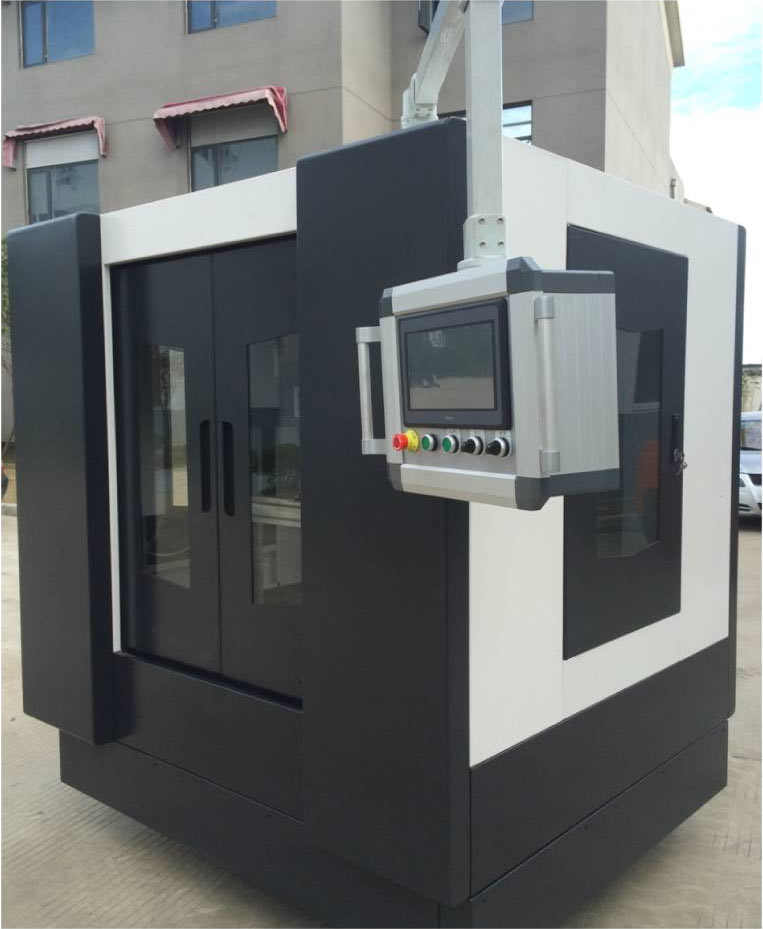
Cora CNC Quality Assurance Facility

Climatic Resilience and Electrical Safeguards

Equatorial Guinea’s tropical maritime climate—characterized by high humidity, elevated ambient temperatures, and saline atmospheric conditions near ports like Malabo and Bata—presents specific challenges to high-precision electronics and metal components. Our exported CNC lathes are built with these conditions in mind:

  • IP65-Rated Control Enclosures: Electrical cabinets are completely sealed and equipped with dedicated industrial air conditioning units to prevent condensation, dust infiltration, and overheating.
  • Anti-Corrosive Coatings: All structural castings, sliding beds, and linear guide systems undergo advanced induction hardening followed by corrosion-resistant surface coatings.
  • Power Regulation Integration: Recognizing potential grid fluctuations in developing industrial zones, we provide optional high-capacity AVR (Automatic Voltage Regulator) systems and surge-suppression modules to safeguard high-precision servo drives and controllers.

Technology Roadmap: The Future of Automation and Industry 4.0

The manufacturing sector is progressing rapidly toward complete digitization. Cora CNC's design ethos centers on transitioning traditional turning centers into fully automated production cells. Our current R&D focuses on integrating artificial intelligence (AI) for predictive maintenance. By analyzing spindle vibration frequencies, thermal expansion profiles, and servo load currents, our machines can identify tool wear and feed-rate anomalies before physical tolerances are compromised.

For companies operating in Equatorial Guinea, this technology minimizes unplanned downtime. Furthermore, cloud-based monitoring portals enable remote diagnostics, allowing our engineering teams in Shenzhen to analyze machine telemetry and optimize parameter settings in real-time, bridging geographical gaps.

Expert Q&A: Bar Feeding CNC Operations

Technical guidance and logistics information for importers, distributors, and manufacturing managers in West Africa.

Q1: What are the main differences between hydrodynamic and pneumatic bar feeders for industrial turning?
Hydrodynamic bar feeders support the rotating stock within a pressurized channel of oil, which creates a centering effect and dampens vibrations at high rotational speeds. This is ideal for precision turning, high RPMs, and longer bars. Pneumatic systems rely on pressurized air to advance the bar. While simpler and more cost-effective, they are generally suited for lower RPM ranges and shorter, lighter stock.
Q2: Can Cora CNC machines process both wood materials and complex metal alloys?
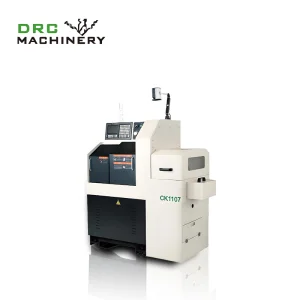
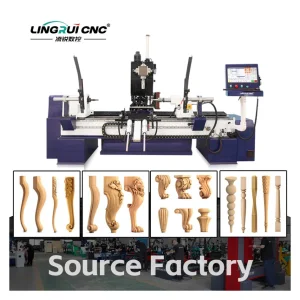
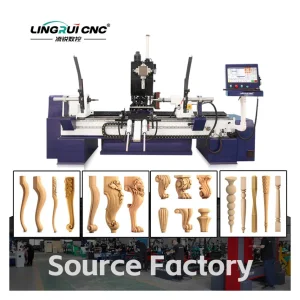
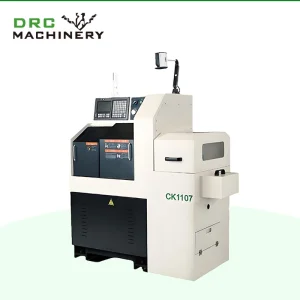
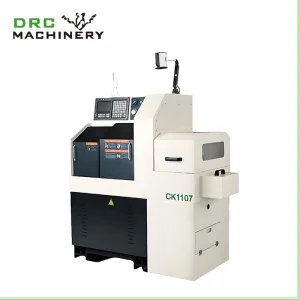
Yes. We manufacture specialized product lines tailored for distinct material classes. Our 5-axis and 7-in-1 wood CNC turning systems are optimized for high-volume furniture production, timber processing, and architectural woodwork. Conversely, our Swiss-type lathes and CK1107 high-speed turning centers are engineered for metals like brass, aluminum, carbon steel, and advanced stainless alloys.
Q3: How does Cora CNC ensure smooth delivery and customs clearance at Malabo or Bata ports?
We handle export documentation, compliance verification, and ocean freight logistics globally. We package all CNC units in heavy-duty, vacuum-sealed, seaworthy wooden crates containing vapor-phase rust inhibitors. Our logistics team works with international carriers to ensure customs clearance documentation aligns with Equatorial Guinea’s import requirements.
Q4: What local or remote after-sales technical support options are available?
We provide structured multi-channel technical support: 1) Online diagnostic assistance with video calls, step-by-step schematics, and PLC code troubleshooting; 2) Comprehensive on-site installation and commission training packages upon request; 3) Rapid dispatch of critical spare parts via international express services.
Q5: Why is a 5-axis layout critical for automatic feeding CNC turning systems?
A 5-axis configuration allows the machine to rotate and mill complex profiles without requiring manual repositioning of the workpiece. When integrated with an automatic bar feeder, it enables continuous, single-setup production of intricate components (such as spiral fluted wooden pillars, customized machinery shafts, or specialized connection fittings), which increases productivity and reduces positioning errors.
Q6: How do these systems adapt to the tropical humidity and salt spray of Central African coastal regions?
We apply chemical anti-humidity varnishes to all control system circuit boards. Linear guides are protected with telescopic bellows, and slide beds are lubricated by automated volumetric lubrication systems. Closed-loop, air-conditioned electrical cabinets isolate sensitive microprocessors and contactors from humid, saline air.

Accelerate Your Production Line Today

Contact Shenzhen Cora CNC Industrial Co., Ltd. for comprehensive technical proposals, customized configurations, and shipping options to Malabo and Bata ports.

Send Inquiry Now