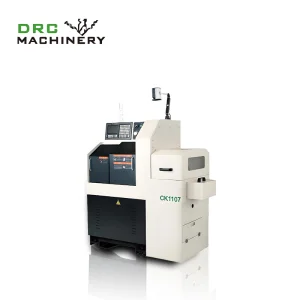
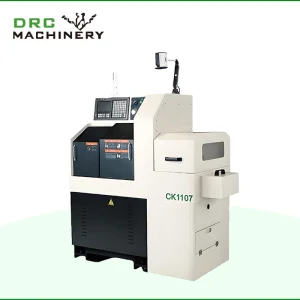
Explore our primary line of automated machinery, engineered to deliver exceptional stability, material conservation, and uninterrupted machining cycles.
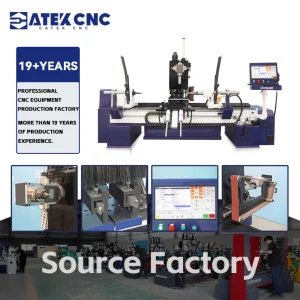
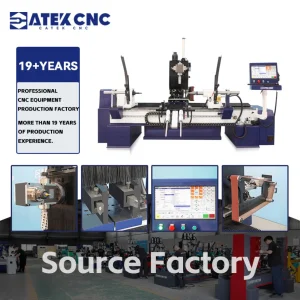
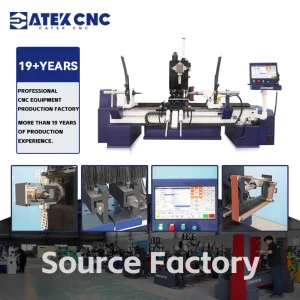
Dominica, often called "The Nature Island of the Caribbean," is witnessing a structural transformation in its local economy. Historically dependent on agriculture and tourism, the nation is actively diversifying into light manufacturing, boutique wood processing, custom eco-resort building components, and marine infrastructure repairs. However, geographical isolation presents two critical challenges: elevated energy costs and a limited supply of highly specialized mechanical engineering labor.
To remain competitive, Dominican enterprises are shifting away from energy-inefficient manual lathes toward automated CNC systems. By integrating a bar feeding CNC turning system, a workshop in Roseau or Portsmouth can operate continuously, minimizing human error and substantially reducing raw material waste. This is particularly vital in Dominica, where importing raw steel or high-density timber incurs substantial shipping overheads. Maximizing material yield directly translates to improved business survival rates and higher profitability margins.
Globally, the manufacturing sector is standardizing automated bar feeding configurations. Whether dealing with Swiss-type precision metal turnings or heavy woodworking, the ability to run "lights-out" shifts ensures that small-to-medium enterprises (SMEs) can compete effectively with large-scale offshore manufacturing hubs.
1. Mitigating High Energy Tariffs: Modern water-cooled spindles draw up to 30% less active current compared to aging manual machines.
2. Addressing Skilled Labor Gaps: An automatic bar loader allows one technician to manage a cell of three to four CNC units simultaneously.
3. Optimizing Import Logistics: Raw material stock (metal rods or wood blanks) can be fed continuously, avoiding scrap parts through precision tool path calculations.
Understanding the technical parameters that differentiate entry-level machinery from industrial-grade, long-lifespan production hubs.
For high-volume production of cylindrical components—ranging from stainless steel marine fittings to mahogany furniture legs—traditional chucking methods introduce extensive downtime. The operator must manually stop the spindle, open the safety doors, dismount the finished part, clamp a new blank, and restart the cycle. This manual cycle is highly inefficient.
An integrated bar feeding system eliminates these manual steps. The raw bar stock is loaded into a dedicated magazine channel. As the CNC lathe completes a machining cycle, the main collet opens, and the bar feeder's pneumatic or hydrodynamic pusher moves the bar forward by a programmed length. The collet clamps shut, and the cutting tools resume operation instantly. This sequence keeps the spindle turning up to 95% of the operational shift.
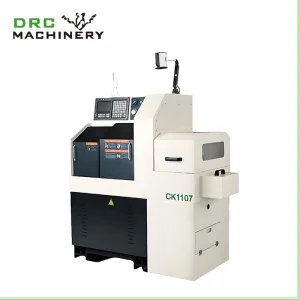
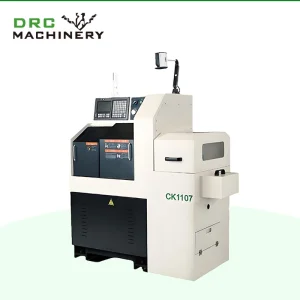
In Swiss-type turning platforms (like the CK1107 series), this mechanism is coupled with a sliding headstock and guide bushing. Because the material is supported right at the point of tool contact, vibration is almost entirely eliminated, allowing for the machining of extremely thin, high-aspect-ratio parts with a dimensional tolerance of ±0.005mm.
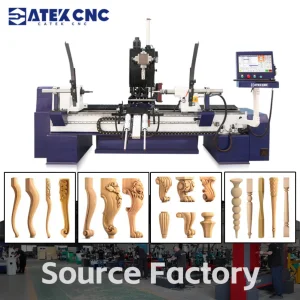
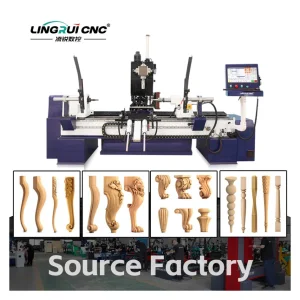
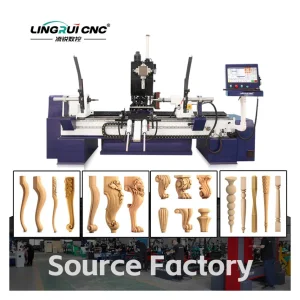
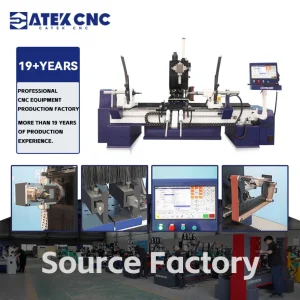
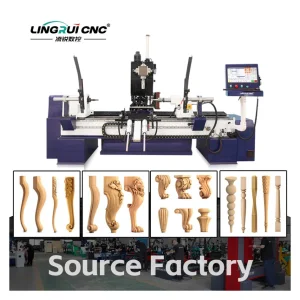
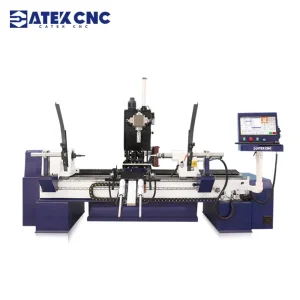
Furthermore, when applied to wood machining (such as the 5-Axis Woodworking Lathes from Shenzhen Cora CNC), automated feeding systems accept pre-cut wood dowels, rapidly feeding, centering, turning, milling, and sanding them in a single sequence. This multi-tasking capacity consolidates what was once a five-machine process into a single workstation.
| Feature Specification | Standard Manual Lathe | Cora Automated CNC Lathe |
|---|---|---|
| Cycle Continuity | Manual stop/start required | Unmanned, automated continuous feed |
| Spindle Downtime | Up to 45% per hour | Less than 5% per hour |
| Operator Capacity | 1 Person per Machine | 1 Person per 3-4 Machines |
| Waste Margin | 5% - 10% (Chucking losses) | <1.5% (Optimized nesting) |
Discover how various sectors in Dominica can achieve significant growth and efficiency gains with localized CNC turning setups.
Dominica’s premier eco-tourism properties demand high-end, customized wooden joinery, structural balusters, and handcrafted furniture components. Utilizing Cora's 5-Axis Woodworking CNC Lathes with automatic feeding allows local mills to turn local hardwoods like Blue Mahoe, teak, and cedar into exquisite, complex pillars and armrests without manual tooling delays.
As a key maritime corridor, local boatbuilders and maintenance centers in Roseau need quick turnarounds on damaged shafts, customized marine brass fittings, and structural fasteners. Swiss-type CNC lathes equipped with auto bar feeders (CK1107 series) ensure rapid, automated production of corrosion-resistant fasteners directly on-site, bypassing long shipping times for imported components.
Processing plants for bay oil, coconut products, and local essential oil distillers depend on proprietary gear shafts and complex fluid valves. When these components fail, production stalls. A versatile 5-axis metal-cutting CNC turning system enables on-demand manufacturing of replacement parts, keeping Dominican processing lines up and running.
Partnering with a specialized Chinese manufacturer like Shenzhen Cora CNC Industrial Co., Ltd. offers a robust combination of value, innovation, and reliability. Located in the Pearl River Delta industrial hub of Shenzhen, Cora operates a 10,000-square-meter facility with cutting-edge production and testing infrastructure.
By keeping design, engineering, software development, and quality control under one roof, we achieve significant cost efficiencies that are passed on to our clients. For Dominican businesses, this means high-spec 5-axis and Swiss-type lathes are accessible at a fraction of the cost of European or North American alternatives, accelerating your return on investment.
Additionally, Cora CNC has integrated advanced Internet of Things (IoT) monitoring into our machines. This allows our engineering team in Shenzhen to provide remote diagnostics, controller updates, and real-time support to clients in Dominica, ensuring minimal downtime even without on-site service technicians.
Our facility in Shenzhen is optimized for the production of advanced numerical control systems and automated bar-feeding equipment.
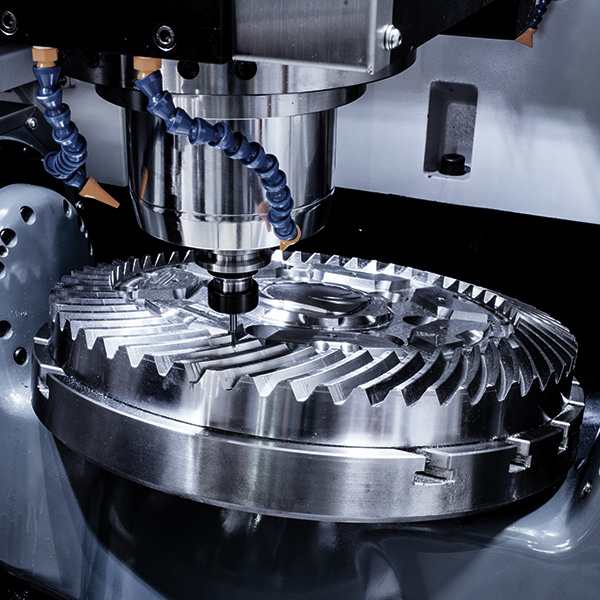
Precision assembly floor utilizing world-class testing and alignment gear.
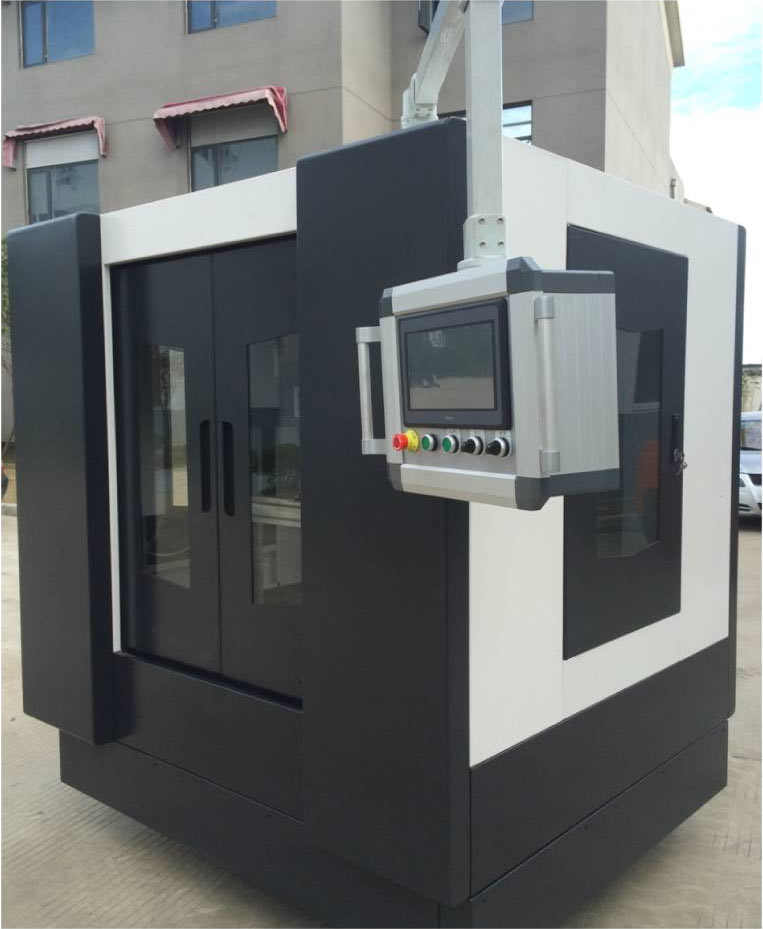
Comprehensive final inspections ensure compliance with rigorous global export standards.
Select from our comprehensive list of multi-axis wood lathes, Swiss-type precision turners, and high-efficiency bar-loaded spindles.
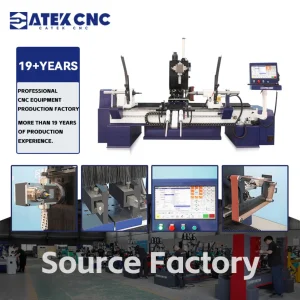
Streamlining customs, ocean shipping, installation support, and operational maintenance for Caribbean manufacturing setups.
Orders are dispatched from the Port of Shenzhen via premium ocean freight carriers, shipping to the Port of Roseau in Dominica. All machinery is sealed in anti-corrosive vacuum packaging and secured in heavy-duty wooden crates to protect the control panels and spindles from the salty sea air.
Before dispatching your order, Cora's electrical engineering team configures the CNC systems to match Dominica's local grid standards. We ensure compatibility with 230V single-phase or 400V three-phase systems at 50Hz, integrating voltage regulators to protect the controllers from local grid fluctuations.
Each CNC turning center comes with comprehensive digital setup manuals and pre-configured toolpaths. We provide step-by-step remote commissioning support via video link. Additionally, on-site technician visits can be arranged for larger facility setups across Dominica.
Direct, technical answers regarding system capability, Caribbean compatibility, and performance optimization.
Whether you need to upgrade your woodwork shop with a 5-axis automated lathe or source a Swiss-type CK1107 metal turning center for marine and engineering parts in Dominica, Shenzhen Cora CNC has a solution tailored to your operational needs.
Send Inquiry Now Cora CNC