In the heart of Northern Europe, Denmark has long been a beacon of industrial innovation. As global markets transition toward mass customization and shorter product lifecycles, Danish manufacturers are increasingly adopting Flexible CNC Manufacturing Cells (FMC). These systems represent the pinnacle of modern engineering, combining the precision of computer numerical control with the adaptability of robotic integration. For a country known for its high labor costs and exceptional quality standards, the transition to unmanned, intelligent production is not just a trend—it is a competitive necessity.
The industrial landscape in cities like Copenhagen, Aarhus, and Odense—the latter being a global hub for collaborative robots—is rapidly evolving. Small and Medium Enterprises (SMEs) in Jutland are utilizing flexible manufacturing to produce complex components for Vestas and Maersk. By integrating a Flexible Manufacturing Cell (FMC), these suppliers can switch between different part types with zero downtime, allowing them to serve diverse clients without the need for massive inventory stocks.
Furthermore, Denmark's commitment to the "Green Transition" (Grøn omstilling) means that manufacturing cells must be energy-efficient. Modern CNC cells offered by top suppliers now include energy-monitoring software and regenerative braking systems in their servo drives, matching the stringent environmental regulations found in the Danish market.
The convergence of Artificial Intelligence (AI) and CNC machining is the biggest shift we are seeing in the Danish market today. Suppliers of Flexible CNC Manufacturing Cells in Denmark are no longer just selling machines; they are providing "Smart Ecosystems."
1. Wind Energy Sector: Denmark is a world leader in wind energy. Flexible CNC cells are used to machine high-precision components for gearboxes and blade pitch systems. The ability to handle large, heavy workpieces with robotic loading systems ensures that production keeps pace with the global demand for clean energy.
2. Medical Device Manufacturing: In the MedTech corridor of Zealand, CNC cells produce micro-components for hearing aids and surgical instruments. The "unmanned" aspect of our 5-axis cells ensures a sterile, consistent production environment with tolerances measured in microns.
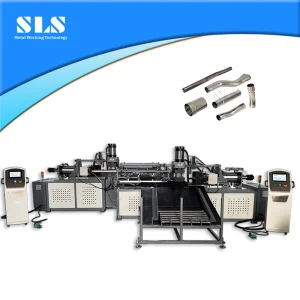
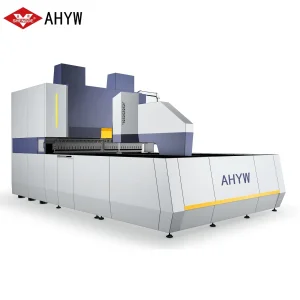
3. Furniture & Design: Danish design is world-renowned. Modular tube forming cells and CNC bending centers allow designers to prototype and mass-produce avant-garde furniture designs that would be impossible with traditional manual labor.
Shenzhen Cora CNC Industrial Co., Ltd. is located in the commercial center of the Pearl River Delta—Shenzhen City. The company covers an area of nearly 10,000 square meters. Founded in 2003, we specialize in creating unmanned, intelligent production equipment. As a manufacturer of numerical control equipment and automation equipment, we integrate R&D, design, production, sales, and after-sales service into a seamless experience for our international clients.
Our products are exported globally, reaching European countries, Brazil, Spain, Singapore, Mexico, Egypt, Kazakhstan, Mongolia, Pakistan, and throughout Southeast Asia. We are particularly proud of our burgeoning partnerships within Denmark, providing the technology that fuels Danish "Industry 4.0" initiatives. Customer satisfaction is the driving force for our progress and self-improvement. Our goal is to become your premier promoter of intelligent manufacturing!
A true Flexible CNC Manufacturing Cell in the Danish industrial context is defined by its ability to process a variety of parts without manual intervention. This is achieved through the integration of several core components:
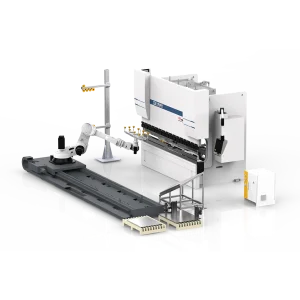
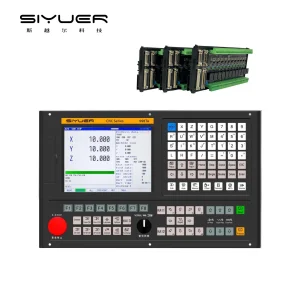
First, the CNC Controller with Robot Interface acts as the brain. Our controllers allow for seamless communication between the machining center and the industrial robot, ensuring that loading and unloading cycles are optimized for speed and safety. For Danish companies focusing on "Lights Out" manufacturing, this interface is critical for overnight, unmanned production.
Second, the use of Pallet Systems. As seen in our Customizable CNC Pallet System, these allow for workpieces to be set up offline. A robot can then swap pallets in and out of the CNC machine in seconds, increasing spindle utilization rates from the typical 60% in manual shops to over 90% in automated cells.
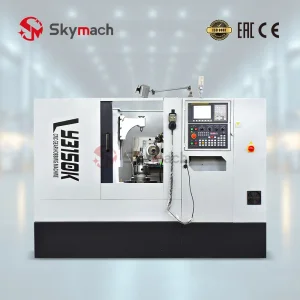
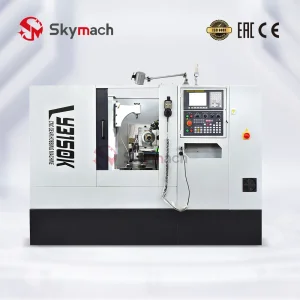
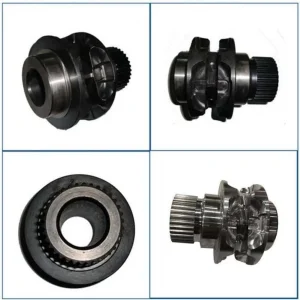
Third, the specialization of machines like the Y3150K Gear Hobbing Cell. In the context of Danish robotics and maritime machinery, high-precision gears are fundamental. Automating the hobbing process with robotic loading systems ensures that every gear produced meets ISO quality standards while reducing the unit cost through automation.
The trend towards "Reshoring"—bringing manufacturing back to Europe from lower-cost regions—is gaining momentum in Denmark. To make reshoring economically viable, Danish factories must use the most advanced Flexible CNC Manufacturing Cells available. By reducing the reliance on manual labor for repetitive tasks, companies can focus their highly skilled Danish workforce on design, innovation, and complex problem-solving.
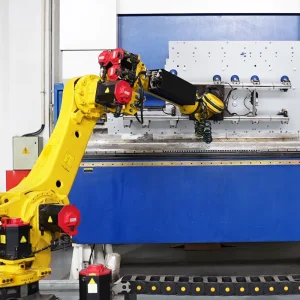
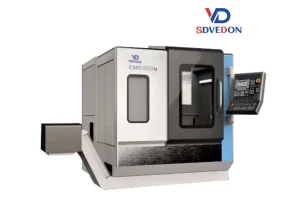
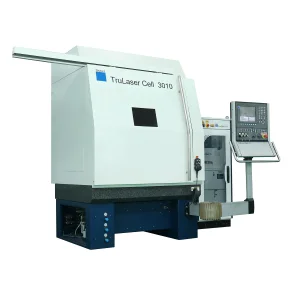
Whether you are in Jutland, Funen, or Zealand, our team at Shenzhen Cora CNC Industrial is ready to help you implement the next generation of manufacturing technology. From 5-axis milling to automated sheet metal bending and laser cutting, our solutions are designed to integrate perfectly into the Danish industrial ecosystem.
 Cora CNC