The global industry is moving toward "lights-out" manufacturing. This involves the integration of robotic arms, automatic pallet changers, and AI-driven monitoring systems. Multi-tasking centers are the heart of this movement because they reduce the number of setups required for a part, thereby minimizing human error and cumulative tolerances.
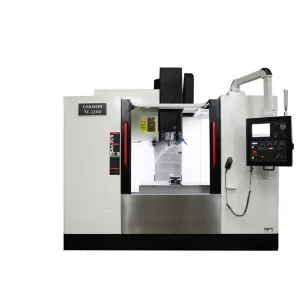
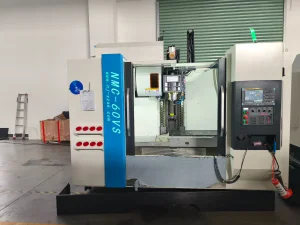
Discover more about our Precision - Oriented Nmc - 60vs Machining Center, designed specifically for miniature parts and micro-machining, offering unmatched stability for intricate electronic and medical components.
Localized in hubs like Seattle, Toulouse, or Shenzhen, companies require multi-axis capabilities to machine complex turbine blades and structural components from titanium and super-alloys.
Precision is non-negotiable. Our machines are used globally to produce surgical instruments and implants where tolerances are measured in microns.
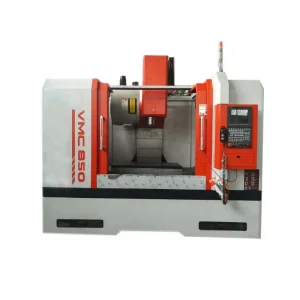
From manifold valve blocks to specialized oil-rig components, high-rigidity machines like our VMC series are essential for heavy-duty metal removal.
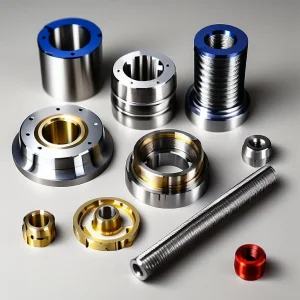
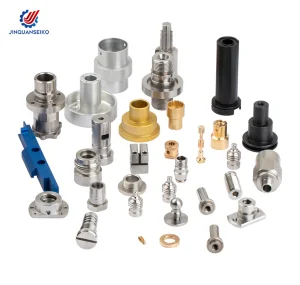
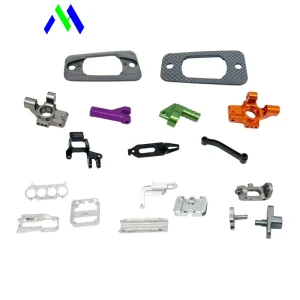
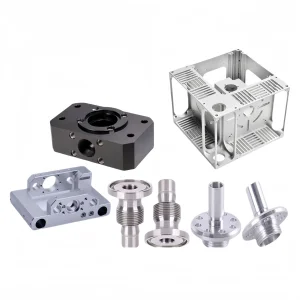
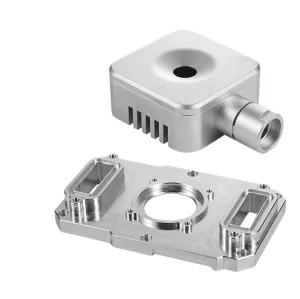
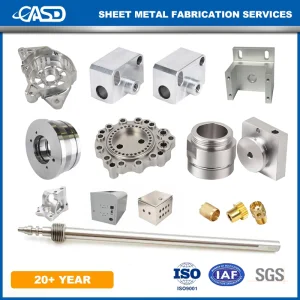
Beyond providing the machinery, Shenzhen Cora CNC specializes in high-precision component exports. Our Custom OEM 5-Axis Aluminum Stainless Steel Spare Machine Machining Parts are utilized globally in the motorcycle, automotive, and bicycle industries, showcasing our ability to meet the most stringent international standards.
Shenzhen Cora CNC Industrial Co., Ltd. is not just a manufacturer; we are your strategic partner in the Pearl River Delta, the world’s most advanced electronics and machining hub. Founded in 2003, our 10,000-square-meter facility is dedicated to the R&D of unmanned and intelligent production equipment.
Precision - Oriented Nmc - 60vs Machining Center for Micro - Machining and Miniature Part Production
Precision - Oriented Nmc - 60vs Machining Center for Micro - Machining and Miniature Part Production
The Global Industry for Multi-tasking CNC Machining Centers: As the backbone of modern industry, Multi-tasking CNC (Computer Numerical Control) Machining Centers represent the pinnacle of subtractive manufacturing technology. Globally, the market is expanding as manufacturers face increasing pressure to lower production costs while improving the quality of highly complex parts. In the US and Europe, the reshoring movement is driving companies to invest in high-automation CNC equipment to compete with lower labor costs elsewhere. This has created a massive demand for machines that can handle multiple processes—milling, turning, boring, and threading—without human intervention.
Technological Trends and Innovations: The integration of Artificial Intelligence (AI) and the Internet of Things (IoT) into CNC controllers is the most significant trend of this decade. Modern machining centers now feature "Digital Twin" technology, allowing engineers to simulate the entire machining process in a virtual environment before a single chip is cut. This eliminates the risk of machine collisions and optimizes tool paths for the fastest possible cycle times. Furthermore, the use of linear motor technology and ceramic bearings is pushing spindle speeds and acceleration rates to new heights, enabling the machining of ultra-tough materials like Inconel and specialized composites.
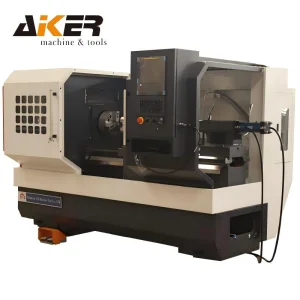
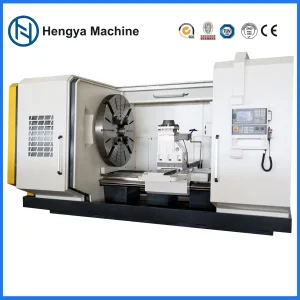
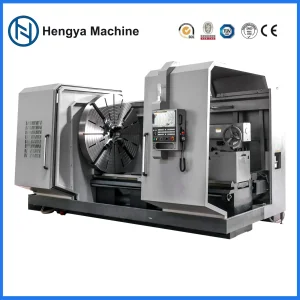
Meeting Global Procurement Challenges: Procurement managers today are looking for more than just a machine; they are looking for "Total Solutions." This includes localized technical support, spare parts availability, and custom tooling packages. At Shenzhen Cora CNC, we address these needs by offering modular designs that can be tailored to specific industrial requirements. Whether it's a small-scale medical shop in Singapore needing a high-precision miniature machining center or a heavy industrial plant in Pakistan requiring a robust horizontal lathe for metal processing, our production line is versatile enough to meet these diverse specifications.
The Role of Industry 4.0: Industry 4.0 is about connectivity and data. Our latest range of multi-tasking centers comes equipped with sensors that monitor vibration, temperature, and power consumption in real-time. This data is fed back into a central system to predict when a tool might fail or when maintenance is required, a process known as "Predictive Maintenance." This proactive approach drastically reduces unplanned downtime, which is the most expensive factor in any manufacturing operation.
Sustainability in CNC Machining: Modern procurement also prioritizes sustainability. Newer machining centers are designed to use less coolant through "Minimum Quantity Lubrication" (MQL) systems and consume less energy via regenerative braking on spindles and energy-efficient servos. As a China-based manufacturer, we are leading this transition by adhering to strict environmental standards, ensuring our machines help global clients meet their ESG (Environmental, Social, and Governance) targets.
 Cora CNC