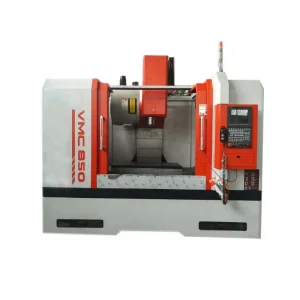
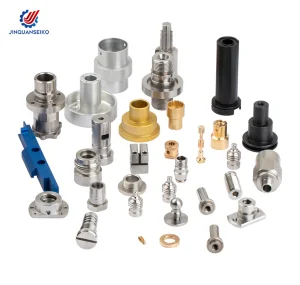
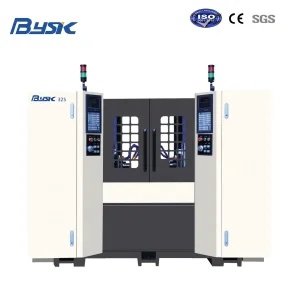
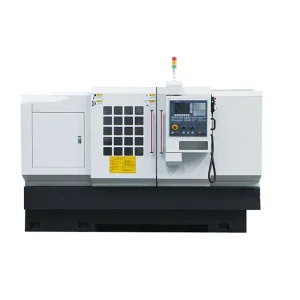
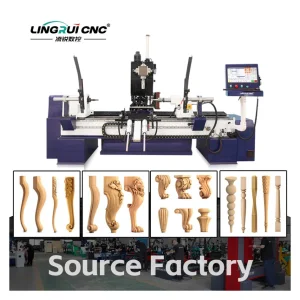
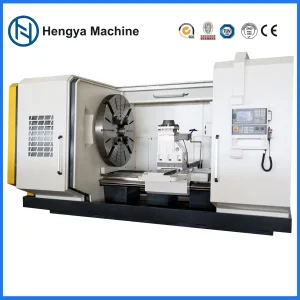
The global manufacturing landscape is undergoing a radical transformation, fueled by the demand for higher precision, shorter lead times, and the capability to produce complex geometries. Multi-axis CNC (Computer Numerical Control) turning systems have emerged as the vanguard of this "Industry 4.0" revolution. Unlike traditional 2-axis lathes that are restricted to basic cylindrical shapes, modern multi-axis systems—ranging from 3-axis to 11-axis configurations—allow for simultaneous milling, drilling, and turning operations in a single setup.
Currently, the global market for multi-axis CNC machines is projected to grow at a CAGR of over 5.5% through 2030. Industrial powerhouses in Europe, North America, and East Asia are shifting toward "Done-in-One" machining philosophies. This shift is particularly evident in the aerospace, medical device, and high-end automotive sectors, where components like turbine blades, orthopedic implants, and intricate engine parts require the fluid movement of multi-axis control to achieve micron-level tolerances.
Increasing integration of AI and IoT in Western and Asian manufacturing hubs is driving the demand for smart multi-axis turning systems.
Reducing multi-setup processes to a single operation significantly lowers the risk of human error and increases throughput by up to 40%.
Modern systems are designed to pair with robotic arms and automatic bar feeders, enabling "lights-out" manufacturing cycles.
As global industries strive for perfection, the 5-axis CNC turning system has become the gold standard. These machines provide the ability to rotate the workpiece or the tool along multiple axes simultaneously. This is not just about complexity; it's about surface finish and tool life. By maintaining the optimal angle of attack, 5-axis systems reduce tool wear and eliminate the need for manual finishing. For international buyers, investing in a 5-axis system from a top-tier Chinese exporter means acquiring European-level precision at a fraction of the capital expenditure.
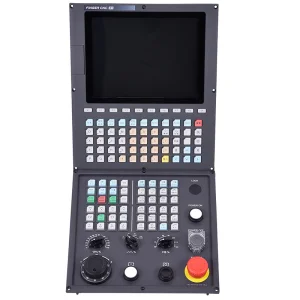
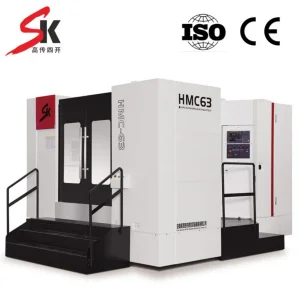
Our horizontal machining centers are equipped with world-class control systems like Fanuc and Siemens, ensuring that your local workforce can transition seamlessly to our technology. Whether it is metal cutting or heavy-duty industrial turning, these systems are built for 24/7 durability.
Procurement officers today are looking beyond the price tag. The total cost of ownership (TCO) is now the primary metric. We see a massive trend toward Swiss-type turning for micro-parts and Multi-spindle lathes for high-volume automotive production. The integration of "Digital Twins"—where the machine's operation is simulated in a virtual environment before a single chip is cut—is becoming standard practice to prevent expensive collisions in multi-axis environments.
Furthermore, there is a localized demand for specialized materials. In regions like the Middle East and Southeast Asia, our clients are increasingly requesting systems capable of handling high-grade stainless steel and titanium for oil and gas components. Meanwhile, European markets are prioritizing energy-efficient motors and eco-friendly coolant recycling systems within their CNC units.
 Cora CNC