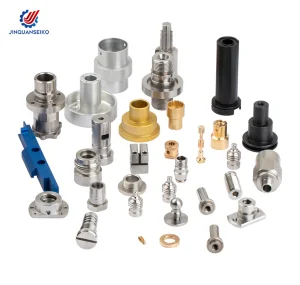
 High Precision ODM CNC Accessory Lathe Turned Turning Part Iron Brass Copper Titanium Iron Plastic Machine Prototype Customized Parts for Medical
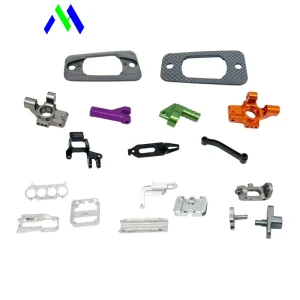 OEM Customized Development CNC Machining and Manufacturing Automated Machining Precision Stainless Steel CNC Machining Center
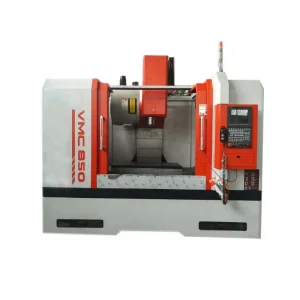 High Rigidity Robust Vmc850/Vmc855/Vmc1060/Vmc1160 CNC Milling Machine an Efficient High-Speed Vertical with 3 Axis/4 Axis CNC Machine Machining Center
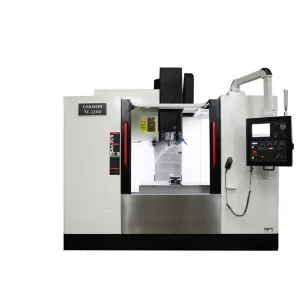 High Speed Machining Center Vmc1160 3 Axis CNC Vertical Machining Center for Metal
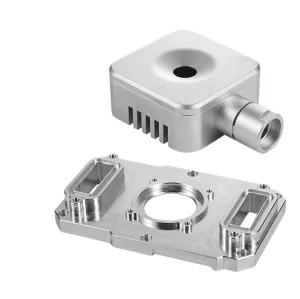 CNC Machining Center Made Manifold Valve Block for Hydraulic System
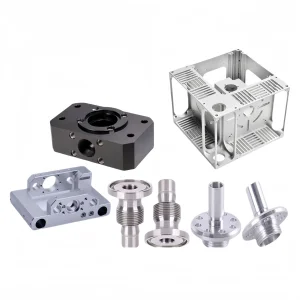 Customized High Precision Prototype Aluminum Alloy/Stainless Steel Iron Metal Copper/Titamium CNC Machining Turning Milling Machine Machinery Part
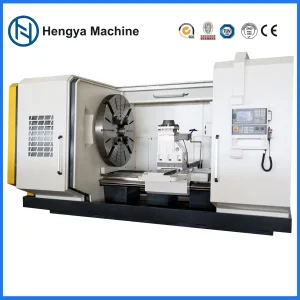 Ck61100b High Precision CNC Lathe for Metal Processing Ck61100 Horizontal Flat Bed CNC Lathe Heavy Duty CNC Lathe Machine Turning Machine
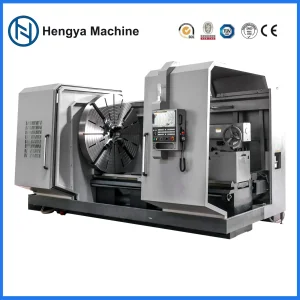 Ck61160 High Precision CNC Lathe for Metal Processing Ck61160 Horizontal Flat Bed CNC Lathe Heavy Duty CNC Lathe-Machines Turning Machine
The global transition from Internal Combustion Engines (ICE) to Electric Vehicles (EV) has sparked a revolution in precision manufacturing. EV components require significantly higher precision, lighter weight, and better thermal management than traditional auto parts. Today, CNC machining stands at the core of this industrial shift, providing the necessary accuracy for complex parts like motor housings, battery trays, and inverter enclosures.
In the global EV market, tier-1 suppliers and OEMs are seeking partners who can handle multi-axis machining for lightweight alloys. As battery density increases, the structural integrity of the housing becomes critical. China, as a global manufacturing hub, has emerged as the leading destination for sourcing high-quality, cost-effective EV components.
Industrial Trend: The industry is moving toward "Integrated Die Casting + CNC Finishing," which allows for fewer parts and higher structural strength. This requires suppliers to possess advanced VMC (Vertical Machining Center) capabilities to ensure tolerances within microns.
China is not just the world’s largest EV market; it is also the most comprehensive supply chain ecosystem. Finding the "Best EV Component CNC Machining Supplier" in China means accessing a network that offers rapid prototyping, massive scalability, and unmatched cost-efficiency.
⭐ High-Efficiency Ecosystem: From raw material sourcing (aluminum, titanium, specialized polymers) to surface treatment (anodizing, heat treatment), the entire lifecycle is condensed into specialized industrial zones like Shenzhen.
⭐ Advanced Technology Integration: Chinese factories like Shenzhen Cora CNC are leading the "Industry 4.0" wave, utilizing AI-driven tool path optimization and 24/7 unmanned intelligent production.
⭐ Global Logistics Reach: With mature export experience to Europe, North America, and Southeast Asia, Chinese suppliers ensure that high-precision parts reach global assembly lines with minimal lead times.
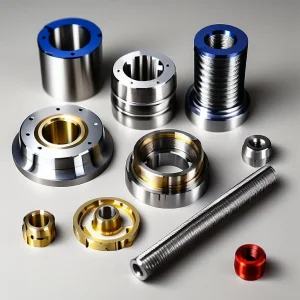
EV components often utilize Titanium and Copper for electrical conductivity and strength. Our facility specializes in multi-axis turning and milling for these challenging materials. Whether it's for bike, motorcycle, or high-end automotive applications, our CNC solutions meet the stringent ISO standards required by international buyers.
Shenzhen Cora CNC Industrial Co., Ltd. is located in the commercial center of the pearl river delta—Shenzhen City. The company covers an area of nearly 10,000 square meters. Founded in 2003, we are specialized in creating unmanned, intelligent production equipment. As a leading manufacturer, we integrate R&D, design, production, sales, and after-sales service.
Our products are exported globally, reaching partners in European countries, Brazil, Spain, Singapore, Mexico, Egypt, Kazakhstan, Mongolia, Pakistan, and across Southeast Asia. We rely on precision processing equipment and top-tier detection tools to maintain a perfect quality assurance system.
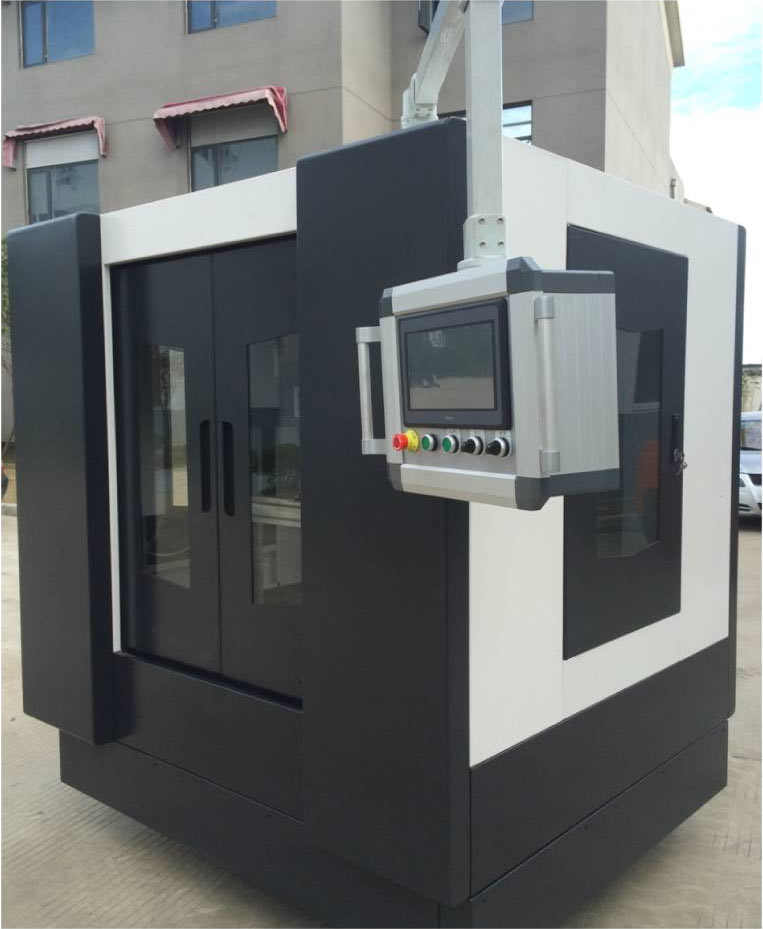
Customer satisfaction is the driving force for our progress. Our goal is to become your promoter of “Industry 4.0”!
To extend battery range, EV manufacturers are obsessed with reducing weight. This has led to the extensive use of aluminum 6061/7075 and carbon fiber composites. CNC machining is the only way to achieve the thin-wall structures required for these components while maintaining strength.
Batteries and motors generate significant heat. Precision-machined liquid cooling plates and manifolds are essential. Our CNC machining centers, such as the VMC1160, are designed to create complex internal channels with zero leakage risk.
The electrical architecture of EVs operates at high voltages. This requires copper and brass components with incredibly smooth surface finishes to prevent electrical arcing and ensure long-term reliability.
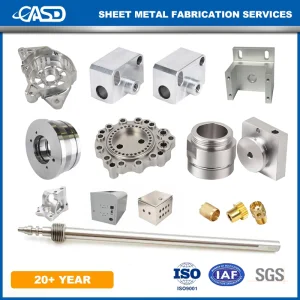 OEM Customized High Precision Sheet Metal Fabrication CNC Machining Parts Services Machine Stainless Steel Metal Shafts Turning Milling CNC Machining
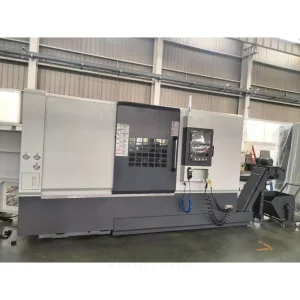 Tc56L High Accuracy Slant Bed Turning Center Compact Industrial CNC Lathe Machine for Precision Metal Machining
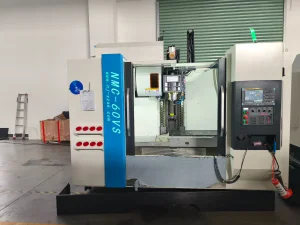 Precision - Oriented Nmc - 60vs Machining Center for Micro - Machining and Miniature Part ProductionPrecision - Oriented Nmc - 60vs Machining Center for Micro - Machining and Miniature Part ProductionPrecision - Oriented Nmc - 60vs Machining Center for Micro - Machining and Miniature Part ProductionCustom OEM 5-Axis Aluminum Stainless Steel Copper Titanium Metal Machinery High Precision CNC Turning Spare Machine Machining Parts for Bike Motorcycle Auto
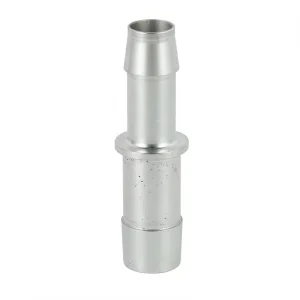 Durable CNC Stainless Turning Parts Small Part High Precision CNC Lathe MachineCNC Machining Center Made Manifold Valve Block for Hydraulic System
 Cora CNC