The manufacturing world is currently undergoing a paradigm shift. Hybrid CNC machining systems, which combine the precision of subtractive manufacturing (CNC milling and turning) with the additive capabilities of 3D printing, are becoming the backbone of modern industrial production. Globally, industries such as aerospace, medical device manufacturing, and high-end automotive engineering are moving away from traditional single-method production to integrated hybrid workflows.
In Europe and North America, the demand for complex parts with internal geometries that are impossible to mill but require the surface finish of a lathe has skyrocketed. This is where Hybrid CNC Machining Systems step in. By integrating multiple processes into a single setup, global enterprises are reducing lead times by up to 40% and minimizing material waste, a critical factor in today's sustainability-focused economy.
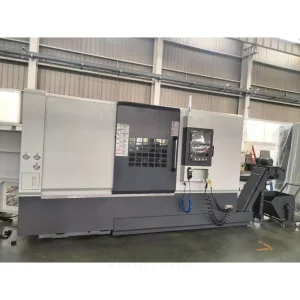
Combining additive and subtractive processes for unmatched part complexity and speed.
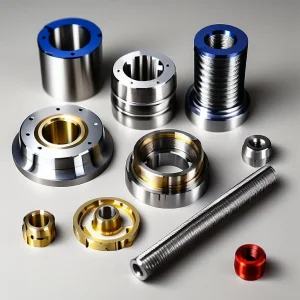
Achieving tolerances within ±0.005mm for high-end medical and aerospace applications.
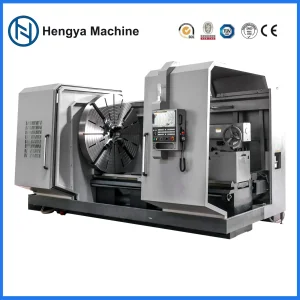
Seamless supply chain management and export services to over 50 countries worldwide.
As we head into the next decade, the CNC industry is being redefined by AI integration and unmanned production. The rise of the "Smart Factory" or Industry 4.0 means that machining systems are no longer just tools; they are data-driven nodes in a larger ecosystem. Intelligent sensors now monitor tool wear in real-time, predicting failures before they happen, while AI algorithms optimize tool paths for maximum efficiency.
The transition from 3-axis to 5-axis and even 7-axis hybrid systems is accelerating. This allows for the production of incredibly intricate components—such as turbine blades and custom bone implants—in a single operation, eliminating the errors introduced by manual repositioning.
Hybrid systems are now capable of handling exotic materials like Titanium, Inconel, and high-performance carbon-fiber composites. This versatility is essential for the next generation of electric vehicles (EVs) and commercial space exploration components.
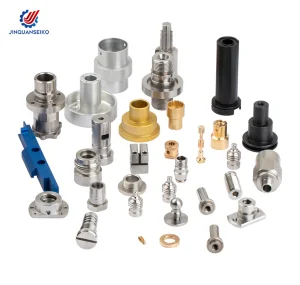
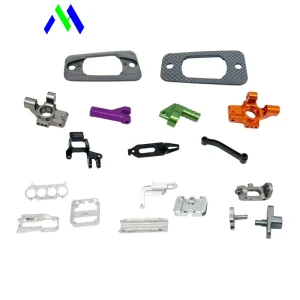
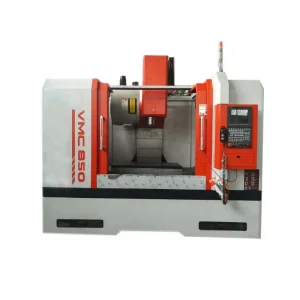
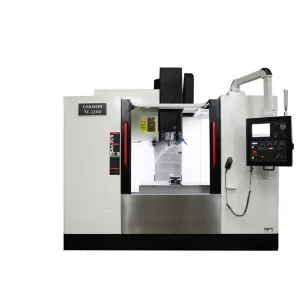
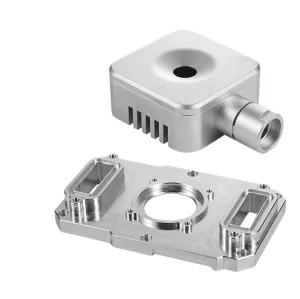
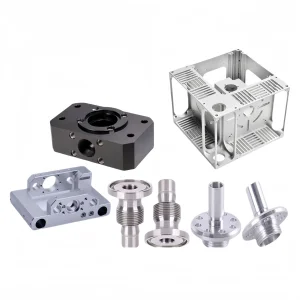
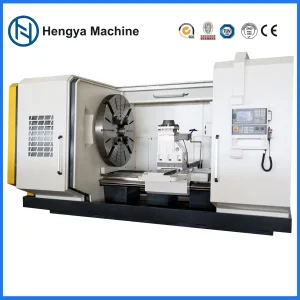
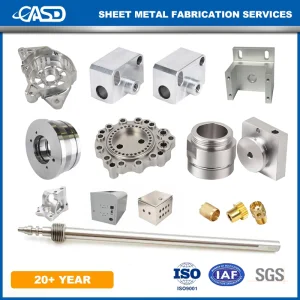
Check out our high-precision solution:
Procurement managers from Germany, the USA, and Singapore are increasingly looking for OEM/ODM CNC partners in China who can offer more than just low costs. They need technical consultation, rapid prototyping, and scalable mass production. Shenzhen Cora CNC Industrial Co., Ltd. fills this gap by providing a bridge between advanced Western design requirements and efficient Chinese manufacturing capabilities.
At Shenzhen Cora CNC, we understand that every market has unique standards. Whether it's meeting the stringent ISO standards for European clients or the rapid turnaround required by Asian tech hubs, our OEM/ODM services are designed to be flexible. We provide comprehensive documentation, material certifications, and rigorous testing reports for every batch.
Located in the heart of the Pearl River Delta—Shenzhen, the global center for hardware innovation—Shenzhen Cora CNC Industrial Co., Ltd. has been a pioneer since 2003. Spanning nearly 10,000 square meters, our facility is more than just a factory; it is an R&D powerhouse dedicated to the future of unmanned and intelligent production equipment.
Our team specializes in integrating R&D, design, and production. We don't just follow blueprints; we help you optimize them for manufacturability (DFM).
With satisfied partners in Brazil, Mexico, Egypt, Pakistan, and throughout Southeast Asia, we have mastered the logistics of international shipping and after-sales support.
Equipped with top-tier domestic and international detection equipment, we ensure that every micron is accounted for, upholding a perfect quality assurance system.
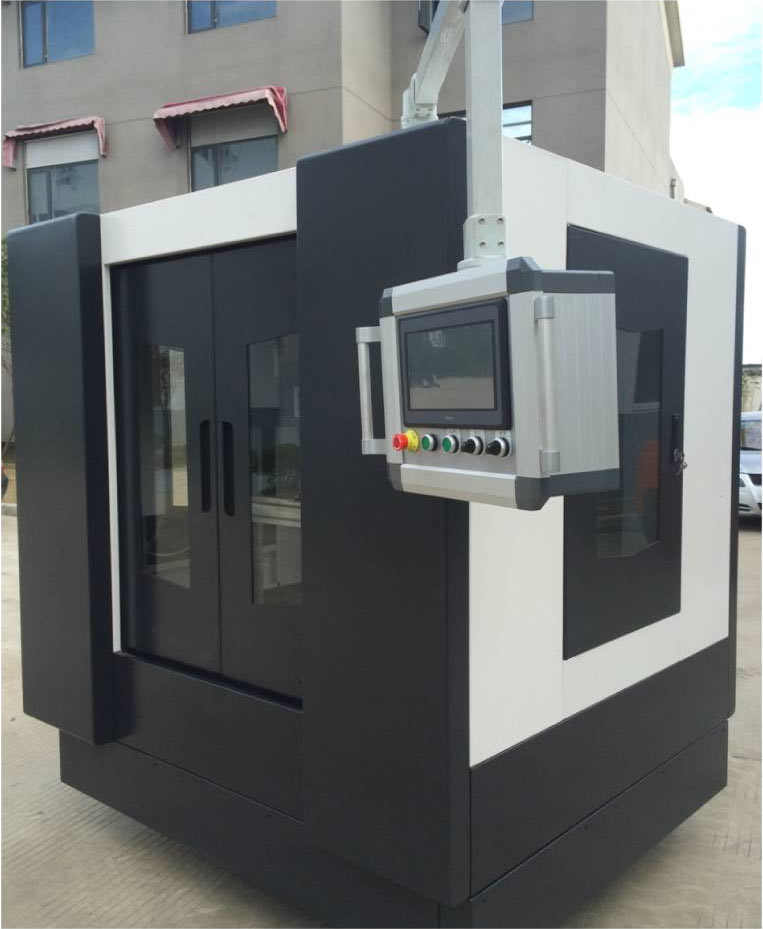
"Customer satisfaction is the driving force for our progress. Our goal is to become your promoter of Industry 4.0!"
Hybrid CNC machining systems represent the convergence of Directed Energy Deposition (DED) and traditional high-speed milling. This synergy allows manufacturers to build a "near-net shape" part through additive methods and immediately switch to a milling tool to achieve the final tolerance and surface finish. This eliminates the need for part transfer between machines, which often introduces alignment errors.
For OEM/ODM clients, this technology is a game-changer for repair and cladding. Instead of replacing a worn-out expensive mold or turbine component, hybrid systems can "print" new material onto the damaged area and then machine it back to its original specifications. This extends the lifecycle of industrial equipment and significantly reduces the total cost of ownership for our global clients.
Moreover, our systems are designed with user-friendly interfaces compatible with leading CAD/CAM software like Mastercam, Siemens NX, and Autodesk Fusion 360. This ensures that our international customers can easily integrate our machines into their existing digital workflows without a steep learning curve.
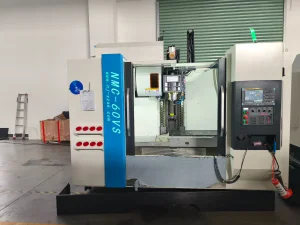
As a leading exporter, Cora CNC ensures that all electronic components meet international safety certifications (CE, UL). Our heavy-duty horizontal and vertical machining centers are built with high-rigidity frames to absorb vibrations, ensuring stability even during high-speed operations. This attention to structural integrity is why our VMC series is highly sought after in the heavy machinery and energy sectors across South America and Central Asia.
 Cora CNC