In the modern manufacturing era, High Precision Surface Grinding Systems have evolved from basic finishing tools into sophisticated, AI-driven hubs of production. Globally, the industry is witnessing a seismic shift towards sub-micron accuracy, driven by the demands of the semiconductor, aerospace, and medical device sectors. Whether it is a workshop in Germany or a massive assembly line in China, the need for custom, high-precision surfaces is at an all-time high.
As of 2024, the global market for precision grinding equipment is expanding at a CAGR of 5.8%. Key drivers include the miniaturization of electronic components and the transition to electric vehicles (EVs), where ultra-precise finishes on engine and battery components are critical for efficiency and noise reduction.
The surface grinding industry is no longer just about removing material; it's about intelligent material management. We see three major trends dominating the global market:
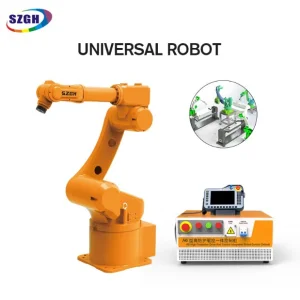
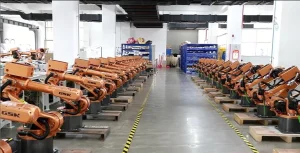
Automation is no longer a luxury—it is a necessity. Robotic arms are now seamlessly integrated with surface grinding systems to handle loading, unloading, and real-time quality inspection. This reduces human error and allows for 24/7 unmanned production.
Our Szgh-P1950-B-6 Automation Industrial Robotic Grinding System is a prime example of this trend, offering unparalleled consistency in high-volume production environments.
View Robotic Grinding Solutions →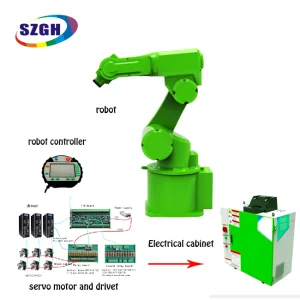
Modern machines utilize sensors to detect thermal expansion and wheel wear, automatically compensating in the CNC program to maintain tolerances within 0.001mm. This IoT connectivity allows managers to monitor machine health from anywhere in the world.
New systems are focusing on reducing coolant consumption and optimizing energy use. High-efficiency motors and filtration systems are now standard in high-end factory configurations.
Procurement officers in the US, Europe, and Southeast Asia are shifting their focus from "lowest price" to "lowest total cost of ownership." This includes the reliability of the system, the availability of spare parts, and the ease of software integration.
In regions like North America and France, surface grinding is used for turbine blades and aerospace fasteners where zero-failure rates are mandatory.
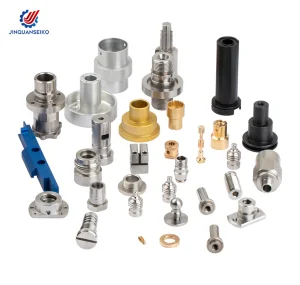
Precision is life. Surgical instruments and orthopedic implants require the ultra-smooth finishes that only high-end CNC grinding systems can provide.
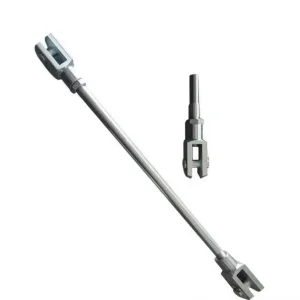
From transmission parts in Germany to clutch connectors in Japan, grinding systems ensure the longevity and performance of critical drive components.
Shenzhen Cora CNC Industrial Co., Ltd. is located in the commercial center of the Pearl River Delta—Shenzhen City. The company covers an area of nearly 10,000 square meters. Founded in 2003, we specialize in creating unmanned, intelligent production equipment for the direction of the future. We are a premier manufacturer of numerical control equipment and automation equipment integrating R&D, design, production, sales, and after-sales service.
Our commitment to excellence has allowed us to expand our footprint globally. Our products are exported to overseas, and the countries we have reached cooperation with mainly include: European countries, Brazil, Spain, Singapore, Mexico, Egypt, Kazakhstan, Mongolia, Pakistan and other Southeast Asian countries.
Customer satisfaction is the driving force for our progress and self-improvement. Our goal is to become your promoter of “Industry 4.0”!
Of expertise in CNC & Automation Manufacturing
State-of-the-art production facility in Shenzhen
Exporting to 30+ countries across 5 continents
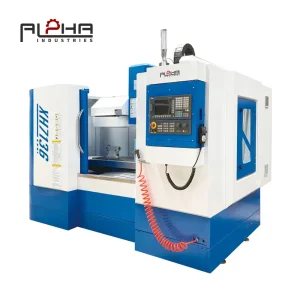
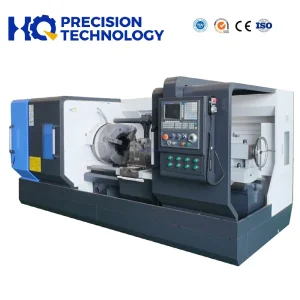
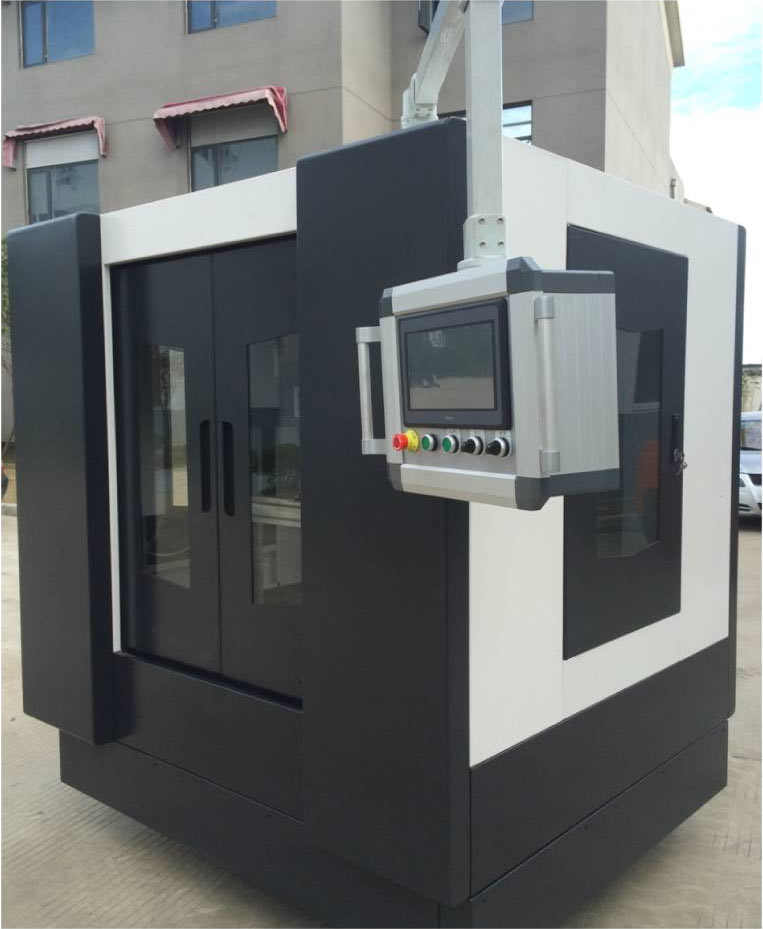
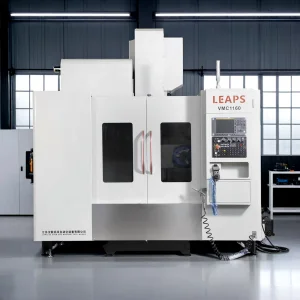
Our machines, like the Vmc CNC Vertical Machine Center Lathe, utilize heavy-duty structures to dampen vibrations, ensuring a mirror-like finish even during aggressive material removal.
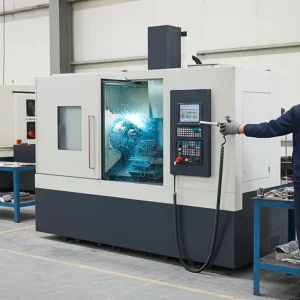
Equipped with the latest Fanuc or Siemens controllers, our systems support complex grinding cycles and provide intuitive interfaces for operators, reducing setup times by 40%.
We provide custom electromagnetic or vacuum chucks tailored to your specific workpiece geometry, ensuring maximum stability and precision.
With integrated cooling systems, our grinding heads maintain a constant temperature, preventing the "drift" that often affects precision during long production runs.
 Cora CNC