What Trends Are Shaping The Future Of CNC Machining in 2026?

Time:2026-06-27 Author:Mason
0%

The future of CNC machining is a dynamic landscape. As technology evolves, so do the practices within the industry. Many ask, "what trends are shaping the future of cnc machining?" This question is crucial for businesses and professionals alike. Companies must adapt to remain competitive in a rapidly changing market.

Recent advancements highlight the importance of automation and artificial intelligence. Integrating these technologies streamlines processes. However, this shift raises challenges in workforce development and skill adaptation. Not all companies can keep pace, creating disparities in the industry.

Sustainability has also emerged as a key focus. Many manufacturers are looking for ways to reduce waste and energy consumption. This presents an opportunity for innovation, but it requires investment and commitment. The balance between cost-effectiveness and eco-friendliness remains delicate. Understanding these trends is vital for strategic planning in the coming years. These factors collectively influence the trajectory of CNC machining and require careful consideration.
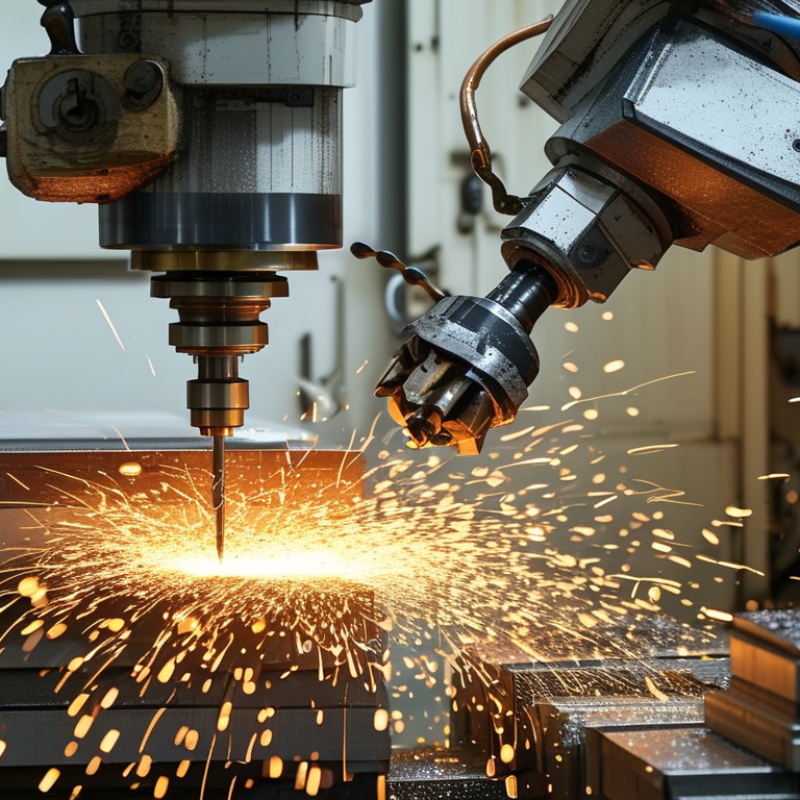
What Trends Are Shaping The Future Of CNC Machining in 2026?

Emerging Technologies in CNC Machining for 2026

Emerging technologies are poised to significantly impact CNC machining by 2026. One major trend is the integration of artificial intelligence (AI) and machine learning. These technologies can analyze complex machining environments in real-time, optimizing processes. A report from MarketsandMarkets predicts that AI in manufacturing will grow at a CAGR of 41.5%, reaching $14.7 billion by 2026. This kind of growth indicates the potential for smarter machining solutions.

Another transformative technology is additive manufacturing, or 3D printing, which complements CNC machining. It allows for rapid prototyping and design complexity that traditional methods cannot achieve. According to Statista, the 3D printing market size is expected to surpass $44 billion by 2026. This convergence of CNC and additive manufacturing could lead to innovative fabrication processes. However, challenges remain, such as material compatibility and production speed.

Lastly, the rise of IoT technology will enhance connectivity between machines and operators. Real-time data collection will improve maintenance and reduce downtime. Industry reports anticipate that the global IoT in manufacturing market will reach $307 billion by 2026. Yet, integrating these technologies requires careful consideration. Manufacturers must ensure network security and staff training to fully realize their potential.

What Trends Are Shaping The Future Of CNC Machining in 2026?

Sustainability and Eco-Friendly Practices in CNC Operations

Sustainability is becoming critical in CNC machining. As industries face environmental scrutiny, eco-friendly practices are rising. Manufacturers are exploring methods to reduce waste and lower their carbon footprint. For example, using biodegradable cutting fluids can significantly lessen pollution.

Recycling metal scraps is another vital practice. Instead of discarding excess material, companies can reclaim and reuse it. This not only conserves resources but also cuts down costs. The challenge lies in the initial setup and investment. Upgrading equipment to support these initiatives often requires significant capital.

Consumer demand is pushing for greener options. More buyers prefer products made through sustainable processes. However, there is a gap between desire and implementation. Many businesses struggle to adopt these practices effectively. Balancing profitability and eco-friendliness remains a complex issue. It is essential for the industry to continuously seek innovative solutions.

The Role of Artificial Intelligence in CNC Machining Advancements

The integration of artificial intelligence (AI) into CNC machining is transforming the industry. By 2026, predictive maintenance will save costs and prevent downtime. According to a recent report by the International Federation of Robotics, automation and AI can reduce unplanned machine downtime by up to 30%. This shift enhances productivity and overall efficiency.

AI-driven analytics will optimize machining processes. Data from the Manufacturing Technology Association shows that 65% of manufacturers plan to implement AI solutions by 2026. These solutions adjust tool paths in real-time, enhancing precision. However, challenges remain. Implementing AI requires significant investment and skilled personnel, which can be barriers for some companies.

Another aspect is the customization of production. AI allows for greater customization capabilities that meet customer specifications. While this is beneficial, there can be complications surrounding data security. As more data is collected, protecting this information becomes vital. The rapid pace of change necessitates continuous learning and adaptation within the workforce as well.

Customization Trends: Meeting Diverse Client Needs in 2026

The landscape of CNC machining is witnessing significant changes that prioritize customization. In 2026, clients demand unique solutions tailored to their specific needs. This shift drives manufacturers to adopt versatile technologies. Customization is not simply a trend; it’s a necessity for businesses aiming to stand out.

Today, companies can create parts with intricate designs more quickly than ever. Advanced software facilitates rapid prototyping. This allows for an iterative approach, letting clients provide feedback during the production process. However, the blending of high customization with operational efficiency is challenging. Balancing cost and production time remains a critical factor for many manufacturers.

Moreover, the reliance on standardization could stagnate innovation. Some shops may struggle to adapt to these personalized demands. Training staff on new techniques and technologies is essential. As customization grows, companies must reflect on their capability to meet evolving client needs while maintaining quality and efficiency. Investing in skilled labor and advanced technology could be the key to thriving in this landscape. Embracing imperfections in processes could lead to breakthroughs.

What Trends Are Shaping The Future Of CNC Machining in 2026? - Customization Trends: Meeting Diverse Client Needs in 2026

Trend Description Impact on CNC Machining Client Needs Addressed
Increased Customization Demand for tailored products that meet specific user requirements. Adoption of advanced CNC technologies that enable customization. Variety in sizing, material selections, and design specifications.
Automation & AI Integration Using AI and automation to optimize machining processes and reduce human error. Increased efficiency and productivity with fewer manual interventions. Faster turnaround times and more cost-effective solutions.
Sustainability Practices Focus on environmentally friendly practices and materials in machining processes. Development of eco-friendly machining technologies. Increasing client preference for sustainable products.
Smart Manufacturing Use of IoT and connectivity in machining systems for real-time data analytics. Enhanced monitoring and control of manufacturing processes. Better insights for personalized service based on client data.
Rapid Prototyping Speeding up product development with quick prototype iterations. Decreased lead times and increased innovation. Immediate feedback on designs leading to customized products.

Workforce Development: Skills Required for Future CNC Machinists

As CNC machining evolves, workforce development remains crucial. The future demands skilled machinists who can navigate advanced technology. According to a 2021 report by the National Institute for Metalworking Skills (NIMS), nearly 80% of employers struggle to find qualified CNC operators. This skills gap could hinder productivity and innovation in manufacturing sectors.

Future machinists will need a diverse skill set. Proficiency in computer programming, robotics, and automation will be vital. A 2022 industry study indicated that 56% of machining employers prioritize digital competencies. Moreover, familiarity with Industry 4.0 concepts is essential. However, traditional technical training often lacks these elements.

Tips: Explore online courses focused on digital skills. Hands-on experience in modern machining environments is invaluable. Networking with industry professionals can provide insights into essential skills. Embrace lifelong learning to adapt to rapid technological changes.

FAQS

: What practices are improving sustainability in CNC machining?

: Eco-friendly practices include using biodegradable cutting fluids and recycling metal scraps. These help reduce waste and pollution.

How can companies save costs while being sustainable?

By reclaiming and reusing metal scraps, companies conserve resources and lower expenses. However, this needs initial investment.

What drives the demand for sustainable manufacturing?

Consumers are increasingly choosing products made through sustainable processes. This shift pushes manufacturers towards greener options.

What challenges do businesses face when adopting sustainable practices?

Many businesses struggle to implement eco-friendly practices effectively. Balancing profitability with sustainability is often complex.

How is AI changing CNC machining?

AI integration increases efficiency and productivity. Predictive maintenance can cut downtime, saving costs and optimizing processes.

What is a concern with AI implementation in CNC machining?

Companies may face high investment costs and the need for skilled personnel. These can hinder the adoption of AI solutions.

How does AI enhance customization in production?

AI allows for tailored production based on customer needs. This can significantly improve customer satisfaction but raises data security issues.

Why is data protection important in AI-driven CNC manufacturing?

As more data is collected for optimization, safeguarding this information becomes vital to ensure privacy and compliance.

Conclusion

As we look ahead to 2026, several key trends are shaping the future of CNC machining. Emerging technologies such as advanced robotics and additive manufacturing are revolutionizing production processes, enabling greater efficiency and precision. Sustainability has become a significant focus, with eco-friendly practices being integrated into CNC operations to reduce environmental impact. Additionally, the incorporation of artificial intelligence is driving innovations in automation and process optimization, enhancing the capabilities of CNC systems.

Customization is another critical aspect, with the industry increasingly catering to diverse client needs through tailored solutions. Finally, workforce development is essential, as the demand for skilled CNC machinists rises. Training programs must evolve to equip the new generation with the necessary skills to thrive in this rapidly changing landscape. In summary, understanding what trends are shaping the future of CNC machining is crucial for industry stakeholders aiming to stay competitive and responsive to market demands.

Mason

Mason

Mason is a seasoned marketing professional with a deep expertise in the company's offerings and a passion for driving brand awareness. With a strong background in digital marketing strategies, he has an innate ability to connect with diverse audiences and effectively communicate product benefits.......