CNC machining has revolutionized the manufacturing industry, offering impressive precision that surpasses manual machining. According to a report by the National Institute of Standards and Technology (NIST), CNC machines achieve tolerances within ±0.001 inches, significantly enhancing part quality. In contrast, manual machining often struggles to maintain consistency, leading to variations that can affect product performance.
Renowned machining expert, Dr. James Caldwell, once stated, "What makes CNC machining more precise than manual machining lies in its ability to eliminate human error." This statement underscores the heart of the matter. Automated processes reduce variability, ensuring that each part is produced to exact specifications consistently. This reliability is crucial in sectors such as aerospace and medical devices, where precision is non-negotiable.
Despite these advantages, some may argue that CNC machining lacks the craftsmanship associated with manual techniques. While this perspective holds merit, the advancement of technology ensures that precision remains the primary goal. Balancing artistry with high-tech accuracy presents ongoing challenges for the industry, prompting a continuous assessment of machining methods.
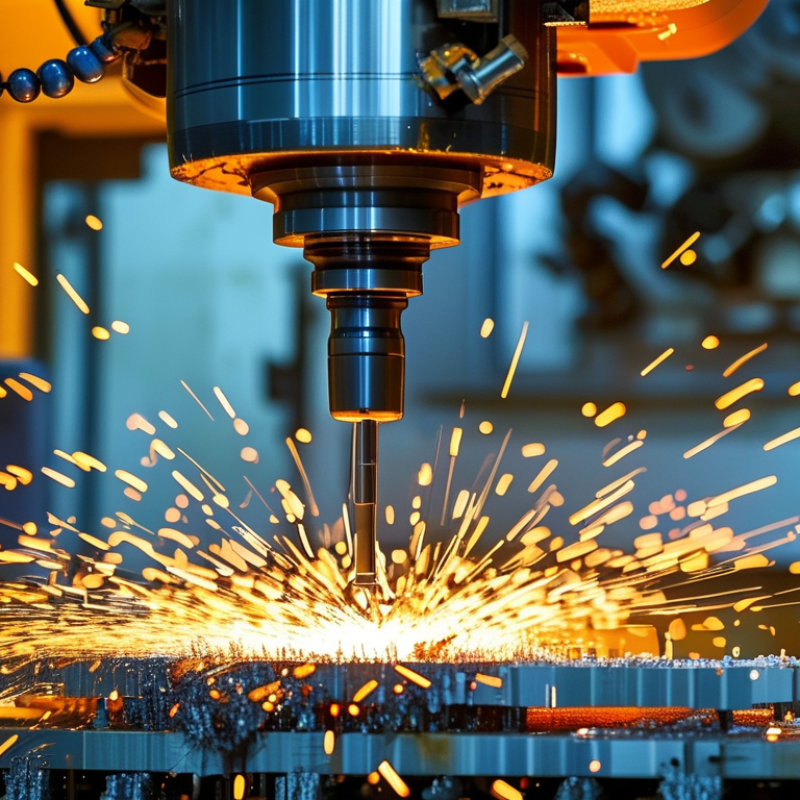
CNC machining technology has revolutionized the manufacturing sector. It enables precise control over cutting tools and machinery. Programs dictate movements with incredible accuracy. This level of precision reduces human error, often seen in manual machining. Moreover, CNC machines operate consistently, producing identical parts without fatigue.
The precision advantages of CNC machining come from its programmable nature. The use of computer-aided design (CAD) allows for intricate designs to be executed flawlessly. Despite its strengths, CNC machining does have limitations. For instance, complex setups may require adjustments that affect initial accuracy. Additionally, the reliance on computers can lead to system failures if not properly maintained.
Understanding these facets is crucial. While CNC machining offers outstanding precision, human oversight remains essential. Operators must ensure tools are calibrated correctly. Regular maintenance checks are necessary to uphold performance standards. Balancing technology with human skill sets the foundation for achieving the best results in machining.
CNC machining offers remarkable precision compared to manual machining techniques. The automated process is driven by computer-aided design (CAD) systems. This technology translates designs into machine code, eliminating human error. Each movement of the machine is calculated and executed with millimeter accuracy. Such meticulous control leads to uniformity in production, which manual machining often lacks.
Manual machining relies on human skills and judgment. While skilled technicians produce impressive work, there's a higher risk of errors during complex tasks. Inconsistent torque application can lead to variations in finished products. Operators may also tire, impacting their precision and focus. The subjective nature of manual processes adds another layer of unpredictability.
Tips: Investing in quality training for operators can help reduce errors during manual machining. Regular maintenance of CNC machines enhances their performance. Remember, even the best systems need checks to ensure they work within optimal parameters. Data from both techniques can guide businesses toward improvements where necessary. It’s essential to analyze results regularly and adjust practices accordingly.
CNC machining offers unmatched precision compared to manual techniques. This precision stems from several key factors. First, the use of computer-controlled systems ensures exact replication of measurements. Each operation is executed with finesse, minimizing human error. This is vital for projects that demand meticulous accuracy.
Another contributing factor is the ability to utilize complex algorithms. These algorithms optimize cutting paths, ensuring efficient use of materials. CNC machines can also handle intricate designs that manual methods might struggle with. Every detail is captured accurately, leading to enhanced overall quality.
Human oversight is still needed, but it may introduce variability. Operators must calibrate machines regularly to maintain precision. Even the smallest error can shift production quality. Continuous training and skill development for operators are essential to address potential inconsistencies. This enhances reliability, yet it highlights the human aspect involved in the process.
In the realm of machining, automation is a game changer. CNC machining utilizes computer-controlled tools that operate with unprecedented precision. This automated process reduces the potential for human error, a common issue in manual machining. With software-driven controls, machines perform exacting cuts and maneuvers consistently. A single tool path can be replicated effortlessly, ensuring uniformity across production runs.
Moreover, CNC machines can monitor and adjust their operations in real-time. This adaptability allows for immediate corrections, which is vital for intricate designs. However, there is still room for scrutiny. While automation enhances accuracy, it might lack the nuanced touch of skilled human operators. Some unique tasks still require a personal touch to achieve desired results. The evolution toward full automation must consider these complexities and the craft of traditional methods. Balancing innovation with craftsmanship remains critical in precision machining.
| Reason | Description | Precision Level | Automation Impact |
|---|---|---|---|
| Consistency | CNC machines provide the same results with high repeatability. | ±0.01 mm | High |
| Complex Geometry | CNC can create intricate parts that manual methods struggle with. | ±0.005 mm | Very High |
| Tool Wear Monitoring | Automated monitoring adjusts machining process to maintain precision. | Variable | High |
| Speed of Production | Faster machining leads to less chance for errors. | Consistent | Moderate |
| Reduced Human Error | Automation minimizes mistakes associated with manual processes. | High | High |
| Tool Precision | CNC machines use high-precision tools to achieve accuracy. | ±0.001 mm | Very High |
| Material Utilization | CNC machining optimizes material use reducing waste. | High | Moderate |
| Integrated Software | Advanced software aids in design and efficiency. | High | Very High |
| Scalability | CNC processes can be easily scaled for production runs. | Consistent | High |
| Documentation & Reporting | CNC machining provides logs and reports for quality assurance. | High | Moderate |
CNC machining excels in precision across various applications. One common use is producing intricate aerospace components. These parts must meet stringent standards for safety and reliability. CNC machines can create complex geometries with tight tolerances. Manual machining lacks this consistency. Human error can easily lead to variations.
Another application is in medical device manufacturing. Devices like surgical instruments require exact dimensions. CNC machining's ability to replicate parts accurately ensures high-quality medical products. Errors in this field can have serious consequences. While CNC machining offers impressive precision, it is still essential to monitor and calibrate machines regularly. Over time, wear and tear can affect output quality.
Automotive production is also an area where CNC machining shines. Components such as engine blocks and transmission housings benefit from the technology's high precision. These parts undergo rigorous testing to meet industry standards. However, operators must be attentive to programming details. Small mistakes in code can lead to significant deviations in final products. While CNC machining is highly reliable, continuous evaluation remains crucial.
: CNC machining offers superior precision compared to manual techniques. Each movement is calculated with millimeter accuracy.
The process uses computer-aided design (CAD) to translate designs into machine code, minimizing human involvement.
Manual machining relies on human skill, increasing the potential for errors due to fatigue or inconsistent application.
Investing in quality training can help reduce mistakes and improve overall craftsmanship during manual machining tasks.
Regular maintenance enhances machine performance and ensures that they operate within optimal parameters for accuracy.
Algorithms optimize cutting paths, allowing for detailed designs and efficient material use, resulting in higher quality products.
Yes, while CNC relies on automation, human calibration and oversight are necessary to maintain precision and reduce variability.
Regular analysis of machining results can reveal areas for improvement and guide necessary adjustments.
Tired operators may lose focus, leading to increased errors and variations in product quality during complex tasks.
Ongoing training helps address potential inconsistencies and enhances reliability in both CNC and manual machining processes.
CNC machining has revolutionized the manufacturing industry with its remarkable precision, which is significantly higher than that of manual machining. What makes CNC machining more precise than manual machining is the integration of advanced computer technology that allows for meticulous control over machining processes. This technology eliminates the human error factor common in manual techniques and ensures consistency across large production runs.
Moreover, the precision benefits of CNC machining are attributed to factors such as automation, which enhances machining accuracy by utilizing programmed commands to dictate cutting paths, speeds, and feeds. This level of automation not only increases efficiency but also produces components that meet strict tolerances. Common applications in various industries, including aerospace and medical equipment, further underscore the advantages of CNC machining, showcasing its ability to produce complex geometries with unparalleled accuracy.

Cora CNC