CNC machining has become integral to various industries, directly influencing their productivity and innovation. Industries that rely heavily on CNC machining include aerospace, automotive, medical, and electronics. According to a recent report from the National Institute of Standards and Technology, over 70% of manufacturers have adopted CNC technology to enhance accuracy and reduce costs. Experts note the importance of understanding "what industries rely most on CNC machining" for future competitiveness. John Smith, a machining technology expert, states, "CNC machining is crucial for precision and efficiency in high-demand industries."
While CNC machining offers significant advantages, challenges remain. The initial investment is high, and skilled labor is needed. Not every company can easily transition to CNC systems, which may result in a competitive disadvantage. Moreover, staying updated with technology is vital. Smart manufacturers continually assess their CNC capabilities against industry standards.
Monitoring trends helps companies adapt swiftly. Some sectors benefit more than others from CNC machining advancements. Industry leaders must evaluate which aspects can be enhanced through technology. Addressing these questions is essential to remain relevant in an evolving landscape.
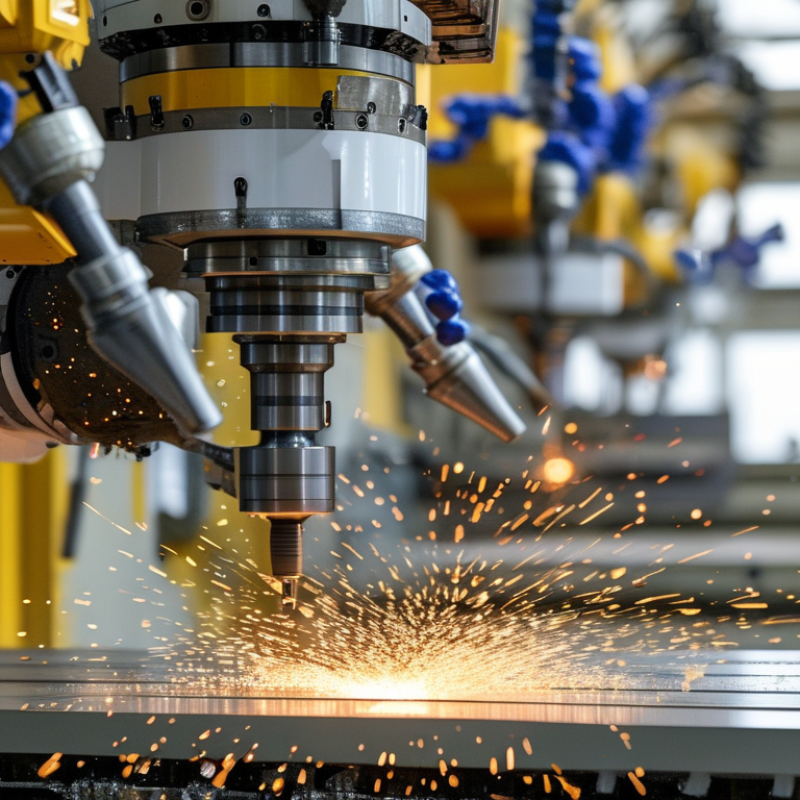
CNC machining plays a critical role in the aerospace industry. This technology ensures precision that is vital for flight safety. Aircraft components must meet stringent regulations. Even small errors can lead to catastrophic failures. CNC machines create parts with an accuracy of microns, enhancing reliability.
In addition to safety, CNC machining improves operational efficiency. It allows for rapid production and reduced waste. Many parts can be manufactured in a single setup. This process minimizes delays and increases throughput. However, the reliance on CNC technology poses challenges. Software errors or machine malfunctions can disrupt production, requiring immediate troubleshooting.
Furthermore, the aerospace sector must constantly innovate. As technology evolves, so do the demands for new materials and designs. CNC machining must adapt to these changes. Developing new machining processes can be costly and time-consuming. Companies need to invest in employee training and machine upgrades to stay competitive. Balancing efficiency with quality remains a continuous struggle.
The following chart illustrates the reliance of various industries on CNC machining technology, highlighting the importance of precision in sectors where accuracy is critical.
The automotive industry heavily relies on CNC machining to manufacture precise components. This advanced technology allows for high-volume production while maintaining exceptional accuracy. Every component, from engine parts to intricate frames, plays a crucial role in vehicle performance.
CNC machining uses computer-controlled tools to create complex shapes. This process ensures that even the tiniest details are replicated consistently. However, it’s not without challenges. For instance, programming errors can lead to significant delays and costs. Workers must remain vigilant, ensuring every aspect is error-free.
Innovation in CNC technology continues to evolve. While it streamlines production, there is always a need for skilled operators. A lack of trained professionals can hinder machine efficiency. This gap highlights the importance of training programs in the industry. Investing in workforce development is essential for future success.
CNC machining plays a critical role in the production of medical devices, ensuring unmatched quality and precision. According to a report from the International Journal of Precision Engineering and Manufacturing, precision in manufacturing can reduce the error margin to as low as 0.01 mm. Such accuracy is essential for life-saving devices, where even the slightest mistake can jeopardize patient safety.
The medical device industry is expected to grow significantly, reaching $612 billion by 2025, based on a market analysis from Fortune Business Insights. CNC machining contributes to this growth by allowing rapid prototyping and mass production of complex components. This technology ensures consistent quality across different batches, which is crucial for regulatory compliance. However, discussions around quality control and software limitations remind us that reliance on technology must not overlook human oversight and expertise.
While CNC machining provides numerous advantages, challenges still exist. The initial setup costs can be high, and skilled operators are vital for optimal performance. As the industry evolves, continuous training is necessary to adapt to new techniques and technology. Balancing automation benefits with human insight is essential for maintaining standards and fostering innovation in medical device manufacturing.
CNC machining plays a critical role in the electronics sector. It allows manufacturers to create intricate components with precision. As devices become smaller, the demand for exact specifications increases. CNC machining enables the production of tiny parts that fit into compact electronic devices.
Quality is vital in the electronics industry. Parts must be durable and reliable. CNC machines can produce consistent results, reducing human error. This reliability builds trust in the products created. However, the process isn't without challenges. Maintaining machine calibration can be complex and requires constant monitoring. Regular training is essential to ensure operators understand advanced techniques.
Tips for success in CNC machining include investing in reliable tools and regular maintenance. Understanding your machine’s capabilities helps optimize production. Always double-check designs before programming. Precision is critical, but it’s also important to embrace a learning mindset. Continuous improvement can lead to better results. Don't fear mistakes; instead, analyze them for future growth.
CNC machining plays a pivotal role in the building and construction industry. It helps create precise components for structural integrity. This technology enables the production of complex shapes and sizes. Builders rely on CNC machined parts for reliable framing, trusses, and support systems. These components ensure safety and durability in structures.
When choosing materials, consider strength and weight. Steel and aluminum are popular choices. They offer excellent durability and resistance to environmental factors. Understanding material properties aids in making informed decisions.
Here’s a quick tip: always verify CNC machine calibration. Even small errors can lead to significant issues in structural framing. Regular maintenance is essential. It improves precision and extends machinery lifespan. In construction, every millimeter counts. Accurate parts lead to successful project completion, driving industry success.
Another tip: collaborate closely with engineers during the design phase. Their insights can optimize CNC machining outcomes. Not all designs translate well into machined components. Early dialogue prevents costly revisions later.
: CNC machining allows for high-volume production with exceptional accuracy, crucial for vehicle components.
Programming errors can cause delays and increased costs. Careful monitoring is needed.
It enables the creation of intricate components, essential for smaller electronic devices.
Durable and reliable parts foster trust in electronic products produced.
Regular calibration and constant monitoring are essential for machine effectiveness.
Investing in reliable tools, performing maintenance, and optimizing machine capabilities are key.
Embrace continuous improvement and analyze mistakes for future growth.
A lack of skilled operators can hinder machine efficiency and productivity.
Always double-check designs to ensure precision and accuracy.
Overlooking details can lead to production errors, affecting overall quality.
CNC machining plays a critical role in various industries, underscoring its significance in modern manufacturing. Key sectors that rely on CNC machining include aerospace, where precision is paramount for flight safety and efficiency. The automotive industry similarly depends on this technology for the manufacturing of complex components, ensuring both quality and performance. Additionally, the medical device sector utilizes CNC machining to adhere to stringent quality standards, vital for patient safety.
In the electronics field, CNC machining facilitates the miniaturization of components, allowing for intricate designs essential in today’s technology. Lastly, the building and construction industry benefits from CNC machining by enhancing the structural integrity of construction materials. These examples highlight what industries rely most on CNC machining, demonstrating its indispensable role in driving success across diverse fields.

Cora CNC