In the evolving landscape of manufacturing, the transformation brought by smart technologies is undeniable. Industry expert Dr. Emily Chen, a leading figure in manufacturing innovation, emphasizes, "How smart manufacturing impacts machine tool design is revolutionary." This reflects the growing integration of data analytics, IoT, and AI in design processes.
Smart manufacturing redefines not only productivity but also the approach to machine tool design. Advanced sensors and real-time data allow for more precise and customized machinery. Companies can now respond quickly to customer needs, making design agile and more connected. The traditional, often slow design processes cannot keep pace with these advancements. This creates a challenge for professionals familiar with older methods.
The implications are significant yet complex. Designers must adapt their skills to incorporate these technologies effectively. There’s an ongoing need for training and adaptation as the industry gradually shifts. While some resist these changes, fearing job loss or skill obsolescence, the potential for innovation and efficiency is vast. Understanding "how smart manufacturing impacts machine tool design" is crucial for those who wish to stay relevant in this rapidly changing field.
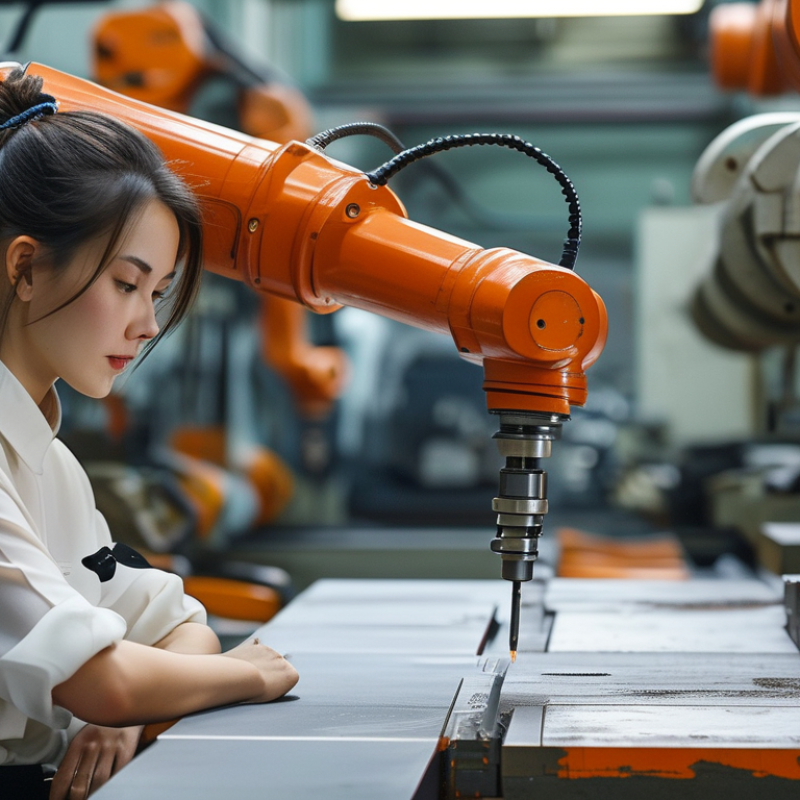
The Evolution of Smart Manufacturing Technologies in Machine Tools
Smart manufacturing is reshaping machine tool design, with technologies evolving rapidly. The integration of IoT, AI, and big data analytics is driving this change. According to a recent report by the International Federation of Robotics, 50% of industrial machinery will be “smart” by 2026. This shift allows for real-time monitoring and predictive maintenance, essential for maximizing uptime and efficiency.
AI algorithms analyze data from tools and provide insights that help in optimizing designs. For example, engineers might discover that specific designs reduce machine wear, thus extending tool life. However, challenges remain in data security and system integration. Not all manufacturers can navigate these complexities effectively. A McKinsey study indicated that 70% of digital transformations fail.
The ongoing evolution of smart technologies presents both opportunities and hurdles. As machine tools become increasingly interconnected, the need for skilled personnel rises. Employers must focus on training their workforce. A report from Deloitte highlights that 1.4 million manufacturing jobs could go unfilled by 2024 due to skill shortages. The future of machine tool design hinges on balancing innovation with practical implementation.
Key Technologies Driving Smart Manufacturing in Machine Tool Design
Smart manufacturing is reshaping machine tool design in profound ways. Technologies like AI, IoT, and advanced robotics play critical roles. These innovations enhance production efficiency and accuracy. With real-time data analysis, manufacturers can monitor equipment performance. This leads to quicker adjustments and reduced downtime. Machines can now communicate with each other, forming a connected infrastructure that minimizes errors and waste.
However, the integration of these technologies is not without challenges. Skilled labor is necessary to manage these advanced systems. Many companies struggle with the training of their workforce. Additionally, cybersecurity concerns arise with increased connectivity. Protecting sensitive data becomes crucial as machines become more interconnected. Furthermore, relying too heavily on automation can lead to unforeseen problems. For example, over-automation might reduce human oversight, leading to critical errors.
Despite these issues, the potential benefits are significant. Enhancing machine tool design through smart manufacturing can foster innovation. Companies can create more flexible systems that adapt to various needs. Yet, it is vital to strike a balance between technology and human expertise. Exploring these dimensions helps in navigating the future of manufacturing effectively.
Impact of IoT and Data Analytics on Machine Tool Efficiency
The integration of IoT and data analytics is reshaping machine tool design dramatically. In 2026, tools equipped with sensors can provide real-time data on performance. This allows manufacturers to analyze operational efficiency instantly. For example, detecting anomalies before they escalate can reduce downtime significantly. However, while technology offers great promise, it brings challenges as well.
Data quality is critical. Incomplete or inaccurate data can lead to poor decision-making. Manufacturers must ensure that their IoT systems capture reliable information. Additionally, the reliance on data analytics might lead to overconfidence, potentially ignoring valuable intuition from experienced machinists. Balancing technology with human insight is essential in this evolving landscape.
Moreover, adapting to constant updates in software can be daunting. Training staff to manage new tools is necessary for optimization. There can also be resistance among workers who feel threatened by automation. Overall, while IoT and data analytics enhance machine tool efficiency, careful thought must be given to implementation. Embracing these technologies requires a thoughtful approach, blending innovation with human expertise.
Sustainability and Environmental Considerations in Smart Manufacturing
The shift to smart manufacturing is redefining machine tool design. In 2026, sustainability will be at the forefront of these advancements. Machine tools will focus on eco-friendly materials and energy-efficient technologies. This conscientious approach addresses environmental challenges while enhancing productivity.
Companies are adopting techniques like additive manufacturing to minimize waste. Moreover, predictive maintenance reduces unwanted downtimes. These strategies help conserve resources and lower carbon footprints.
**Tip:** Evaluate your supply chain for sustainable materials. Implement practices that promote resource conservation.
Smart manufacturing will also harness data analytics to optimize operations. By integrating sensors, machines can monitor energy use in real-time. This insight allows for immediate adjustments, reducing environmental harm.
**Tip:** Utilize real-time data tracking in your operations. Make incremental changes towards a greener production cycle.
It’s crucial to recognize the balance between innovation and sustainability. Not every step forward may lead to a better ecological impact. Continued reflection is necessary to ensure that progress does not compromise our environment.
How Smart Manufacturing Transforms Machine Tool Design in 2026? - Sustainability and Environmental Considerations in Smart Manufacturing
| Aspect |
Description |
Impact on Sustainability |
Environmental Considerations |
| Energy Efficiency |
Implementation of AI algorithms for optimizing energy usage in machinery. |
Reduces overall energy consumption, lowering carbon footprint. |
Minimizes reliance on non-renewable energy sources. |
| Material Usage |
Use of advanced materials that are lighter and more durable. |
Reduces waste through optimized material selection and use. |
Promotes recycling and use of biodegradable materials. |
| Supply Chain Optimization |
Utilization of IoT for real-time tracking of materials and components. |
Enhances logistics efficiency, reducing transportation emissions. |
Encourages local sourcing to minimize shipping impacts. |
| Product Lifecycle Management |
Integration of software solutions to manage the entire lifecycle of products. |
Maximizes product longevity and minimizes waste. |
Facilitates end-of-life recycling programs. |
| Automation and Robotics |
Implementation of robots for precision work to reduce errors. |
Increases efficiency, reducing material waste during production. |
Minimizes the environmental impact of manufacturing processes. |
Future Trends in Machine Tool Design: Innovations from Smart Manufacturing
Smart manufacturing is set to redefine machine tool design in 2026. Key innovations are emerging, driven by advanced automation and data analytics. These technologies enhance precision and efficiency. For instance, the integration of AI tools allows for adaptive machining. Machines can modify their settings in real-time. Such responsiveness minimizes waste and maximizes resource utilization.
However, the rapid pace of innovation raises questions. Can manufacturers keep up with these changes? There is a learning curve involved, and not every company may succeed. Many machines will require advanced training for operators. Ensuring a skilled workforce is crucial for leveraging these technologies. Without proper training, even the best tools may not function effectively.
Additionally, there is a growing focus on sustainability in design. Eco-friendly materials and energy-efficient processes are becoming the norm. This shift adds complexity to the design process. Engineers must balance performance with environmental concerns. Reflecting on these challenges is essential as companies move forward. The future of machine tool design relies on continuous adaptation and innovation.
Future Trends in Machine Tool Design: Innovations from Smart Manufacturing
Conclusion
The article "How Smart Manufacturing Transforms Machine Tool Design in 2026" explores the significant evolution of smart manufacturing technologies and their influence on the design of machine tools. It highlights key technologies that drive these advancements, such as the Internet of Things (IoT) and data analytics, which enhance machine tool efficiency and performance. Furthermore, the article discusses the growing importance of sustainability and environmental considerations in the design process, showcasing a shift towards more eco-friendly manufacturing practices.
Looking forward, the article outlines future trends in machine tool design, emphasizing the innovative transformations spurred by smart manufacturing. It underscores how smart manufacturing impacts machine tool design by integrating automation, real-time data monitoring, and advanced materials, leading to more adaptable, efficient, and sustainable manufacturing solutions. This holistic approach promises to redefine machine tool industry standards and practices in the years to come.

 Cora CNC