In today's medical device industry, precision machining plays a crucial role. Experts like Dr. Mark Johnson, a renowned figure in medical manufacturing, emphasize that "precision machining is the backbone of innovation in medical devices." Understanding how precision machining benefits medical device production can lead to better outcomes and improved patient care.
Precision machining enhances accuracy and efficiency in device creation. This process allows for the meticulous crafting of components that meet strict regulatory standards. Each part must fit perfectly, as even minor errors can have significant consequences. The ability to produce intricate designs without compromising quality is vital in this competitive field.
Furthermore, precision machining reduces lead times and production costs. However, achieving this level of precision is challenging. Manufacturers must continually evaluate and refine their processes. Balancing speed and quality often requires tough decisions. As the needs of the medical field evolve, so must the approaches in precision machining. This dynamic interplay shapes the future of medical technology.
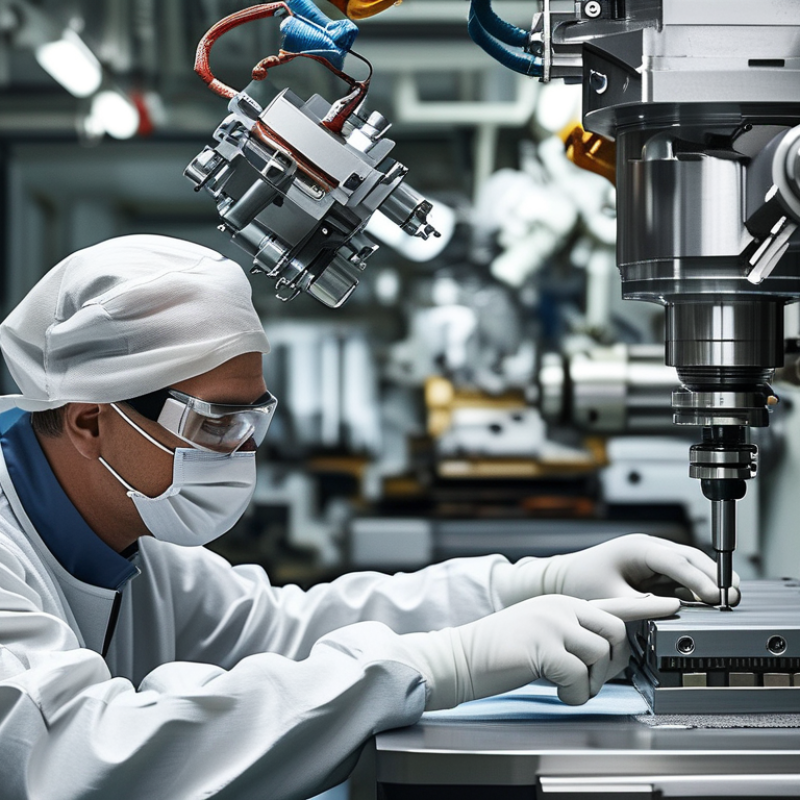
Precision machining plays a vital role in the medical device manufacturing industry. This manufacturing process ensures that components meet strict tolerances. High precision is crucial for devices like surgical tools and implants. Inaccurate parts can lead to serious issues. A single millimeter off can impact the device's performance or safety.
Enhanced quality controls are essential in precision machining. Each stage of production involves rigorous testing and monitoring. This helps catch defects early in the process. However, the complexity of this process can sometimes lead to overlooked errors. A tiny slip in measurement can have large repercussions in a medical setting.
Another area of concern is the continuous advancement in technology. Machines and CAD software evolve rapidly. While this can improve efficiency, it also means that technicians need constant training. Relying on machinery without adequate skills can result in mistakes. Precision machining demands a blend of technological and human expertise for optimal results.
Precision machining plays a pivotal role in medical device production. Techniques such as CNC machining, EDM, and laser machining offer unparalleled precision. For instance, studies indicate that CNC machining can achieve tolerances as tight as ±0.001 inches, which is crucial for medical components like implants and surgical instruments.
CNC machining, or computer numerical control machining, leads to increased consistency. This enhances quality control within the manufacturing process. By using sophisticated software, manufacturers can minimize human error. This technology results in fewer defects, ultimately improving patient safety.
Tip: Investing in state-of-the-art CNC machinery can significantly improve production efficiency.
EDM, or electrical discharge machining, is essential for creating complex geometries. It enables the production of intricate designs that traditional methods struggle with. As per a recent industry report, EDM can achieve surface finishes of up to Ra 0.1 micrometers. This is vital for applications requiring biocompatibility and reduced friction.
Tip: Regular maintenance of EDM equipment ensures optimal performance and longevity.
Lastly, laser machining provides flexibility in cutting various materials. It allows for rapid prototyping, reducing time to market. However, it demands skilled operators to manage the laser parameters effectively. This highlights a gap where training is necessary but often overlooked.
| Technique | Benefit | Application | Material Compatibility |
|---|---|---|---|
| CNC Machining | High precision and repeatability | Surgical Instruments | Stainless Steel, Titanium |
| EDM (Electrical Discharge Machining) | Ability to work with hard materials | Complex Shapes for Implants | Tungsten, Carbide |
| Laser Cutting | Minimal thermal distortion | Dental Applications | Plastics, Metals |
| Micromachining | High precision for small components | Micro-needles, Sensors | Silicon, Metal Alloys |
| 3D Printing (Additive Manufacturing) | Complex geometries and rapid prototyping | Prosthetics | Biocompatible Polymers |
Precision machining plays a vital role in medical device production. Quality control measures are crucial in ensuring the safety and reliability of these devices. According to a recent report by the Medical Device Innovation Consortium, up to 9% of medical device failures can be traced back to manufacturing defects. Implementing robust quality control is essential.
One key measure is statistical process control (SPC). This technique monitors manufacturing processes in real-time, detecting variations that may lead to defects. A study published in the "Journal of Manufacturing Science and Engineering" found that companies using SPC reduced their defect rates by up to 30%. Regular audits and inspections also ensure compliance with strict industry standards. However, human error in conducting these checks is a persistent issue.
Another important aspect is material verification. Quality assurance starts with the raw materials used in production. A report from the FDA emphasizes that a significant percentage of recalls stem from material issues. Purchasing certified materials can help mitigate this risk. Even with the best processes in place, gaps remain. Continuous improvement is necessary to adapt to changing regulations and technological advancements in the medical device industry.
Precision machining significantly enhances medical device production by ensuring device safety and compliance. It involves removing material from a workpiece to achieve tight tolerances, crucial in the medical field. High precision means fewer errors, reducing the risk of device failure during use. This makes it an essential process for devices like implants and surgical instruments, where even minor discrepancies can lead to serious consequences.
The role of precision machining in meeting compliance standards cannot be overstated. Manufacturers must conform to strict regulations that govern medical devices. Precision machining allows for repeatability, ensuring that each device meets stringent specifications.
However, the challenge lies in adapting to rapidly advancing technologies. Continuous updates and training are necessary to stay compliant. Insufficient knowledge about modern methods can lead to costly mistakes.
In the realm of medical device production, the impact of precision machining extends beyond accuracy. It fosters a culture of safety, where every detail counts. Yet, many manufacturers still overlook the importance of consistent quality checks. A lapse in this area can jeopardize patient safety. Therefore, investing in precision machining is not merely a choice; it is a commitment to improving health outcomes.
Precision machining is revolutionizing the medical device industry. As technology progresses, we see innovative trends that focus on efficiency and quality. The shift towards miniaturization in medical devices has prompted manufacturers to adopt advanced machining techniques. This allows for the creation of smaller, more precise components vital for complex instruments.
Manufacturers are embracing automation. Automated systems enhance production speed while maintaining accuracy. However, relying too heavily on automation can lead to inconsistencies. It’s crucial to find the right balance between human oversight and machine efficiency.
Tips: Always prioritize quality control. Frequent inspections can reduce errors in production. Also, consider investing in training for your workforce. Skilled professionals can make a significant difference in the precision and effectiveness of machinery.
Another emerging trend is the integration of smart technology. AI and machine learning are being utilized to predict equipment failures. This proactive approach minimizes downtime and improves overall productivity. Yet, it’s vital to assess the costs versus benefits. Not all smart tech is suitable for every production line.
Tips: Stay updated with the latest technologies. Participate in workshops and webinars. This knowledge can give your business a competitive edge. Implementing these strategies may foster growth but requires ongoing reflection and assessment to ensure success in the evolving landscape of medical device production.
: Precision machining is critical for producing medical devices. It ensures high accuracy and tight tolerances are achieved.
CNC machining increases consistency and reduces human error, leading to fewer defects and improved patient safety.
EDM allows for complex geometries and can achieve fine surface finishes. This is essential for biocompatibility.
Laser machining offers flexibility and rapid prototyping. However, skilled operators are necessary to manage laser settings.
Automation increases production speed while ensuring accuracy. However, it can lead to inconsistencies if overly relied upon.
Investing in training enhances the precision of machinery. Skilled professionals can significantly impact production quality.
Smart technology helps predict equipment failures. This proactive approach can reduce downtime but needs careful cost evaluation.
Over-reliance on automation may lead to inconsistencies. Balance with human oversight is essential for effective production.
Regular inspections help reduce errors. They are crucial for maintaining high standards in the manufacturing process.
Ongoing reflection ensures that new technologies meet production needs. Not all advancements will suit every manufacturing setup.
Precision machining plays a critical role in the manufacturing of medical devices, significantly enhancing production efficiency and product quality. The importance of precision machining in this sector stems from its ability to create highly accurate and intricate components essential for the functionality and reliability of medical devices. Key techniques such as CNC machining, laser cutting, and additive manufacturing allow for the customization and scalability required in the rapidly evolving medical field.
Quality control measures are integral to precision machining processes, ensuring that every component meets strict safety and regulatory standards. This meticulous attention to detail not only improves device safety and compliance but also fosters trust among healthcare professionals and patients. Moreover, the future trends in precision machining indicate advancements in automation and materials that will further benefit medical device production. Overall, understanding how precision machining benefits medical device production is vital for manufacturers aiming to stay competitive in this critical industry.

Cora CNC