What is Precision Boring Machining Centers and How to Choose?

Time:2026-03-30 Author:Henry
0%

Precision Boring Machining Centers have become essential in various manufacturing processes. These machines enhance accuracy and efficiency in hole-making operations. According to a recent industry report by Market Research Future, the global precision boring market is projected to reach $4.2 billion by 2027. As demand for precision components grows, choosing the right machining center is crucial.

Industry expert John Smith, a leading figure at Machining Technologies, emphasizes, "Selecting the right Precision Boring Machining Center can significantly impact production quality." This statement underscores the importance of informed decision-making in purchasing. Variables such as machine size, control systems, and tooling options need careful consideration.

However, many companies face challenges when selecting a suitable center. Often, they overlook compatibility with existing processes or underestimate the learning curve involved. It's vital to analyze both short-term and long-term needs before committing to a particular model. With the right information, businesses can navigate the complexity of choosing Precision Boring Machining Centers effectively.
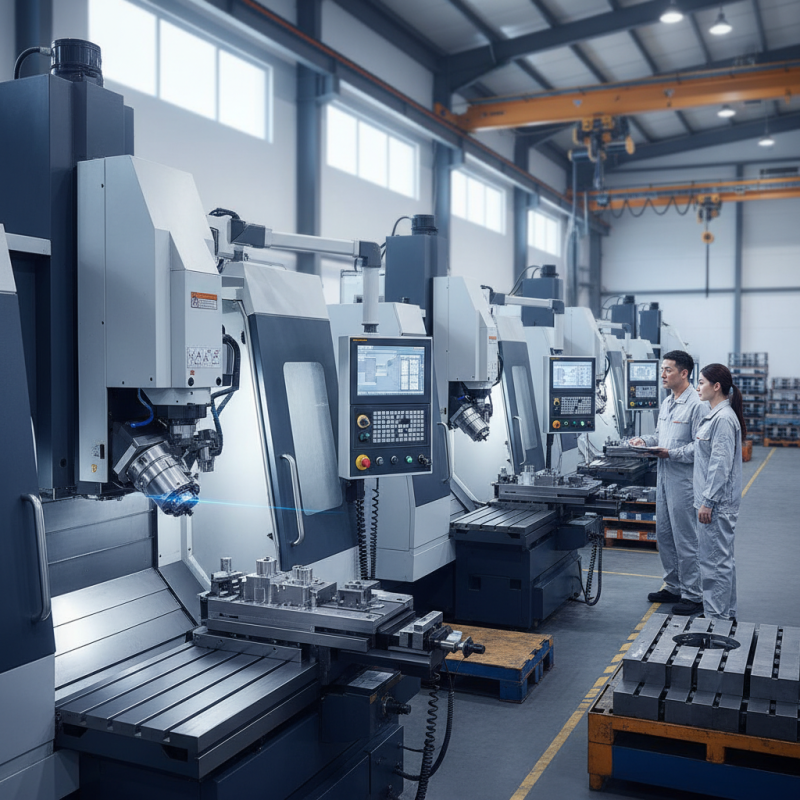
What is Precision Boring Machining Centers and How to Choose?

What is Precision Boring Machining?

Precision boring machining is a critical process in manufacturing. It allows for the creation of precise holes and features in various materials. This technique is especially important for parts that require tight tolerances. The process involves using specialized tools that remove material with high accuracy. It helps ensure that components fit together seamlessly in assemblies.

When exploring precision boring, consider the specifications of your projects. Factors like material type and desired tolerances are crucial. High-quality machining centers can handle diverse tasks. However, they are an investment. Analyzing your production needs helps in making the right choice.

Tips: Always verify the machine's capabilities. Look for features such as spindle speed and tool changing options. Test the machine with a small job before committing to larger production runs. Remember, precision is about details. Paying attention to these aspects can significantly impact the overall quality of your output.

Key Features of Precision Boring Machining Centers

Precision boring machining centers are essential in achieving high accuracy in component manufacturing. These machines excel in enhancing hole precision and ensuring tight tolerances. When selecting the right center, key features are crucial. Look for spindle speed capabilities; they influence the finishing quality and efficiency.

Thermal stability plays a vital role too. Machines should have a robust design to minimize thermal deformation during operation. Robust construction is necessary for maintaining dimensional accuracy over time. Additionally, consider the control systems. User-friendly interfaces enhance operator efficiency and reduce the risk of errors.

Tooling options are also a significant factor. Having versatility in tooling can improve overall productivity. Some machines offer quick-change capabilities that save time between setups. Automatic tool changers streamline the process and minimize downtime. Maintenance requirements should not be overlooked either. Regular checks and a user-friendly service process can prevent unexpected breakdowns. These considerations reflect the complexity and need for thoughtful selection in choosing a precision boring machining center.

What is Precision Boring Machining Centers and How to Choose? - Key Features of Precision Boring Machining Centers

Feature Description Importance
Boring Diameter Range Specifies the range of diameters that can be bored. Essential for compatibility with workpieces.
Spindle Speed The speed at which the spindle rotates, affecting machining time and precision. Critical for achieving optimal cutting conditions.
Feed Rate The speed at which the cutter advances through the material. Influences surface finish and tool wear.
Machine Accuracy Precision of the machine in relation to specified tolerances. Determines quality of finished products.
Control System Type of control system (CNC, manual) used for operation. Affects ease of use and programming capabilities.
Tooling Compatibility Types of tools that can be used with the center. Important for flexibility in machining processes.
Cooling System Method used to cool the machine and workpiece during operation. Helps extend tool life and maintain accuracy.

Types of Precision Boring Machines Available

Precision boring machines are essential tools in the manufacturing sector. They are designed for achieving intricate specifications in metalworking and similar applications. Different types of precision boring machines cater to specific tasks. Some are designed for high-volume production, while others excel at custom machining jobs.

Two primary types of precision boring machines are horizontal and vertical boring machines. Horizontal boring machines are versatile, great for large workpieces. They provide stability and accuracy, which is crucial for detailed tasks. Vertical boring machines, on the other hand, are more suited for smaller parts. They allow for quicker setups and are often used in tooling applications.

When selecting a precision boring machine, consider factors such as the workpiece size, material type, and desired accuracy. Data shows that around 40% of machine failures are due to mismatches in these areas. Therefore, understanding both the machine's capabilities and the specific production needs is vital. Balancing precision with operational efficiency can be challenging but is often necessary for optimal output.

Precision Boring Machines: Type Comparison

Factors to Consider When Choosing a Machining Center

When selecting a precision boring machining center, several factors play a critical role. The first consideration should be the machine's rigidity and stability. A sturdy machining center minimizes vibrations, which can lead to inaccuracies. According to a recent industry report, machining centers with high rigidity show improvements in precision up to 40%.

Another essential aspect is the cutting tool compatibility. Each machining center has specific requirements for tool types and sizes. Incompatibility can lead to downtimes and increase tool wear. Experts recommend checking the machine's specifications against common tools used in your applications. Data indicates that aligning tool choices with the machine can extend tool life by 25%.

The software integration capability is also vital. Advanced machining centers offer robust software solutions for programming and simulation. These technologies enhance efficiency and reduce human error. However, companies must consider their workforce's adaptability to new software systems. Striking a balance between technology and operator skills is crucial for maximizing productivity in machining processes.

Benefits of Precision Boring in Manufacturing Processes

Precision boring is a critical technique in modern manufacturing. It enhances the accuracy of holes in various materials, which is essential for many applications. This method minimizes errors and improves the overall quality of the finished product. It is particularly beneficial for high-tolerance components used in aerospace and automotive sectors.

Using precision boring can significantly lower manufacturing costs. The process reduces material waste and minimizes the time taken for machining. However, it requires skilled operators and precise machinery. Companies may need to invest in training or technology to achieve optimal results. Sometimes, businesses might overlook the importance of maintenance, leading to less reliable operations.

Overall, precision boring provides notable advantages, enhancing efficiency and quality. Being mindful of potential challenges can foster better decision-making. Investing in the right tools and training can further elevate manufacturing processes. Yet, not every organization fully harnesses these benefits, which invites reflection on methods used in production.

FAQS

: What are precision boring machining centers used for?

: They are used to achieve high accuracy in component manufacturing and enhance hole precision.

Why is spindle speed important in boring machines?

Spindle speed influences the finishing quality and efficiency of the machining process.

How does thermal stability affect precision boring machines?

A robust design minimizes thermal deformation, helping maintain dimensional accuracy during operation.

What should I look for in control systems for boring machines?

User-friendly interfaces enhance efficiency and help reduce the risk of operational errors.

What tooling options improve productivity?

Versatile tooling and quick-change capabilities can save time and streamline production processes.

What maintenance considerations are important for boring machines?

Regular checks and an easy service process prevent unexpected breakdowns and ensure reliability.

What types of precision boring machines are available?

The two main types are horizontal and vertical boring machines, each suited for different tasks.

Which machine type is better for large workpieces?

Horizontal boring machines provide stability and accuracy, making them ideal for large workpieces.

How do I choose the right boring machine for my needs?

Consider workpiece size, material type, and desired accuracy to avoid mismatches and potential failures.

Why balancing precision and efficiency can be challenging?

Achieving optimal output requires careful consideration of both precision and operational requirements.

Conclusion

Precision Boring Machining Centers are specialized machines used in the manufacturing process to achieve high levels of accuracy and precision in boring operations. These centers are characterized by their ability to create precise holes in various materials, essential for components that require exact dimensions and surface finishes. Key features of these machines include advanced tooling options, customizable settings, and automated controls that enhance efficiency and reduce the risk of human error.

When selecting a Precision Boring Machining Center, several factors must be considered, such as the specific machining requirements, the types of materials being processed, and the desired production volume. Different types of precision boring machines cater to various industrial needs, offering distinct capabilities and features. The benefits of utilizing precision boring in manufacturing processes include improved product quality, reduced machining time, and enhanced operational efficiency, making these centers a valuable asset in modern manufacturing environments.

Henry

Henry

Henry is a dedicated marketing professional with a profound expertise in the company's offerings. With years of experience in the industry, he possesses an impressive understanding of the market dynamics and consumer behaviors that drive success. Henry is committed to sharing his insights through......