In the world of precision engineering, buyers demand high accuracy in machined parts. Experts like John Smith, a recognized authority in multi-axis machining, emphasize its significance. He states, "Multi-axis machining reshapes the possibilities of precision, offering unmatched accuracy." This statement highlights how multi-axis machining improves part accuracy, a crucial factor for numerous industries.
Traditional machining processes often face limitations regarding complex geometries. Multi-axis machines can operate on multiple planes, reducing errors during production. This technology facilitates intricate designs, allowing for tighter tolerances. Buyers benefit from this enhanced precision, as it translates to better-fitting components.
However, the transition to multi-axis systems can pose challenges. Companies must invest in training and technology. The learning curve can be steep, leading to initial inaccuracies if not managed well. Despite these hurdles, the potential for improved accuracy and efficiency remains compelling. Embracing this technology is essential for those looking to stay competitive.
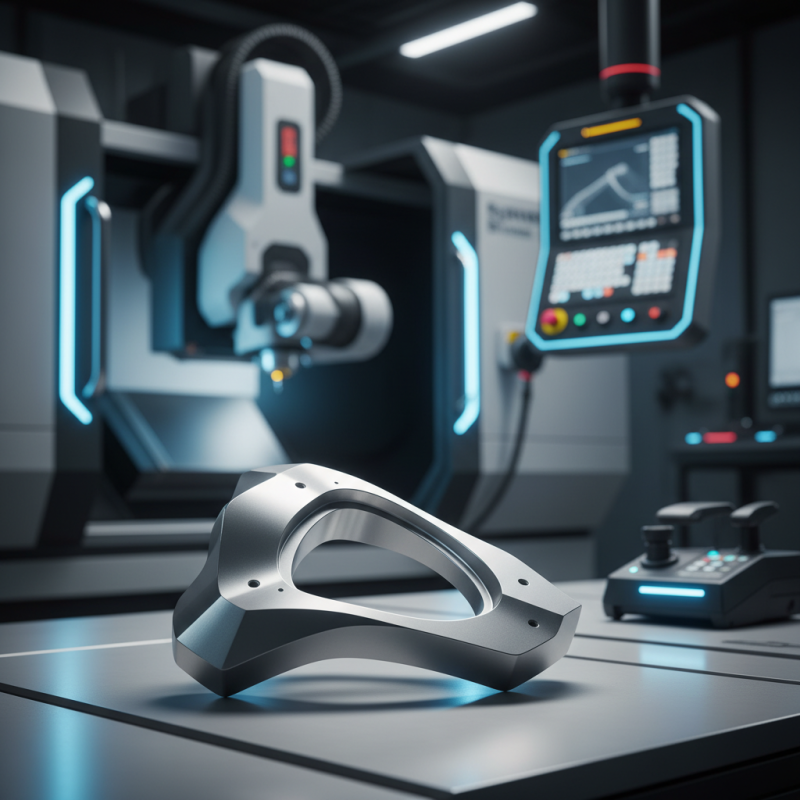
Multi-axis machining allows for complex geometries, enhancing design possibilities. Traditional methods often involve multiple setups, increasing the risk of error. A multi-axis machine can perform various operations in a single setup. This efficiency leads to improved part accuracy, crucial for industries like aerospace and medical devices.
The principles of multi-axis machining stem from multi-dimensional movement. Machines can rotate and tilt, providing access to hard-to-reach areas. This flexibility enables the creation of intricate features. However, programming these machines requires skill. Mistakes in setup or tooling can lead to defects. Each operator must understand both machine capabilities and limitations.
While multi-axis machining improves precision, it's not without challenges. The learning curve can be steep. Ensuring optimal conditions for each part is vital. Monitoring tool wear and machine calibration also becomes essential. Overlooking these aspects may compromise quality, necessitating ongoing training and evaluation. Balancing innovation with experience is key to leveraging this technology effectively.
Multi-axis machining is revolutionizing the manufacturing landscape. By allowing simultaneous manipulation along multiple axes, this technique significantly boosts part accuracy. Traditional machining often limits processing to one or two planes, leading to increased error margins. In contrast, multi-axis systems offer a holistic approach, ensuring that every contour and detail aligns precisely with design specifications.
One of the core advantages of multi-axis machining lies in its ability to reduce setups. Fewer setups mean less time wasted in retooling and repositioning. This efficiency enhances production rates and minimizes human error. The accuracy achieved is particularly beneficial in industries like aerospace and medical. Components in these fields require a high degree of precision, and multi-axis machining delivers just that.
Despite these benefits, adopting multi-axis machining can be challenging. It requires skilled operators and a solid understanding of complex software. Companies must invest in training and technology, which can be costly. However, the trade-off is worth it for many. Enhanced precision leads to better products and satisfied customers. As more businesses recognize these advantages, multi-axis machining becomes increasingly essential in achieving high standards in manufacturing.
In recent years, the demand for precise machining has significantly increased. According to a report by the National Institute of Standards and Technology (NIST), the average machining tolerance requirement across various industries has tightened to ±0.005 inches. This trend underscores a need for advanced machining techniques. Multi-axis machining offers a solution. It enables more complex geometries and often leads to reduced setup times, enhancing overall efficiency.
Statistics indicate that companies using multi-axis machining experience a 30% improvement in accuracy compared to traditional methods. As manufacturers strive for enhanced precision, they turn to multi-axis systems. These systems not only deliver tighter tolerances but also minimize the risks of human error during production. Additionally, a survey by the Precision Machined Products Association reveals that 85% of manufacturers report fewer rejected parts when utilizing multi-axis machining.
Yet, challenges remain. The technology requires skilled operators and significant upfront investment. Some manufacturers struggle with these demands. Reports show that 25% of firms faced integration issues with existing processes. As the industry evolves, grappling with these real-world concerns is crucial. Balancing investment with expertise can make a notable difference in achieving desired accuracy levels.
The chart above illustrates the percentage improvements in machining accuracy for different types of multi-axis machining. As seen, 5 Axis machining provides the highest accuracy improvement at 95%, significantly enhancing part precision for buyers.
Multi-axis machining has become essential across various sectors. Its applications range from aerospace to medical devices. Each industry benefits uniquely from this technology.
In aerospace manufacturing, precise parts are crucial. Multi-axis machines streamline complex geometries for engine components. The ability to rotate and tilt the workpiece ensures minimal setup time. However, this precision often requires skilled operators. There is always a learning curve.
In the medical sector, multi-axis machining creates intricate implants. The detailed contours reduce the need for additional processing. Despite this, achieving consistency remains a challenge. Some parts still vary in quality, pointing to ongoing issues in training and technology.
| Sector | Application | Accuracy Improvement (%) | Typical Materials Used | Key Features |
|---|---|---|---|---|
| Aerospace | Complex Frame Components | 95% | Aluminum, Titanium | High precision and lightweight |
| Automotive | Engine Components | 90% | Steel, Aluminum | Reduced weight, improved performance |
| Medical | Surgical Instruments | 98% | Stainless Steel, Plastics | Precision and sterilization |
| Electronics | Heat Sinks | 92% | Copper, Aluminum | Enhanced thermal management |
| Defense | Weapon Components | 97% | Composite Materials | Durability and reliability |
Multi-axis machining is transforming the manufacturing landscape. As technology advances, we see innovations that enhance part accuracy significantly. Buyers are benefiting from these developments. Improved precision leads to better fitting components and reduced waste. However, the path forward is not without challenges.
Future trends indicate a shift towards more automated processes. This automation aims to streamline production workflows. AI-driven software is becoming more common. It allows for error detection in real time. Yet, it raises concerns about skill gaps in the workforce. Companies must invest in training and development. This is essential to ensure teams can fully leverage new technologies.
Tips for manufacturers: Regularly assess your machinery to ensure it's up-to-date. Seek training opportunities for your staff to keep skills sharp. Consider partnerships with tech firms to stay ahead of emerging trends. Embrace the shift, but remain vigilant about potential obstacles in the integration process.
: Multi-axis machining allows complex geometries, enhancing design possibilities in a single setup.
It minimizes the need for multiple setups, reducing the risk of errors during production.
Aerospace and medical sectors rely on it for precision parts and intricate features.
There is a steep learning curve; operators must understand the machines' capabilities and limitations.
It often improves accuracy by about 30%, reducing human error and setup times.
Operators may struggle with programming and calibration, leading to defects if not managed properly.
It enables tighter tolerances and minimizes rejected parts, benefiting overall efficiency.
No, it requires skilled operators and significant upfront investment, posing challenges for some manufacturers.
Consistency in quality remains a challenge, despite the technology’s capabilities.
Continuous learning helps address issues in setup and tooling, ensuring quality and precision.
Multi-axis machining has become a pivotal technique in modern manufacturing, significantly enhancing part accuracy. By allowing simultaneous movement along multiple axes, this method enables more complex geometries and intricate designs that traditional machining methods may struggle to achieve. The principles underlying multi-axis machining focus on flexibility and precision, which are critical in today’s competitive market.
Key advantages of this technology include improved machining tolerances and reduced need for multiple setups, which can lead to substantial time savings. Industry statistics indicate notable improvements in accuracy, with many sectors witnessing enhanced performance metrics. Applications range from aerospace to medical devices, where precision is paramount. Looking ahead, emerging trends in multi-axis machining technologies are poised to further revolutionize manufacturing processes, making them even more efficient and accurate. Overall, understanding how multi-axis machining improves part accuracy is essential for buyers seeking to enhance their production capabilities.

Cora CNC