How to Master Hydraulic Component CNC Machining Techniques?

Time:2026-03-20 Author:Amelia
0%

Mastering Hydraulic Component CNC Machining is a vital skill in today’s manufacturing landscape. This process requires precision and attention to detail. CNC machining involves the conversion of digital designs into physical products. It is crucial for producing hydraulic components with high accuracy.

Understanding CNC machining techniques is essential for any machinist. The intricate designs of hydraulic components require advanced knowledge and expertise in the machining process. Mistakes in this field can lead to costly errors. It is important for machinists to reflect on their techniques constantly. Identifying gaps in knowledge helps in mastering the art of CNC machining.

Continuous learning is part of the journey in hydraulic component CNC machining. Embracing new technologies and techniques can enhance productivity. Machinists must adapt to changes in materials and tools. This adaptability can lead to greater efficiency and quality in production. Seeking feedback and striving for improvement is essential in this competitive field.
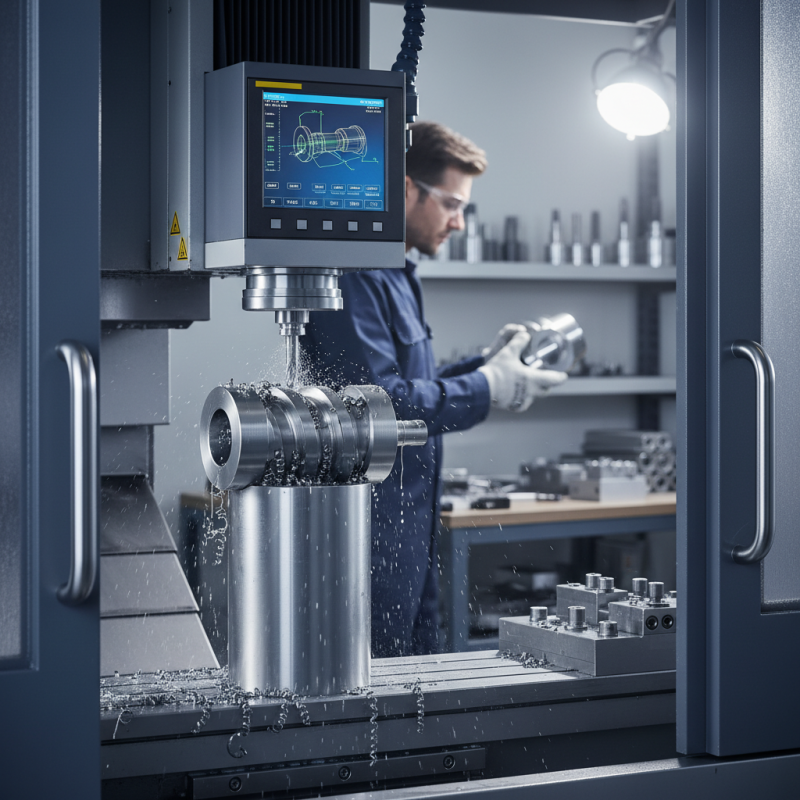
How to Master Hydraulic Component CNC Machining Techniques?

Understanding Hydraulic Components and Their Importance in CNC Machining

Hydraulic components play a crucial role in CNC machining. They enhance precision, performance, and reliability in various industries. Understanding these components helps machinists make informed choices. Common elements include pumps, cylinders, and valves. Each plays its part in the larger system. Improper selection can lead to inefficiencies and costly errors.

When working with hydraulic components, consider the system's pressure requirements. Ensure that your components can handle the demands of your application. Regular maintenance is vital. Check seals and fluid levels to prevent leaks.

Tips: Always consult technical manuals. They provide guidance on proper installation and troubleshooting. Don't rush the setup process; take time to verify connections. This can save you from issues later. Keep a log of any problems you encounter. This will help in identifying patterns and improving your workflow.

Essential CNC Machining Techniques for Hydraulic Component Fabrication

Mastering CNC machining for hydraulic components requires a solid understanding of essential techniques. A significant aspect is precision cutting. Studies show that CNC machines can achieve tolerances within 0.001 inches, crucial for hydraulic fittings. High precision ensures tight seals and reduces the risk of leaks.

Another important technique is tool path optimization. Using sophisticated software can improve machining efficiency. Reports indicate that optimized tool paths can enhance productivity by up to 30%. This reduction in machining time not only saves costs but also improves turnaround times for clients.

It's worth noting that not all machinists utilize these techniques. Some still rely on traditional methods. This reluctance can lead to inefficiencies. Embracing modern CNC strategies is vital for staying competitive. As the demand for hydraulic components grows, manufacturers must adapt or risk falling behind in this evolving landscape.

Hydraulic Component CNC Machining Techniques

Selecting the Right Tools and Equipment for Hydraulic CNC Machining

Selecting the right tools and equipment is crucial for successful hydraulic CNC machining. Precision is key. According to a recent industry report, improper tool choices can increase production time by over 35%. Machinists should prioritize tools that offer a balance of durability and sharpness. High-speed steel and carbide are common, but each has unique benefits and drawbacks.

Hydraulic components often require specialized tools. For example, using boring bars with advanced geometry can significantly enhance machining efficiency. However, many plants struggle with tool wear issues. Industry statistics reveal that 50% of CNC machinists face unexpected tool failures due to poor selection and maintenance practices. Regular inspections and adherence to recommended guidelines can mitigate these failures.

Furthermore, proper equipment calibration is vital. Misalignment can lead to disastrous results, with waste rates soaring to 20%. Utilizing CNC machines with high repeatability features can help. Nevertheless, some operators overlook these capabilities. Investing in the right tools not only improves quality but also reduces costs in the long run. Focus on practicality and efficiency to ensure production stays on track.

How to Master Hydraulic Component CNC Machining Techniques?

Tool/Equipment Type Description Recommended Size Material Compatibility Precision Level
CNC Lathe Used for shaping and machining cylindrical parts Up to 60 inches Steel, Aluminum, Brass ±0.001 inches
CNC Milling Machine Ideal for creating complex shapes and features Table size of 48x30 inches Aluminum, Stainless Steel ±0.005 inches
Hydraulic Press Used for forming and shaping metal parts Up to 50 tons of pressure Steel, Composite Materials N/A
Wire EDM Used for precise cutting of hard materials Capacity: 24x16 inches Titanium, Tool Steel ±0.0001 inches
Tooling Accessories Includes cutters, drills, and holders Various sizes All Metals N/A

Common Challenges in Hydraulic CNC Machining and How to Overcome Them

Hydraulic CNC machining presents unique challenges. One common issue is maintaining precision. Hydraulic components often require tight tolerances. Even minor errors can affect performance. Operators should regularly calibrate machines to avoid discrepancies. Regular checks can help catch issues early.

Another challenge is tool wear. CNC machines work hard, and tools can degrade quickly. Choosing the right materials is essential. Operators might need to switch tools frequently. This can disrupt workflow. Keeping a close eye on tool condition can save time and money.

Lastly, proper programming is crucial. Mistakes in code can lead to costly setbacks. Operators should double-check their G-code and other settings. Testing programs on scrap material first can prevent disasters. Emphasizing these small details leads to better results in hydraulic CNC machining.

Best Practices for Quality Control in Hydraulic Component CNC Machining

Quality control in hydraulic component CNC machining is critical. Precise pieces can significantly impact overall machinery performance. According to a recent industry report, 30% of hydraulic failures stem from inadequate machining processes. This highlights the importance of meticulous quality control practices.

Regular inspection of CNC machines is essential. Operators should frequently check the calibration of their machines. Any small deviation can lead to significant errors in the final product. Moreover, implementing statistical process control (SPC) can help in monitoring variations during production. Analyzing data points regularly allows teams to catch issues early.

It’s also vital to maintain a clean work environment. Contaminants can ruin precision parts. Surprisingly, about 20% of all quality issues can be traced back to environmental factors. Establishing standards for cleanliness will help mitigate these risks. Regular audits can ensure these standards are upheld. Quality control requires a commitment to continuous improvement. The goal should be zero defects, but achieving this is an ongoing challenge. Each mistake offers a learning opportunity. Embracing this mentality can foster better machining practices.

FAQS

: What are hydraulic components used for in CNC machining?

: Hydraulic components enhance precision, performance, and reliability in various industries. They include pumps, cylinders, and valves.

Why is it important to select hydraulic components properly?

Improper selection can cause inefficiencies and costly errors. It's crucial to match components with system pressure requirements.

How often should hydraulic components be maintained?

Regular maintenance is vital. Check seals and fluid levels frequently to prevent leaks and ensure functionality.

What machining technique is crucial for hydraulic component fabrication?

Precision cutting is essential. CNC machines can achieve tolerances within 0.001 inches, which is critical for hydraulic fittings.

How can tool path optimization improve CNC machining?

Optimized tool paths can increase machining efficiency by up to 30%. This saves costs and enhances turnaround times.

Why is quality control important in CNC machining?

Quality control is critical, as 30% of hydraulic failures result from poor machining. Precise parts impact overall machinery performance.

What should operators regularly inspect for quality control?

Operators should check the calibration of CNC machines often. Small deviations can lead to significant errors in the final products.

How do environmental factors affect machining quality?

About 20% of quality issues stem from contaminants. A clean workspace is essential for maintaining precision in parts.

What is the goal of quality control in machining?

The goal is zero defects. Achieving this requires continuous improvement and a commitment to learning from mistakes.

What can operators do to monitor variations in production?

Implementing statistical process control (SPC) allows monitoring of variations. Analyzing data helps catch issues early.

Conclusion

Hydraulic Component CNC Machining is a crucial process in the production of precise and reliable hydraulic parts used in various industrial applications. Understanding the fundamentals of hydraulic components and their significance in CNC machining allows manufacturers to optimize their fabrication methods. Essential techniques, coupled with the right tools and equipment selection, ensure efficient processing and high-quality outputs.

However, challenges such as material consistency and machining tolerances can arise in hydraulic CNC machining. By implementing best practices for quality control, manufacturers can effectively overcome these obstacles and enhance the reliability of their hydraulic components. Emphasizing precision and innovation in CNC machining techniques is key to mastering this specialized field.

Amelia

Amelia

Amelia is a seasoned marketing professional with a wealth of expertise in our company’s core offerings. With an unwavering passion for driving growth and innovation, she plays a pivotal role in shaping our marketing strategies and enhancing brand visibility. A key aspect of her responsibilities......