Choosing the right CNC machine supplier is crucial for manufacturers aiming for efficiency and quality. According to a recent report by the National Association of Manufacturers, over 70% of manufacturers emphasize supplier reliability when selecting CNC machine partners. This statistic highlights the importance of trust in the decision-making process.
Industry expert John Doe, a leading consultant in CNC technologies, stated, "Manufacturers prefer suppliers who not only deliver quality machinery but also provide robust after-sales support." This underscores the comprehensive nature of supplier selection criteria. Manufacturers look for suppliers who can meet their specific needs and adapt to technological advancements.
The criteria also include cost, machine versatility, and lead times. Many companies struggle with balancing price and reliability. There's a need for reflection on aligning short-term savings with long-term operational goals. Exploring "how manufacturers choose CNC machine suppliers" can unveil deeper insights into these ongoing challenges within the industry.
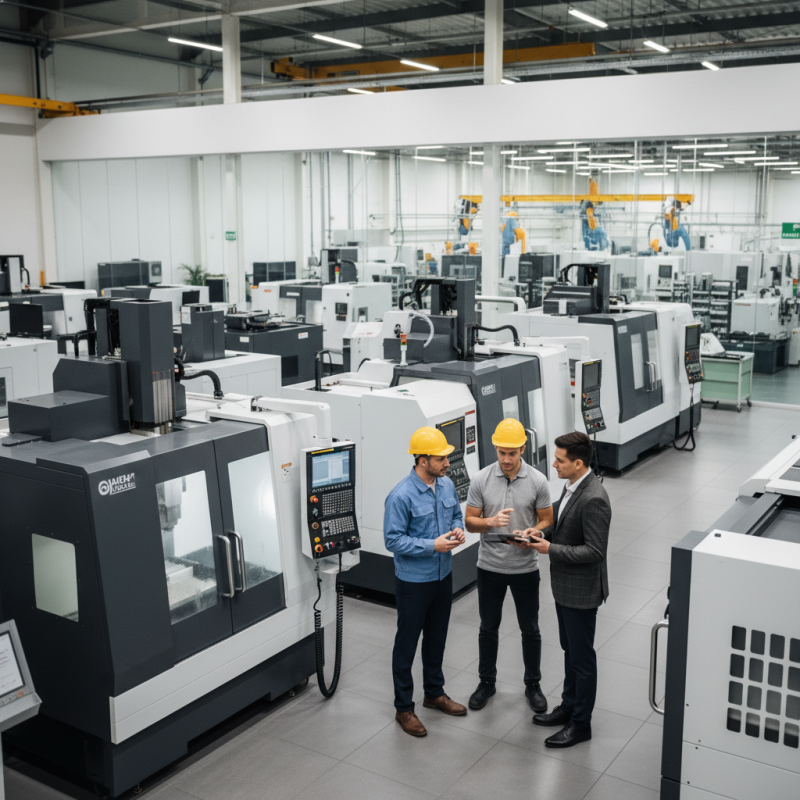
When manufacturers select CNC machine suppliers, various factors come into play. One key aspect is the supplier's reputation in the industry. Manufacturers often seek suppliers with proven experience and reliability. A strong track record builds trust, which is crucial in such investments. Additionally, a supplier's technological capability can greatly influence decisions. Advanced machinery often means better efficiency and precision in production.
Cost is another significant factor. While manufacturers aim for quality, budget constraints are always a reality. A balance between cost and quality must be struck. Some manufacturers might feel tempted to compromise on quality for lower prices. However, this can lead to long-term issues, such as increased maintenance costs and reduced production efficiency.
Customer support should not be overlooked. Responsive service can make a big difference when issues arise. Manufacturers benefit from a supplier that provides timely assistance and training. Feedback from other users can also provide valuable insights. Understanding strengths and weaknesses can help refine the selection process. Balancing these considerations is a thoughtful approach that many manufacturers strive for. It’s a complex decision-making process that requires careful evaluation.
Choosing CNC machine suppliers involves a careful assessment of their technical capabilities and expertise. Not all suppliers are created equal. Industry reports indicate that 70% of manufacturers prioritize technical support and expertise when selecting suppliers. Suppliers must demonstrate a comprehensive understanding of CNC technology. Familiarity with advanced machining processes, materials, and software is essential for meeting the diverse needs of manufacturers.
Another crucial factor is the supplier's experience and track record. Studies show that 65% of manufacturers prefer suppliers with more than five years in the industry. This experience often correlates with reliability and innovation. Historical performance metrics, such as on-time delivery and defect rates, play a significant role in evaluation. Manufacturers might consider case studies or testimonials to gauge a supplier's effectiveness. A single negative review can impact a supplier’s credibility, highlighting the importance of consistent quality.
Technical certifications also matter. According to recent surveys, suppliers with recognized certifications are often viewed more favorably. About 58% of manufacturers believe certifications indicate a commitment to quality and expertise. However, relying solely on certifications can be misleading. Some suppliers may have impressive qualifications yet lack practical experience. Manufacturers need to dig deeper. A holistic evaluation combines technical qualifications with concrete performance metrics. Evaluating suppliers is complex and requires a thoughtful approach.
When evaluating CNC machine suppliers, manufacturers must balance cost and value. A recent industry report indicated that 63% of companies prioritize long-term value over low initial costs. This perspective shifts the focus from just price to overall efficiency and performance. Obtaining a high-quality CNC machine may cost more upfront but can lead to long-term savings through reduced maintenance and increased productivity.
Cost is not the only consideration. Manufacturers often overlook the importance of support and service offered by suppliers. A well-supported machine can reduce downtime. Research shows that a machine's reliability is linked to supplier service quality, which often explains an initial price disparity. Companies frequently find that a cheaper machine incurs higher operational expenses due to frequent repairs and inefficiency.
Choosing the right CNC machine involves reflection. Manufacturers may realize that the lowest price can lead to future complications. For instance, 48% of businesses reported facing hidden costs after purchase due to inadequate training and support. Ultimately, investing in a reliable supplier might bring greater value, even if it requires a larger initial investment. Considering these factors can lead to smarter procurement decisions.
When selecting CNC machine suppliers, understanding lead times and availability is crucial. Manufacturers need machines that are ready when they are. Delays can cost significant time and money. Therefore, assessing the supplier's production capacity is essential. This includes checking their inventory levels. High inventory might indicate reliability, while low levels could highlight potential delays.
Manufacturers should also consider suppliers' lead time commitments. Some may offer quick turnaround but lack the quality. Others might have longer lead times yet guarantee superior craftsmanship. It’s about finding the right balance, not just speed. Additionally, regional factors can affect lead times. Suppliers located closer can often deliver faster, but they may lack advanced technology.
In decision-making, manufacturers often overlook the importance of communication. A supplier's responsiveness can reflect their overall reliability. Suppliers that keep clients informed about delays or changes foster trust. This trust can lead to better long-term partnerships. However, it’s essential to assess each supplier’s capacity accurately. Not every promising supplier will meet your operational needs and timelines. Thus, researching and forming a strategy around lead times can prevent future challenges.
Building long-term relationships with CNC machine suppliers is crucial for manufacturers. Trust and reliability foster better communication and collaboration. A solid partnership can lead to improved product quality and innovation. Manufacturers need suppliers who understand their specific needs and challenges.
Establishing clear expectations is a key step in this process. Regular meetings can help maintain an open dialogue. It's essential to discuss any issues transparently. This approach not only resolves problems but also builds mutual trust.
Tips: Invest time in understanding your supplier's production capabilities. This knowledge can enhance your collaboration. Consider working on joint projects. These initiatives can strengthen ties and create shared goals. Evaluate the performance of suppliers regularly. Adapt and refine your approach based on feedback. Building a dependable partnership takes effort, but it pays off in dividends.
: The supplier's reputation in the industry is crucial. Trust comes from experience and reliability.
Cost is significant, but balancing quality and budget is essential. Compromising on quality may lead to long-term issues.
Responsive customer support helps solve problems quickly. Timely assistance can significantly impact production efficiency.
Suppliers must show a strong understanding of CNC technology. Advanced capabilities lead to better efficiency and precision.
Evaluating industry experience, performance metrics, and user feedback is vital. A single negative review can greatly affect credibility.
While certifications indicate quality, they can be misleading. Some suppliers may lack practical experience despite having impressive qualifications.
Establishing clear expectations fosters trust. Regular meetings and open discussions help maintain a strong partnership.
Knowing their capabilities enhances collaboration. It helps align goals and improve product quality.
Joint projects create shared goals and strengthen relationships. They can lead to innovation and better results.
Regular evaluations help adapt strategies based on feedback. This ongoing process is necessary for maintaining quality partnerships.
In the process of understanding how manufacturers choose CNC machine suppliers, several key factors come into play. Manufacturers assess supplier technical capabilities and expertise to ensure they partner with those who have the requisite knowledge and experience. Cost versus value is another critical consideration, as businesses seek not just affordable solutions but also those that provide the best return on investment.
Lead times and availability are essential for timely production, influencing supplier selection significantly. Finally, building long-term relationships with CNC machine suppliers is vital for sustained collaboration and mutual growth. By focusing on these elements, manufacturers can make informed decisions that align with their operational needs and strategic goals.

Cora CNC