High-speed machining (HSM) is gaining traction in various industries due to its significant advantages. A recent report by Grand View Research indicates the global high-speed machining market is projected to reach $1.6 billion by 2028, with a compound annual growth rate of over 7%. This growth is attributed to the demand for high-precision components in aerospace and automotive sectors. Industry expert Dr. John Smith states, “The efficiency of high-speed machining allows manufacturers to reduce cycle times and improve production standards.”
The question arises: why high-speed machining is becoming more popular? One factor is its ability to enhance productivity while maintaining quality. Manufacturers seek methods that minimize costs and maximize outputs. Research shows that HSM can boost material removal rates by up to 300%, showcasing its potential. However, this technology does require investment in advanced equipment and skilled operators, raising challenges for smaller enterprises.
Despite these obstacles, the advantages of high-speed machining are compelling. Companies that adopt this technology often see improved operational efficiency and reduced lead times. The balance between investment and return remains essential. As industries evolve, understanding why high-speed machining is becoming more popular is crucial for staying competitive in today’s market.
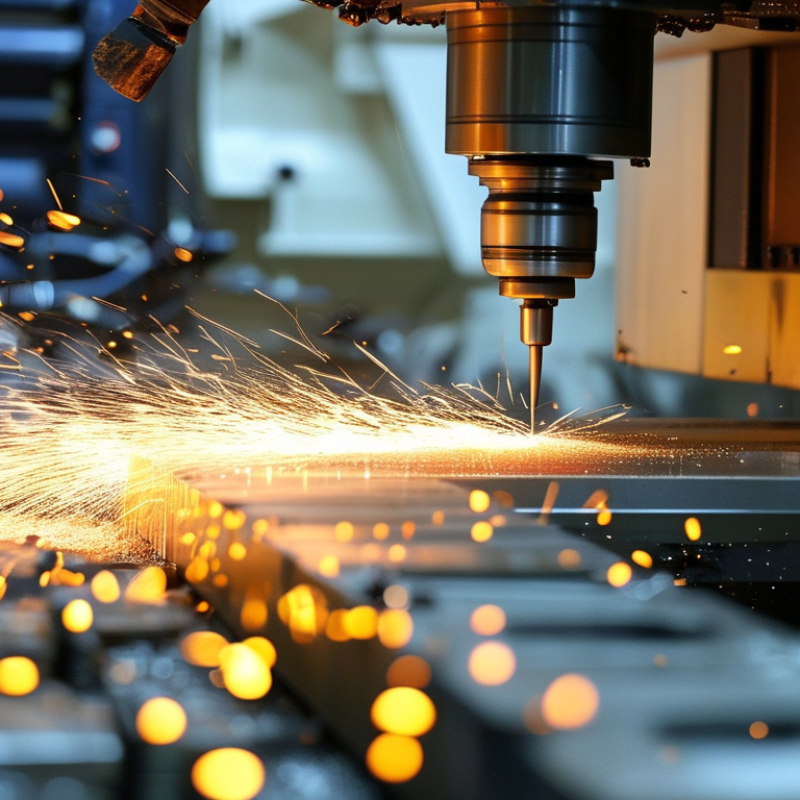
High-speed machining (HSM) offers numerous benefits that significantly enhance manufacturing efficiency. This method utilizes advanced technology to increase the speed of cutting processes, which leads to higher productivity. By minimizing cycle times, manufacturers can produce parts faster, allowing for quick turnaround and better market responsiveness.
Tips: Optimize tool selection for high-speed operations. Proper tooling can improve surface finish and prolong tool life. Experiment with different cutting speeds to find the most efficient settings for your materials.
Another notable advantage is reduced wear on machines. High-speed operations generally involve lighter cuts, leading to less heat generation. This can prolong machine life and reduce maintenance costs. However, it requires careful calibration. Mismanagement may lead to tool flickering or damage if not monitored closely.
Tips: Schedule regular maintenance checks. Consistent upkeep can prevent unexpected downtimes. Train operators to spot early signs of wear and tear.
High-speed machining can lead to remarkable accuracy. It allows for tighter tolerances and better repeatability in production. However, achieving this precision requires skilled operators familiar with both the technology and the materials being machined. Inaccuracies can occur if setup procedures are not followed meticulously.
: HSM is a manufacturing method that uses advanced technology for faster cutting processes, enhancing productivity.
HSM minimizes cycle times, allowing manufacturers to produce parts quickly, improving market responsiveness.
Optimize tool selection to improve surface finish and prolong tool life; experiment with cutting speeds.
Yes, lighter cuts in HSM generate less heat, potentially extending machine life and reducing maintenance costs.
Regular maintenance checks and operator training are crucial to prevent unexpected downtime and wear.
HSM allows for finer surface finishes and tighter tolerances, especially crucial in industries requiring high precision.
Yes, there may be initial investment costs and challenges in adopting the necessary technology for high-speed operations.
Skilled operators are essential for achieving precision and effectively managing setup procedures, ensuring high-quality results.
Tool wear must be monitored as high speeds can lead to quick degradation, impacting production quality.
HSM often requires less cutting tool material, which minimizes waste and contributes to cost savings over time.
High-speed machining is gaining traction in the manufacturing sector for several compelling reasons. One major factor is the significant improvement in manufacturing efficiency that it provides, enabling faster production cycles and reduced lead times. Furthermore, advancements in technology have played a crucial role, with more sophisticated machinery and tools paving the way for seamless integration of high-speed processes.
Additionally, high-speed machining proves to be more cost-effective compared to traditional methods, offering manufacturers a better return on investment through reduced material waste and improved operational productivity. The enhanced precision and quality of the products produced through this method also contribute to its rising popularity. As industries continue to evolve, the trends suggest that high-speed machining will play an increasingly vital role in the future of manufacturing. These factors clearly illustrate why high-speed machining is becoming more popular among manufacturers seeking competitive advantages in a fast-paced market.

 Cora CNC