When considering the purchase of CNC machines, understanding what factors affect CNC machine performance is crucial. These machines play a vital role in modern manufacturing. A report by the International Federation of Robotics (IFR) indicated that the global market for CNC machines is expected to reach $100 billion by 2025. However, buyers must navigate complex variables that influence machine efficiency and output quality.
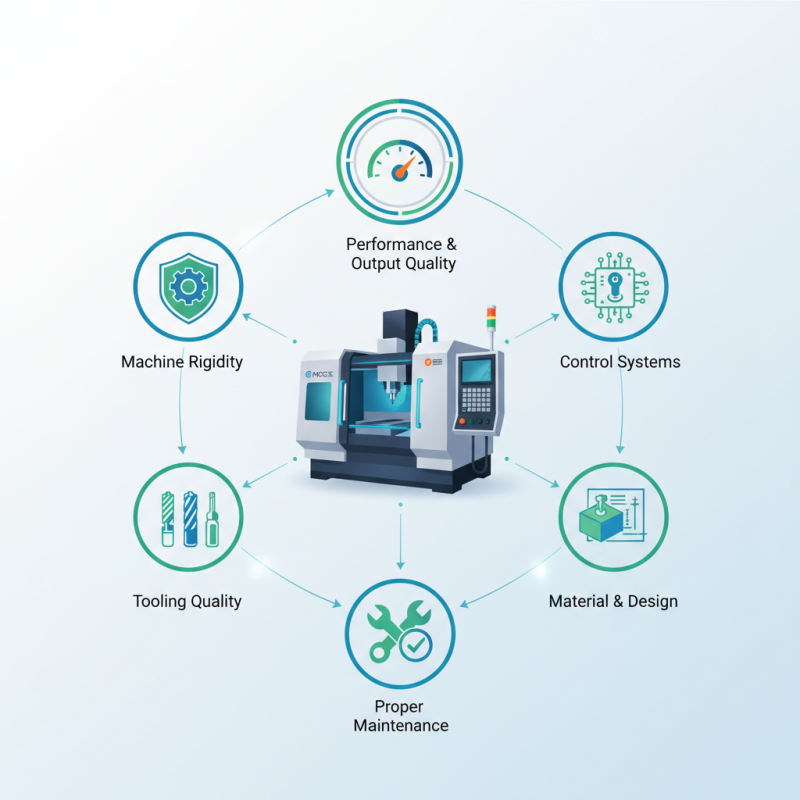
Experts in the field, like Dr. Mark Williams from the Manufacturing Technology Institute, emphasize that “the performance of CNC machines hinges on several interconnected factors.” These include the machine's rigidity, control systems, and tooling quality. The choice of material and design also significantly impacts outcomes. For instance, a rigid machine can tolerate higher cutting speeds and provide more precise results, ultimately affecting productivity.
Moreover, many buyers overlook the importance of proper maintenance. Neglecting this can lead to decreased performance over time. As machines age, consistent wear can influence their operational capabilities. Recognizing these nuances is essential for making informed decisions. In an evolving industry, understanding these factors becomes vital for securing a competitive edge.
When considering CNC machine specifications and features, buyers must focus on critical aspects. The machine's rigidity plays a pivotal role in performance. A rigid machine reduces vibrations, ensuring a better finish on parts. However, achieving perfect rigidity can be challenging. Some machines sacrifice weight for speed, which might affect stability.
The spindle speed is another vital factor. Higher speeds often lead to quicker cutting times. However, speed can impact tool wear. Finding a balance between speed and durability is essential. Additionally, the machine’s control system should be user-friendly. Complex interfaces can lead to mistakes, frustrating users. It’s important for operators to have adequate training to maximize the machine's capabilities.
While considering these features, keep in mind the importance of maintenance. Regular checks enhance longevity. However, many users neglect this aspect. It's easy to overlook routine upkeep, leading to reduced performance. Buyers should reflect on their operational needs and limitations. Understanding these specifications deeply can lead to more informed decisions.
| Specification/Feature | Description | Impact on Performance | Average Value |
|---|---|---|---|
| Spindle Speed | The maximum rotational speed of the spindle in RPM. | Higher speeds can improve productivity and finish quality. | 10,000 RPM |
| Rapid Traverse Rate | The speed at which the machine moves between cuts. | Enhances efficiency by reducing non-cutting time. | 20 m/min |
| Tool Change Time | Time taken to switch between tools. | Shorter times improve overall cycle time. | 3 seconds |
| Maximum Workpiece Size | The largest dimensions for a workpiece that the CNC can accommodate. | Impacts the types of projects that can be undertaken. | 500 x 500 x 500 mm |
| Accuracy | The degree to which the machine can produce dimensions that are true to the design. | High accuracy is crucial for precision engineering. | ±0.01 mm |
| Power Consumption | Total energy used while the machine is operating. | Lower power consumption can reduce operational costs. | 5 kW |
: Machine design significantly impacts performance by determining cutting precision and minimizing vibrations.
Common materials include aluminum for lightness and steel for strength. Each has trade-offs.
An intuitive user interface enhances operator efficiency. Complex designs can frustrate users and hinder productivity.
Quality tooling and accessories are crucial for precision and efficiency, impacting overall machining productivity.
Vises and clamps must hold the workpiece securely to prevent errors and waste during operations.
Neglecting tool maintenance leads to wear, decreased performance, and costly downtimes.
Always evaluate the specific requirements of each project to determine suitable tooling options.
Implement a tracking system for tool wear to schedule replacements and maintain consistent operations.
Not every project needs premium tools. Assess your requirements to avoid unnecessary costs.
Improper workholding may lead to errors and account for significant machining time loss.
When considering what factors affect CNC machine performance, several key elements come into play. First, understanding CNC machine specifications and features is essential, as these determine the machine's capabilities and its suitability for specific tasks. Additionally, the design of the machine greatly impacts its operational efficiency, influencing how well it can perform under various conditions.
Another critical factor is the type of materials being machined; different materials can significantly alter performance outcomes. Furthermore, tooling and accessories also play a vital role, as they directly affect the precision and quality of the machining process. Lastly, regular maintenance practices are essential for ensuring optimal functionality and longevity of the machine, thereby directly affecting overall performance. Collectively, these factors provide a comprehensive framework for buyers seeking to maximize CNC machine efficiency.

 Cora CNC