In recent years, the manufacturing industry has undergone a significant transformation. Digital manufacturing technologies are at the forefront of this change. They have become crucial in redefining how digital manufacturing changes machine tool operations. Companies are leveraging advanced software, automation, and data analytics to improve efficiency and precision.
Digital tools allow for real-time monitoring of equipment and processes. This advancement enables manufacturers to reduce downtime and increase productivity. Machine tools are now smarter, integrating sensors and data analytics for predictive maintenance. However, not all companies have adapted successfully. Some still rely on traditional methods and face challenges in implementing new technologies.
The journey is not without obstacles. Adopting digital manufacturing requires investment and training. It also raises questions about cybersecurity and data management. As the industry evolves, companies must balance innovation with these practical concerns. Embracing change is essential for remaining competitive in this fast-paced environment.
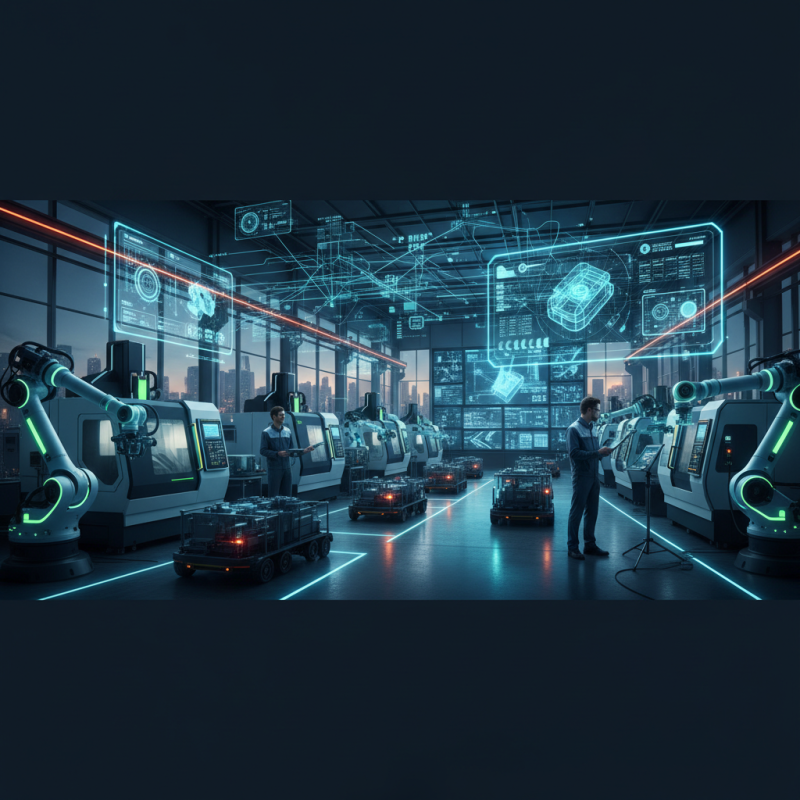
The transition from traditional to digital manufacturing in machine tool operations is a game changer. Digital technologies such as IoT and AI are redefining how machines communicate and operate. In a traditional setting, machines frequently operate in isolation. This can lead to inefficiencies and increased downtime. In contrast, digital manufacturing creates interconnected systems, which enhance productivity.
Digital tools provide real-time data, allowing operators to make informed decisions quickly. For example, predictive maintenance alerts users before a machine breaks down. This reduces unexpected interruptions. However, not all companies are prepared. Some face challenges like integrating new technologies with existing systems. The learning curve can slow down initial implementation.
Despite its benefits, digital manufacturing isn't perfect. Cybersecurity threats are a growing concern as machines become more connected. Companies need to prioritize protecting their data. Additionally, employee training is essential. Workers must adapt to these new technologies. This can create resistance or anxiety. A thoughtful approach is necessary to navigate this transition effectively.
Digital manufacturing is revolutionizing machine tool operations by integrating advanced technologies. Key technologies such as the Internet of Things (IoT), artificial intelligence, and big data analytics are at the forefront of this transformation. These tools improve efficiency, enhance precision, and reduce downtime. In a typical machine tool environment, IoT devices collect real-time data from machines. This data helps operators monitor performance and identify issues promptly.
Artificial intelligence also plays a critical role. AI algorithms analyze data patterns, optimizing machine settings for better outcomes. This process not only increases productivity but can also lead to unexpected challenges. For instance, reliance on AI may reduce human oversight, sometimes resulting in errors. Furthermore, data security becomes a pressing concern, as the more connected systems become, the more vulnerable they are to cyber threats.
Big data analytics empowers companies by providing insights into their operations. Companies can spot trends or inefficiencies that might otherwise go unnoticed. However, this requires a cultural shift. Employees must adapt to data-driven decision-making. The transition may not be smooth. Questions arise about job roles in increasingly automated environments. Balancing technology’s benefits with human oversight is essential for sustainable growth.
The integration of IoT and AI in digital manufacturing is reshaping machine tool operations. By connecting machines and utilizing real-time data, manufacturers can enhance decision-making. IoT devices monitor machine performance, enabling predictive maintenance. This preemptive insight minimizes downtime and optimizes resource allocation.
AI analytics further boost efficiency. They analyze vast data sets quickly, uncovering patterns that humans might overlook. For instance, AI can identify optimal production times and suggest adjustments to reduce waste. However, the reliance on technology introduces challenges. Data security becomes a pressing concern, and teams need to be trained continuously to handle these advanced tools.
Moreover, implementing these technologies can be costly and complex. Companies must weigh the benefits against the initial investments and potential disruptions during the transition. The journey toward digital transformation requires an open mindset and a willingness to adapt. Ultimately, while IoT and AI can significantly enhance productivity, the path to achieving this potential necessitates careful planning and consideration.
Data-driven decision-making is revolutionizing machine tool production. By leveraging large sets of data, manufacturers can enhance precision and reduce waste. Real-time data analytics provide insights into machine performance. Operators can make informed adjustments quickly. This can lead to improved accuracy in the machining process.
However, implementing these systems can pose challenges. Many facilities still rely on outdated methods. Transitioning to a data-driven approach requires training and investment. Without proper integration, the potential of data may remain untapped. It’s crucial to analyze both the strengths and weaknesses of existing processes.
As companies adopt advanced technologies, the human element cannot be overlooked. Skilled operators must interpret data effectively. Balancing technological advancements with human expertise is essential. This synergy can elevate operational standards. Continuous feedback loops will help refine techniques. It is a journey, not an end point.
| Metric | Before Digital Transformation | After Digital Transformation | Percentage Improvement |
|---|---|---|---|
| Production Downtime (Hours/Month) | 120 | 30 | 75% |
| Product Defect Rate (%) | 8 | 2 | 75% |
| Average Lead Time (Days) | 20 | 10 | 50% |
| Machine Utilization (%) | 60 | 90 | 50% |
| Inventory Turnover (Times/Year) | 4 | 6 | 50% |
Digital manufacturing is changing machine tool operations. A case study from a medium-sized factory shows significant improvements. After adopting digital techniques, the facility reduced machine downtime by 25%. This was achieved through real-time data tracking and predictive maintenance strategies.
Another example involves a company that integrated IoT sensors into their machines. They reported a 15% increase in production efficiency within just six months. These sensors provided instant feedback, allowing operators to make quick adjustments. However, not all implementations go smoothly. Some faced data overload issues. Without proper analysis, valuable insights can be lost.
The transformation process is not always seamless. Staff training is crucial for success. Many employees felt overwhelmed by new technologies. Regular workshops proved effective in easing the transition. Still, resistance to change is common. Understanding the human factor is key in overcoming these challenges.
: The shift from traditional to digital manufacturing is a significant change. It enhances efficiency and communication between machines.
Digital tools provide real-time data, allowing operators to make informed decisions quickly and minimize downtime.
Predictive maintenance alerts users about potential machine breakdowns before they happen, reducing unexpected interruptions in operations.
No, many companies face challenges integrating new technologies with existing systems. The learning curve can slow down implementation.
Cybersecurity threats are a major concern as more machines connect. Companies need to protect their data effectively.
AI analyzes data and optimizes machine settings, improving productivity. However, it may reduce human oversight and lead to errors.
Employees must adapt to new technologies. Training helps prevent resistance and anxiety among workers.
Big data analytics provides insights into operations. Companies can identify trends and inefficiencies that might go unnoticed.
Employees must embrace data-driven decision-making. This shift can be challenging and may lead to questions about job roles.
Yes, increased reliance on technology can sometimes create errors and complicate human oversight. Striking a balance is crucial.
Digital manufacturing is revolutionizing machine tool operations by transitioning from traditional methods to more efficient digital processes. This shift is fueled by key technologies such as the Internet of Things (IoT) and artificial intelligence (AI), which enhance machine tool efficiency and productivity metrics. By leveraging real-time data and advanced analytics, manufacturers can adopt data-driven decision-making, significantly improving precision in production.
Through various case studies, we can see how digital manufacturing changes machine tool operations, leading to better resource management and optimized workflows. The integration of these technologies not only enhances operational efficiency but also empowers manufacturers to respond swiftly to market demands, resulting in higher quality products and improved competitiveness in the industry.

Cora CNC