In today’s competitive manufacturing landscape, precision is paramount. Entrepreneurs and engineers often seek effective solutions to enhance machining accuracy. One of the most significant advancements lies in how digital control improves machining precision. This technology integrates software with hardware, enabling real-time adjustments during the machining process.
The use of digital control systems has transformed traditional machining. These systems monitor variables like speed, temperature, and tool wear. As a result, manufacturers can achieve consistent quality. Yet, the implementation of these systems is not without challenges. Operators must be trained to use advanced software effectively. Understanding the nuances of this technology can be daunting.
Digital control enhances precision, yet it requires collaboration across various departments. It’s crucial for engineers to work closely with operators to align expectations. Improvements in machining precision are often gradual, demanding a commitment to continuous learning. This collaboration fosters innovation, but it also highlights areas for potential growth and reflection. Overall, digital control represents a pivotal advancement in machining processes, bridging the gap between traditional methods and modern technology.
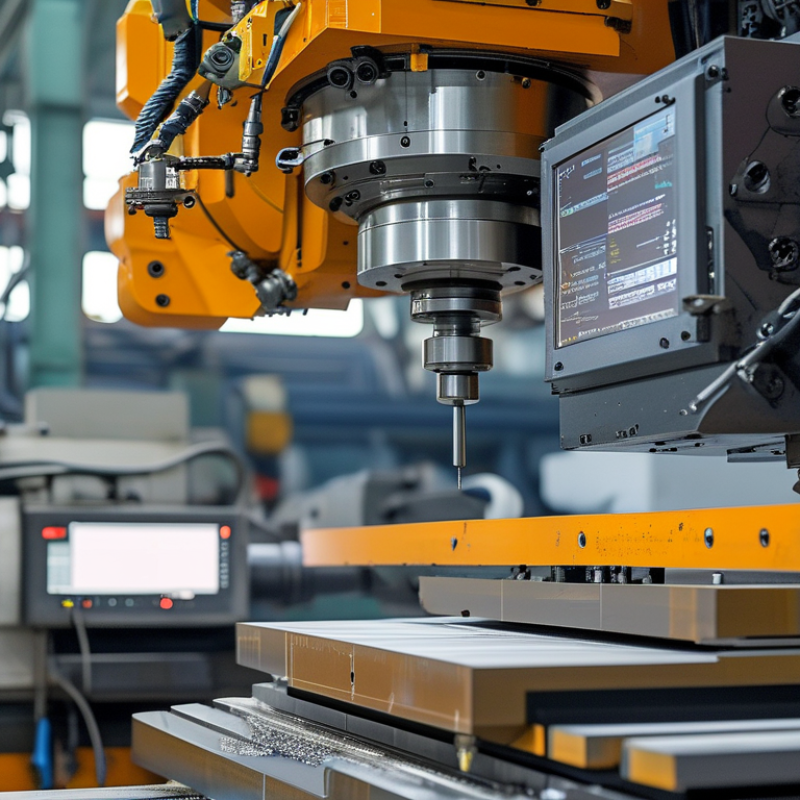
Digital control systems play a pivotal role in machining, enhancing precision significantly. These systems manage complex operations through algorithms and sensors. They ensure that machines operate within the specified parameters, reducing errors and improving output quality. Precision is critical in every machining process, from cutting to milling. Digital controls allow for real-time adjustments, enhancing efficiency.
However, implementing digital control systems is not without challenges. Initial setup can be time-consuming and may require specialized training for operators. Some technicians may find it difficult to adapt to a new system. Maintenance is crucial, as neglect could lead to performance degradation. Despite these hurdles, the benefits of improved precision and reduced scrap rates often outweigh the drawbacks.
Machining precision is essential for industries such as aerospace and automotive. Here, even minute inaccuracies can lead to costly failures. Digital control systems offer a pathway to achieving high standards. When used correctly, they can transform machining processes, but it is vital to continuously evaluate their effectiveness. Adjustments may be necessary to ensure optimal performance over time.
In modern machining processes, precision is critical for maintaining competitive advantages. Digital control technologies enhance accuracy through advanced algorithms and data analytics. According to recent industry reports, implementing closed-loop control systems can boost machining precision by up to 30%. This is significant, particularly in sectors requiring tight tolerances, like aerospace and automotive manufacturing.
One key technique is adaptive control systems. These systems adjust machining parameters in real-time based on feedback from sensors. A study indicated that using adaptive control reduced production waste by 15%. However, integrating such technologies requires careful planning and expertise. Not all facilities have the infrastructure to support these systems effectively.
Data-driven decision-making is another essential strategy. Utilizing big data and machine learning allows for deeper insights into machining processes. An analysis from a leading industry group noted that data analytics could result in a 25% increase in operational efficiency. Despite these advantages, companies often struggle with data integration and interpretation. It's vital to address these challenges to fully leverage the benefits of digital control in machining.
The integration of sensors and feedback mechanisms in digital control systems is transforming machining precision. According to recent industry reports, companies that utilize advanced sensor technology see a 25% increase in production efficiency. This improvement largely comes from real-time data collection, which enables manufacturers to adjust machining processes instantly.
Feedback mechanisms play a crucial role in this context. By employing closed-loop control systems, operators can reduce machining errors significantly. Data suggests that this approach can lead to a 30% decrease in variability during production runs. However, challenges remain. Not all sensors provide consistent, accurate data, leading to potential discrepancies in control settings. Continuous monitoring is essential to ensure that the system operates optimally.
Furthermore, the cost of sensor implementation can be a barrier for many manufacturers. Despite the long-term benefits, the initial investment might not seem justifiable. Companies must evaluate their unique needs and capabilities before integration. A thoughtful approach helps in harnessing the full potential of digital control technologies without overspending.
Adaptive control strategies are transforming the landscape of machining precision. By continuously monitoring and adjusting operational parameters, these techniques optimize the machining process in real-time. According to recent industry reports, adaptive control systems can enhance machining accuracy by up to 40%. This significant improvement is rooted in the system's ability to respond to varying conditions, such as tool wear and material changes, ensuring consistent product quality.
The implementation of adaptive control not only boosts precision but also enhances productivity. Advanced algorithms analyze feedback from machining operations, allowing for immediate adjustments. For instance, a survey indicated that facilities employing adaptive control achieved a 30% reduction in cycle times. However, the technology comes with challenges. Not all organizations have the expertise to effectively integrate these systems. Misconfigurations can lead to increased errors, negating potential benefits.
While adaptive strategies offer great promise, a careful evaluation of processes is essential. Teams must assess their current capabilities and readiness to adopt these systems. The constant evolution of machining technologies means that organizations must invest in training. Without proper implementation and understanding, the hurdles of adaptive control may outweigh the advantages it brings. Embracing these strategies could be powerful, but organizations should tread thoughtfully.
| Technique | Description | Benefits | Application |
|---|---|---|---|
| Adaptive Feed Rate Control | Adjusts the feed rate in real-time based on the cutting conditions and material removal rates. | Increased tool life and improved surface finish. | Used in CNC machining of complex geometries. |
| Intelligent Tool Path Optimization | Uses algorithms to determine the most efficient machining paths. | Reduces machining time and energy consumption. | Applicable in high-volume production settings. |
| Real-Time Monitoring Systems | Monitors cutting conditions like temperature and vibrations in real-time. | Early detection of tool wear, enabling proactive maintenance. | Ideal for automated machining environments. |
| Fuzzy Logic Control Systems | Incorporates fuzzy logic to handle uncertainties in machining processes. | Enhanced decision-making capabilities under varying machining conditions. | Useful in machining operations with unpredictable conditions. |
| Process Feedback Control | Adjusts machining parameters based on feedback from the process. | Improves machining accuracy and consistency. | Applicable in precision machining applications. |
Digital control is transforming the machining industry, driving advancements in precision. Developing systems can improve accuracy significantly. Reports indicate that precision machining can achieve tolerances of just ±0.001 mm with modern digital control technologies.
Looking ahead, automation and machine learning will play crucial roles. Industry forecasts suggest that integrating AI into CNC systems can enhance real-time decision-making. A recent study indicates that AI can reduce machining errors by 30%. Yet, data security and algorithm bias present challenges. Trust in digital systems is vital for widespread adoption.
As techniques evolve, the machining sector must adapt. The shift towards smart manufacturing introduces complexity. Not all facilities can implement these changes effectively. Understanding the limitations of current technology will be essential in ensuring seamless integration. Continuous training and adaptation will be required to maintain competitive advantages in an increasingly digital landscape.
: They enhance precision by managing complex operations through algorithms and sensors, improving output quality significantly.
Initial setup can be time-consuming and may require specialized operator training, which some technicians may struggle with.
Maintenance is crucial; neglect can lead to performance degradation, affecting overall machining accuracy.
In these sectors, minute inaccuracies can lead to costly failures, making high accuracy essential for safety and performance.
They enable real-time data collection, leading to a 25% increase in production efficiency and allowing for instant adjustments.
It employs feedback mechanisms to reduce machining errors and can lead to a 30% decrease in variability during production.
Not all sensors provide consistent data, which can create discrepancies in control settings and impact overall performance.
Automation and machine learning are set to enhance real-time decision-making, improving accuracy and efficiency in machining processes.
The initial investment can be a barrier, making it essential for companies to evaluate their needs and capabilities carefully.
As technology evolves, ongoing training helps staff adapt and maintain competitive advantages in an increasingly digital manufacturing landscape.
The article "Digital Control Best Techniques for Improving Machining Precision" provides a comprehensive overview of how digital control improves machining precision through various advanced techniques. It begins by discussing the fundamental role of digital control systems in machining processes, highlighting their importance in achieving high precision. Key techniques identified for enhancing precision include the integration of sensors and feedback mechanisms that facilitate real-time monitoring and adjustments.
Further, adaptive control strategies are examined as a means to continuously optimize machining performance, enabling systems to respond to dynamic changes during the manufacturing process. Finally, the article explores future trends in digital control technologies, which are poised to further advance machining precision, underscoring the ongoing evolution of digital systems in manufacturing environments.

Cora CNC