How CNC Turning Differs from Conventional Turning in 2026 Fair?

Time:2026-03-27 Author:Sienna
0%

In the dynamic landscape of the 2026 Fair, technology takes center stage. The theme highlights advanced manufacturing, a key area where "how CNC turning differs from conventional turning" emerges as a pressing topic. CNC (Computer Numerical Control) turning revolutionizes the manufacturing process with automation and precision. Meanwhile, conventional turning relies on manual input, involving more human oversight.

Visitors will explore the benefits of CNC turning, such as enhanced efficiency and reduced production time. In contrast, conventional methods may appear simpler but often yield inconsistent results. The integration of AI technology at the fair also raises questions about the future of these methods. How will CNC turning continue to evolve? Are there limitations that conventional turning does not face?

Participants at the fair will witness firsthand how industry leaders approach these differences. They will engage with suppliers who employ both methods, assessing which might suit their needs best. This discussion is essential in a rapidly changing market, reflecting on both the advantages and shortcomings of each turning method. The nuances of these manufacturing techniques are crucial for businesses aiming to stay relevant in an increasingly competitive environment.
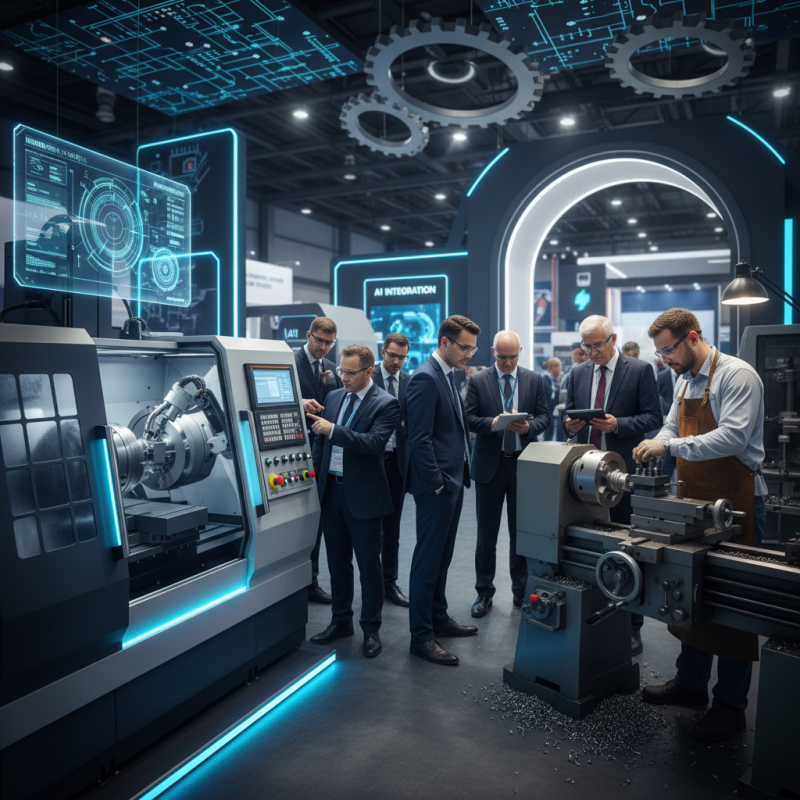
How CNC Turning Differs from Conventional Turning in 2026 Fair?

How CNC Turning Revolutionizes Precision in 2026

CNC turning has transformed the manufacturing landscape. Unlike conventional turning, CNC machines automate the process. This leads to improved precision and efficiency. In 2026, the advancements are significant. Operators now rely on sophisticated software to program intricate designs. This reduces material waste and increases production speed.

The precision achieved is remarkable. Complex shapes that were once difficult to produce are now routine. Features like tight tolerances and fine finishes are standard. However, these machines require skilled operators to maximize their potential. Misprogramming can lead to errors, impacting the final product. Regular training and updates are necessary for success.

Despite the benefits, challenges remain. Machine maintenance is crucial to prevent downtime. Operators must be vigilant about tool wear. Adjustments are often needed for different material types. The learning curve can be steep for newcomers. Yet, the revolution in precision manufacturing continues to unfold.

Comparison of CNC Turning and Conventional Turning Precision in 2026

This chart compares the precision levels of CNC turning and conventional turning processes in the year 2026. CNC turning is shown to have a precision of 95%, significantly higher than the 75% precision achieved by conventional turning methods, highlighting the advancements in technology and accuracy in modern manufacturing.

Key Differences Between CNC and Conventional Turning Techniques

CNC turning and conventional turning are two distinct machining techniques. CNC stands for Computer Numerical Control. It automates the turning process, enhancing precision and efficiency. Conventional turning relies heavily on manual input. This can sometimes lead to variability in the results.

One key difference is the level of automation. CNC turning allows operators to control the machine via computer software. This reduces human error significantly. On the other hand, conventional turning requires constant supervision. This can be tiring for operators, especially during long production runs.

Another difference is design flexibility. CNC machines can execute complex shapes that conventional lathes cannot achieve easily. This offers a creative edge, though it may require advanced programming skills. However, if the programming isn't done correctly, it could lead to errors. While CNC technology is powerful, it demands careful consideration.

Advantages of CNC Turning Over Traditional Methods

CNC turning offers several advantages over traditional methods. One of the primary benefits is precision. CNC machines can perform intricate designs with high accuracy. This level of precision minimizes errors, reducing the need for rework. In a competitive market, this efficiency saves time and resources.

Another significant advantage is automation. CNC turning allows for continuous production without constant human supervision. This automation reduces labor costs and enhances productivity. Operators can focus on other essential tasks while the machine runs. However, there's a learning curve associated with operating CNC equipment. Proper training is crucial to maximize these benefits.

Despite these advantages, some may find traditional methods appealing for certain tasks. Conventional turning can be simpler for small-scale projects. It often requires less initial investment. Yet, for larger productions, CNC turning clearly shines. Balancing both approaches can be beneficial, depending on project needs. The key lies in understanding the strengths and weaknesses of each method.

Applications of CNC Turning in Modern Manufacturing

CNC turning has transformed the landscape of modern manufacturing. This advanced technology allows for precise shaping of materials, enhancing product quality. In various industries, CNC turning is crucial for producing intricate parts. High accuracy reduces waste and improves efficiency. Many manufacturers now rely heavily on CNC processes for their production needs.

The applications of CNC turning are vast. Aerospace components require extreme precision that CNC turning can deliver. Medical devices also benefit greatly from this technology. Producing complex shapes is no longer a challenge. However, some manufacturers might still cling to traditional methods. This hesitation can stem from a lack of understanding or fear of change. While conventional techniques have their place, they often fall short of the demands of modern production.

In the automotive industry, CNC turning plays a vital role. Engine parts, shafts, and valve bodies are commonly produced using CNC machines. They provide consistency that manual methods struggle to match. Despite these advantages, some companies face difficulties adapting to this technology. Training employees becomes essential but often overlooked. Embracing CNC turning requires a willingness to learn and adapt, which is not always easy.

How CNC Turning Differs from Conventional Turning in 2026 Fair? - Applications of CNC Turning in Modern Manufacturing

Feature CNC Turning Conventional Turning
Automation Level High Low
Precision High (±0.001 mm) Moderate (±0.005 mm)
Setup Time Short Long
Production Speed Fast Slow
Complexity of Parts High Low
Material Versatility Wide Range Limited
Programming Requires CAD/CAM Manual Adjustment

Future Trends in CNC Turning Technology for 2026 and Beyond

CNC turning technology is evolving quickly. By 2026, several trends will shape the industry. Automation will play a major role. Reports indicate that automated processes can reduce production time by 30%. This shift allows for faster turnaround and fewer human errors.

In addition to automation, customization will be key. Customers demand more tailored products. CNC turning offers flexibility to create unique designs. A recent study shows that 70% of manufacturers are investing in custom solutions. This trend reflects a broader shift toward personalized manufacturing. Yet, challenges remain in balancing automation with manual skill. Over-reliance on machines could diminish craftsmanship.

Sustainability is also on the rise. Many companies aim to reduce waste. CNC turning can minimize material usage by up to 50%. However, the energy consumption of machines is still a concern. Companies must find ways to optimize energy use without sacrificing quality. The future of CNC turning holds promise, but it requires careful navigation of these evolving challenges.

FAQS

: What is CNC turning?

: CNC turning stands for Computer Numerical Control turning. It automates the machining process for better precision.

How does CNC turning differ from conventional turning?

CNC turning is automated while conventional turning relies on manual input. This can lead to more errors in the latter.

What advantages does CNC turning offer?

CNC turning provides high precision and efficiency, reducing the need for rework and saving resources.

Is training necessary for CNC operation?

Yes, proper training is essential. There is a learning curve, and it impacts how well an operator can utilize the machine.

Can CNC turning manage complex designs?

Yes, CNC can execute intricate designs that are hard to achieve with conventional methods. However, programming must be precise.

Are traditional methods still relevant?

Some prefer traditional methods for small projects. They might need less investment, but CNC excels in larger production runs.

What future trend is expected in CNC turning?

Automation is expected to grow, potentially reducing production time significantly while increasing efficiency and accuracy.

How does CNC turning address sustainability?

CNC turning can reduce material waste significantly. However, energy consumption remains a challenge that companies must tackle.

What challenges come with increased automation?

Greater automation may reduce manual skills and craftsmanship. Balancing technology and human skill is crucial for quality.

Why is customization important in CNC turning?

Customers increasingly want tailored products. CNC turning allows for unique designs, but this requires careful management of resources.

Conclusion

The article "How CNC Turning Differs from Conventional Turning in 2026 Fair" explores the transformative impact of CNC (Computer Numerical Control) turning on precision manufacturing. It highlights how CNC turning differs from conventional turning by utilizing advanced automation and programming capabilities, enabling superior accuracy and repeatability in production processes. As manufacturing technology continues to evolve, CNC turning has become increasingly advantageous, offering faster production times and the ability to create complex geometries that traditional methods cannot easily achieve.

Furthermore, the article discusses the myriad applications of CNC turning in modern manufacturing, showcasing its relevance across various industries. With an emphasis on future trends, it predicts that CNC turning technology will continue to advance, driving efficiency and innovation in the manufacturing sector well beyond 2026. Overall, this discourse emphasizes the critical role of CNC turning in shaping the future of precision engineering and industrial practices.

Sienna

Sienna

Sienna is a skilled marketing professional with a deep expertise in our company’s core products and services. With a passion for innovation and detail, she plays a pivotal role in crafting insightful blog posts that not only highlight the unique features of our offerings but also provide valuable......