Top 10 Ways CNC Technology Boosts Manufacturing Efficiency?

Time:2026-05-03 Author:Ethan
0%

CNC technology has revolutionized the manufacturing landscape. It streamlines processes, enhances precision, and increases productivity. Manufacturers are increasingly adopting CNC methods to remain competitive, but how CNC technology improves manufacturing efficiency is a topic worth exploring.

CNC systems automate intricate tasks that were once labor-intensive. This automation reduces human error and speeds up production times. For instance, CNC machines can execute complex cuts with repeatable accuracy, minimizing waste. However, transitioning to CNC can pose challenges. Companies must invest in training and infrastructure, which may initially slow down operations.

Despite these hurdles, the long-term benefits are significant. Improved efficiency leads to cost savings and higher-quality products. Manufacturers can respond quickly to market demands with customized solutions. Reflecting on these advancements, it is clear that CNC technology not only drives efficiency but also shapes the future of manufacturing.
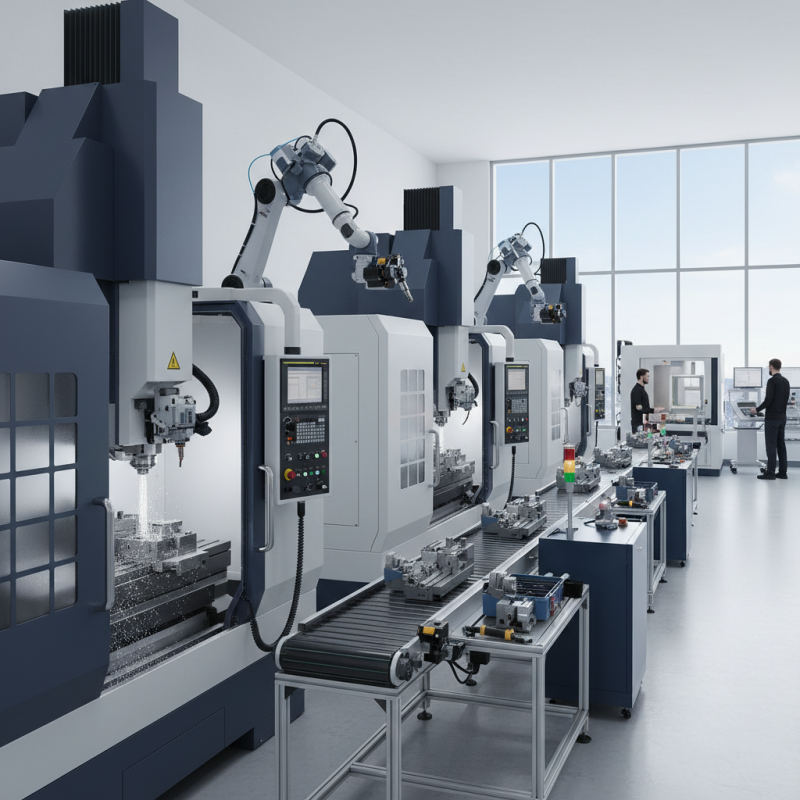
Top 10 Ways CNC Technology Boosts Manufacturing Efficiency?

The Role of CNC Technology in Modern Manufacturing

CNC technology has transformed modern manufacturing in remarkable ways. It enhances precision and reduces human error. According to a report by the International Federation of Robotics, CNC machines can increase productivity by up to 30%. This shift allows manufacturers to produce high-quality parts quickly. The automation of complex tasks frees skilled workers to focus on strategic projects.

In addition to better efficiency, CNC technology provides flexibility. Today, manufacturers can easily switch between different production runs. A study from the National Association of Manufacturers highlights that 76% of factories have adopted CNC systems. However, challenges remain. Transitioning to advanced CNC systems requires significant training. Many workers struggle to adapt efficiently. Additionally, initial costs can be prohibitive for smaller operations.

Data also shows that 35% of companies report a skills gap in operating CNC machinery. This gap can hinder the potential benefits of the technology. While CNC machines promise better output and efficiency, the deployment process is not without its hurdles. Manufacturers must address these issues to fully leverage CNC technology in a competitive landscape.

Top 10 Ways CNC Technology Boosts Manufacturing Efficiency

Dimension Description Impact on Efficiency
Precision CNC technology enables high precision in machining, reducing tolerances. Minimizes waste and rework, enhancing productivity.
Automation Automated processes reduce the need for manual intervention. Increases throughput and reduces labor costs.
Speed CNC machines operate at high speeds, completing tasks faster. Shortens production cycles, allowing more jobs to be completed in less time.
Flexibility CNC systems can handle a variety of materials and complex designs. Facilitates quick changes to production lines with minimal downtime.
Consistency Ensures consistent quality and output across multiple products. Reduces variability, leading to higher customer satisfaction.
Reduced Setup Time CNC machines can be quickly set up for different tasks. Enhances operational efficiency and responsiveness to orders.
Data Integration CNC systems can integrate with software for real-time data tracking. Improves planning and decision-making based on accurate data.
Energy Efficiency Modern CNC machines consume less energy than older models. Reduces operational costs and supports sustainability goals.
Enhanced Safety CNC machines reduce manual handling, improving safety. Lowers the risk of workplace accidents and injuries.
Cost Effectiveness Long-term savings from reduced waste and labor costs. Increases overall profit margins in manufacturing operations.

Increased Precision and Accuracy in Production Processes

CNC technology revolutionizes manufacturing by enhancing precision and accuracy in production processes. This is achieved through computer-controlled machinery that can create complex designs with minimal human intervention. As a result, manufacturers can produce parts to exact specifications, reducing waste and lowering costs.

The integration of CNC machines allows for faster production cycles. However, with advanced capabilities comes a need for skilled operators. Workers must understand the intricacies of programming and machine maintenance. Inadequate training can lead to errors, compromising quality. Thus, investments in workforce education are essential.

Moreover, while CNC technology increases efficiency, it may not eliminate all human error. Calibration issues or software bugs can still occur. Routine checks and a commitment to continuous improvement are vital. Companies must continually adapt to these challenges, ensuring that precision remains a priority amidst evolving technology. This balance of technology and human oversight is crucial for sustained success.

Top 10 Ways CNC Technology Boosts Manufacturing Efficiency

This bar chart illustrates how CNC technology enhances manufacturing efficiency through increased precision and accuracy in various production processes.

Reduction of Lead Times Through Automation

Automation in CNC technology significantly reduces lead times. By streamlining processes, manufacturers can respond faster to market demands. This efficiency impacts overall productivity. Automated CNC machines operate continuously, cutting down manual labor hours. Fewer delays in production lead to quicker turnaround times.

Tips for maximizing automation include regular maintenance of equipment. Well-maintained machines run smoothly and reduce downtime. Implementing a software system for project management can help track progress. This keeps teams informed and aligned.

Adopting automation is not without challenges. Initial setup costs can be high. Employees may need training to adapt to new technology. It's important to address these concerns proactively. Continuous feedback and open discussions can ease transitions. Ultimately, effective automation can reshape manufacturing efficiency for the better.

Minimizing Waste and Material Costs with CNC Machining

CNC machining significantly reduces waste and material costs in manufacturing processes. This technology ensures precision in cutting, which minimizes errors. As a result, companies can use raw materials more effectively. When parts are cut accurately, there's less leftover scrap. This efficiency leads to lower expenses and less environmental impact.

Tips for effective CNC machining include regularly maintaining your machines. A well-maintained CNC machine operates more reliably, which improves efficiency. Additionally, consider optimizing your design for manufacturability. Simplifying designs can lead to less material usage. This proactive approach can mitigate potential waste before it occurs.

Another important aspect is to analyze your production process continuously. Regular assessments can identify areas of excess waste. By addressing these inefficiencies, manufacturers can better utilize their resources. Adjusting workflows or machine settings may make a significant difference. Taking the time to reflect on these processes is crucial for long-term success.

Enhanced Flexibility and Customization in Manufacturing Operations

CNC technology plays a pivotal role in enhancing flexibility and customization in manufacturing operations. By leveraging computer-controlled systems, manufacturers can quickly adapt production processes to meet specific client demands. Recent industry reports show that over 70% of manufacturers consider customization a critical factor in staying competitive. This demand has led to an increase in CNC machining capabilities, enabling the production of tailored parts with high precision.

The ability to produce small batch sizes without significant retooling is a game changer. For instance, CNC systems allow for rapid prototyping, shortening lead times significantly. Data indicates that companies using CNC machining report reductions in production time by up to 30%. This flexibility also supports complex designs that traditional methods struggle to achieve. Yet, many manufacturers still grapple with integrating CNC technology seamlessly into their workflows.

Despite its advantages, challenges remain. The initial investment in CNC equipment can be daunting. Additionally, ensuring operators are skilled in advanced programming is essential. Many manufacturers report a skills gap in the workforce, which can hinder full utilization of CNC capabilities. Addressing these gaps is crucial for maximizing efficiency and customization in modern manufacturing environments.

FAQS

: How does CNC machining reduce material waste?

: CNC machining cuts materials precisely, minimizing errors and leftover scrap. This leads to efficient material usage.

What maintenance is needed for CNC machines?

Regular maintenance is essential. It ensures reliable operation and improves machining efficiency over time.

How can designs be optimized for CNC machining?

Simplifying designs can reduce material usage. It’s a proactive approach that minimizes potential waste.

Why is continuous analysis of production processes important?

Regular assessments help identify excess waste. Addressing inefficiencies allows for better resource utilization.

Can CNC machining support customization?

Yes, CNC technology enhances flexibility. It allows manufacturers to adapt quickly to specific client demands.

What benefits come from small batch production with CNC?

Small batch production reduces retooling needs and shortens lead times, increasing overall efficiency.

What challenges do manufacturers face with CNC adoption?

Initial equipment costs can be high. Skills gaps in programming can also limit effective use of CNC technology.

What impact can CNC machining have on production time?

Companies using CNC report up to a 30% reduction in production time, improving speed and responsiveness.

How can adjusting workflows impact CNC efficiency?

Small adjustments in workflows or machine settings can enhance efficiency significantly over time.

What should manufacturers reflect on for long-term success?

Continuous reflection on processes and addressing inefficiencies is crucial for maximizing success and resource use.

Conclusion

CNC technology plays a pivotal role in enhancing manufacturing efficiency by introducing precision, speed, and flexibility into production processes. One of the key aspects of how CNC technology improves manufacturing efficiency is its ability to achieve heightened precision and accuracy, enabling manufacturers to produce high-quality components consistently. This level of accuracy not only helps in reducing errors but also contributes to lower rework and scrap rates.

Additionally, CNC machining significantly reduces lead times through automation, allowing for faster turnaround from design to finished product. The reduction of material waste and costs is another crucial benefit, as CNC machines optimize the use of materials, minimizing unnecessary expenditures. Finally, the enhanced flexibility and customization options provided by CNC technology empower manufacturers to respond swiftly to changing market demands and produce tailored solutions, ensuring they stay competitive in a dynamic environment.

Ethan

Ethan

Ethan is a seasoned marketing professional with a deep expertise in our company's innovative product line. With a passion for sharing knowledge and insights, he takes the lead in regularly updating our corporate blog, where he explores industry trends, product features, and effective marketing......