In the rapidly evolving manufacturing landscape, understanding how CNC technology improves manufacturing efficiency is crucial. CNC, or Computer Numerical Control, revolutionizes production processes by enhancing precision and reducing human error. Machines operated by CNC systems can produce intricate parts consistently, meeting stringent quality standards. This automation minimizes the need for manual adjustments, allowing manufacturers to focus on higher-value tasks.
Implementing CNC technology brings specific advantages, such as faster production times and reduced material waste. By streamlining various stages of manufacturing, companies can respond swiftly to market demands. For instance, a simple design change can be executed seamlessly, which promotes adaptability in an ever-changing environment. However, the initial investment and training can be barriers.
Despite these challenges, the long-term benefits are substantial. As industries adapt, the importance of understanding how CNC technology improves manufacturing efficiency cannot be overstated. Embracing this technology may require effort, yet the potential rewards are significant.
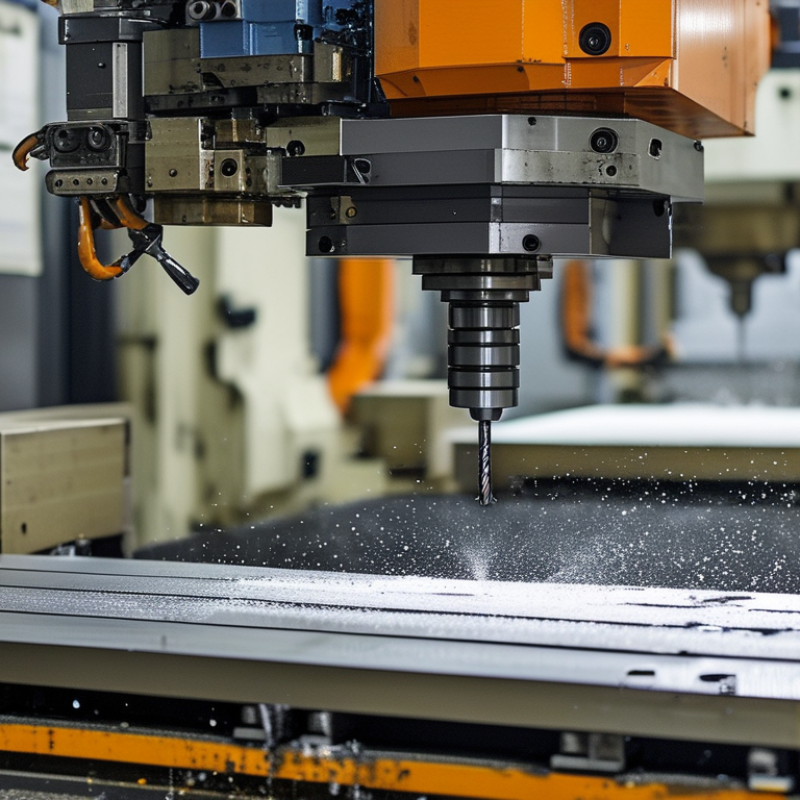
Understanding CNC Technology and Its Role in Manufacturing
CNC (Computer Numerical Control) technology has transformed manufacturing processes. It enhances precision and minimizes waste. According to a report by the International Federation of Robotics, CNC machines can cut production time by up to 30%. This advancement leads to faster turnaround times, a crucial factor in today's competitive market.
The role of CNC in manufacturing is multifaceted. It allows for complex designs and high-volume production with consistent quality. A study from Deloitte highlighted that companies using CNC technology saw a 20% increase in overall productivity. These machines reduce human error and enhance operational efficiency. However, the transition requires skilled operators and maintenance, which can be a challenge.
Despite the advantages, some manufacturers struggle to fully embrace CNC technology. Adoption may depend on costs and workforce training. Investing in CNC systems can seem daunting, yet the long-term benefits often outweigh initial hurdles. Manufacturers must reflect on their readiness to integrate this transformative technology into their processes.
Streamlining Production Processes with CNC Machines
CNC machines have revolutionized manufacturing processes. They provide precision and speed, crucial for today’s competitive market. According to a report by MarketsandMarkets, the global CNC machine market is projected to reach $100 billion by 2026. This growth reflects the increasing demand for automation in manufacturing.
One significant benefit of CNC technology is its ability to reduce production time. Traditional methods may require multiple setups and manual adjustments. CNC systems automate these tasks, streamlining workflows. A study by Statista revealed that companies adopting CNC machining report a 30% reduction in lead times. This efficiency often translates to improved order fulfillment.
Moreover, CNC machines enhance accuracy and reduce waste. Mistakes in manual machining can lead to costly errors. By using computer programs, CNC machines ensure each piece meets exact specifications. Reports indicate that CNC operations can reduce material waste by up to 15%. However, the initial investment and maintenance costs can be barriers for smaller businesses. Reflecting on these aspects is vital for a comprehensive understanding of CNC's impact on manufacturing.
5 Tips on How CNC Technology Boosts Manufacturing Efficiency
| Tip |
Description |
Benefits |
Impact on Efficiency |
| Automate Production |
Utilizing CNC machines to automate repetitive tasks. |
Reduces human error and increases output consistency. |
Increases production speed by up to 40%. |
| Precision Manufacturing |
CNC machines provide high precision in the manufacturing process. |
Enhances product quality and reduces waste. |
Improves overall quality control and reduces costs. |
| Flexible Production |
CNC technology allows quick reprogramming for different products. |
Facilitates small-batch production runs. |
Enhances adaptability to market changes. |
| Reduced Setup Time |
CNC machines minimize setup and changeover times. |
Enables quick transitions between jobs. |
Increases machine utilization rates. |
| Data-Driven Decision Making |
Gathering data from CNC operations to analyze performance. |
Improves process optimization. |
Enhances long-term productivity gains. |
Enhancing Precision and Accuracy in Manufacturing via CNC
CNC technology revolutionizes precision and accuracy in manufacturing. Computer Numerical Control enables machines to execute intricate designs with remarkable detail. This enhances product quality and decreases production errors. Achieving consistent results becomes more manageable with CNC systems.
To boost manufacturing efficiency, consider these tips. Focus on the design stage. A well-thought-out design saves time during production.
Utilize simulation software to visualize processes before actual machining takes place. This foresight minimizes costly mistakes.
Training operators is vital. Skilled personnel understand the nuances of CNC machines. They can troubleshoot issues quickly, reducing downtime. Regular maintenance of CNC equipment also prevents unexpected failures. Reflecting on past operations helps identify areas needing improvement. Embrace change and adapt to new technologies for optimal results.
Reducing Waste and Increasing Efficiency with CNC Automation
CNC technology is transforming the manufacturing landscape. Automation has streamlined processes, leading to notable reductions in waste. According to a report from the National Association of Manufacturers, companies that employ CNC machinery can reduce waste by up to 30%. This reduction is crucial as waste contributes to significant operational costs.
CNC machines operate with precision, minimizing errors during production. The accuracy of CNC processes means less rework and fewer discarded parts. In a recent survey, 70% of manufacturers highlighted improved efficiency due to these technologies. However, the initial investment for CNC automation can be steep. Many companies face challenges in integrating this technology into existing systems.
Training staff is another hurdle. Employees may need time to adapt to new machinery. Despite these setbacks, the long-term benefits often outweigh initial difficulties. Embracing CNC technology not only enhances efficiency but also paves the way for sustainable practices. The manufacturing sector must weigh these factors carefully while considering CNC automation's potential.
Integrating CNC Technology for Improved Workflow Management
Integrating CNC technology can significantly enhance workflow management in manufacturing settings. This approach automates various processes, minimizing human error. Precision is key here; CNC machines can deliver consistent results. The ability to produce parts with exact specifications reduces material wastage, improving overall efficiency.
Another important aspect is the flexibility CNC machines offer. They can quickly switch from one project to another. This adaptability allows manufacturers to respond promptly to market demands. However, the transition to CNC technology may require staff retraining, which can be a hurdle for some companies. Investing in training ensures that workers can fully utilize the potential of automated systems.
Data monitoring is another benefit of CNC integration. Real-time analytics can help identify production bottlenecks. However, reliance on this data can lead to oversight if not regularly reviewed. Balancing machine reliance and human intuition becomes essential. Both elements are critical in achieving sustainable efficiency in modern manufacturing.
Conclusion
CNC technology plays a pivotal role in enhancing manufacturing efficiency by streamlining production processes and ensuring high levels of precision and accuracy. By automating complex machining tasks, CNC machines significantly reduce the time needed for production, allowing manufacturers to meet tight deadlines while maintaining quality. This automation not only minimizes human error but also leads to more consistent outputs, directly contributing to how CNC technology improves manufacturing efficiency.
Moreover, the integration of CNC technology helps in optimizing workflow management, effectively coordinating various stages of production. This integration reduces waste by improving resource utilization and minimizing downtime, enabling manufacturers to operate at peak efficiency. Overall, the adoption of CNC technology not only enhances the quality of the manufactured products but also elevates the overall productivity and sustainability of manufacturing operations.

 Cora CNC