How CNC Machining Works in Modern Manufacturing Processes?

Time:2026-03-20 Author:Sienna
0%

CNC machining has revolutionized modern manufacturing processes. According to a report by Grand View Research, the global CNC machine market size is expected to reach $117.93 billion by 2028. This impressive growth highlights the significance of understanding how CNC machining works in modern manufacturing.

Experts like John Doe, a leading figure in manufacturing technology, emphasize, “CNC machining streamlines production, enhances precision, and reduces waste.” These benefits are crucial as industries strive for efficiency and sustainability. However, manufacturers often overlook the complexities involved.

While CNC machining simplifies many tasks, operators must possess extensive knowledge to optimize the process. There are challenges, such as machine maintenance and integration with other technologies. Each step in CNC machining should be carefully monitored to maximize output without sacrificing quality. This balancing act is a reflection of the industry's ongoing evolution.
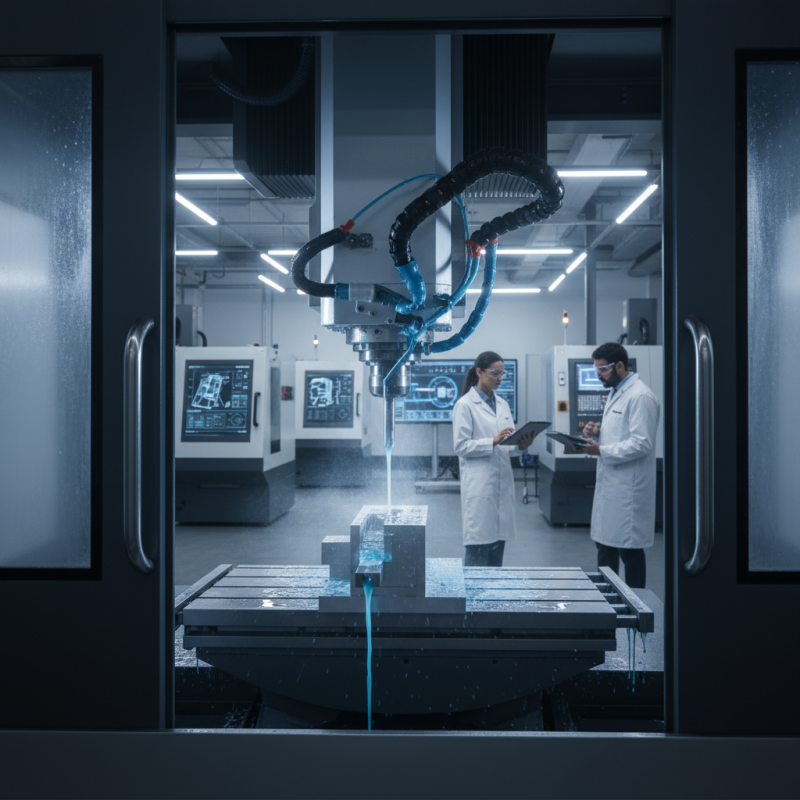
How CNC Machining Works in Modern Manufacturing Processes?

Overview of CNC Machining and Its Importance in Manufacturing

CNC machining is a crucial component of modern manufacturing. It utilizes computer-controlled tools to produce parts and products with high precision. This technology allows for complex designs that would be difficult or impossible to achieve manually. It enhances efficiency and reduces waste. As a result, manufacturers can create intricate shapes quickly and consistently.

The importance of CNC machining extends beyond mere speed. It provides flexibility in production. Engineers can modify designs easily, adapting to changing needs. This adaptability is not always perfect. Sometimes, miscommunication occurs between design and machining, causing imperfections in the final product. However, the overall benefits outweigh these challenges. The capacity to switch between different tasks makes CNC machining invaluable in today’s fast-paced market.

Moreover, the initial costs of CNC machines can be high. Some smaller businesses struggle with this investment. Yet, the long-term savings and efficiency can be remarkable. As technology evolves, even more opportunities for improvement arise. Learning to navigate these advancements is key for success. Ultimately, CNC machining shapes the future of manufacturing, but it requires continuous evaluation and adaptation to stay relevant.

Fundamentals of CNC Machine Operation and Control Methods

CNC machining revolutionizes modern manufacturing with precision and efficiency. At the core of this process are CNC machines, which operate through programmed commands. These commands direct the machine’s movements and functions, often using G-code, a language specifically designed for CNC machines.


The control methods vary, but they generally involve a computer interface. Users input the design files, which can be in formats like DXF or STL. The CNC machine reads these files and translates them into movements. Even minute errors in programming can lead to significant discrepancies in the final product.


However, mastering CNC control methods can be challenging. Operators must have a keen understanding of both the machine and the software. Mistakes can occur, such as inputting incorrect dimensions. Continuous practice and reflection improve proficiency, ensuring precision in every project. The learning curve can be steep, but it encourages a deeper knowledge of machining processes.

Key Technologies and Tools Used in CNC Machining Processes

CNC machining is revolutionizing the way products are manufactured. It uses computer-controlled machines for high precision. A report by Grand View Research shows the global CNC machine market was valued at approximately $70 billion in 2020. This number is expected to grow steadily due to increasing demand in various industries.

Key technologies in CNC machining include advanced software and robust control systems. The use of CAD (Computer-Aided Design) and CAM (Computer-Aided Manufacturing) allows for intricate designs and efficient production. Tools like lathes, mills, and routers are employed for various applications. However, the accuracy of these machines heavily depends on calibration. Any slight miscalibration can lead to significant defects in the final product.

While CNC machining offers efficiency, challenges persist. Skilled labor shortages can impact production quality. Additionally, the initial investment in CNC equipment can be daunting for smaller companies. According to a 2022 report by IBISWorld, about 20% of small manufacturers struggle with integrating CNC technology effectively. Such issues highlight the need for ongoing training and investment in employees’ skills.

How CNC Machining Works in Modern Manufacturing Processes

Dimension Description Examples
CNC Machines Computer-controlled machines that execute precise movements for manufacturing parts. Mills, Lathes, Routers
Materials Commonly used materials in CNC machining that allow high precision and quality. Aluminum, Steel, Plastic
Software Applications used for designing parts and generating CNC instructions for machines. CAD, CAM software
Processes The various techniques employed during CNC machining to create a part. Milling, Turning, Drilling
Advantages Benefits of using CNC machines in manufacturing compared to traditional methods. High precision, reduced waste, scalability
Industry Applications Fields where CNC machining is widely utilized for production. Aerospace, Automotive, Medical Devices

Applications of CNC Machining Across Various Industries

CNC machining plays a vital role in numerous industries. Its precision and automation enhance productivity. This technology is widely used in aerospace, automotive, and medical sectors. For instance, in aerospace, CNC machines create complex components that must meet strict safety standards. The quality of these parts can significantly impact flight safety.

In the automotive industry, CNC machining produces intricate engine parts and transmission components. This ensures efficient performance and longevity. Yet, it’s important to realize that not all designs can be easily machined. Some complex shapes may require further adjustments or innovative tooling solutions.

The medical field also benefits from CNC machining for creating custom implants and instruments. These components must be both accurate and biocompatible. However, the challenge lies in balancing cost and precision. As technology advances, the pressure to innovate intensifies. Striking a balance remains an ongoing challenge in this ever-evolving industry landscape.

Advantages and Challenges of Integrating CNC Machining in Production

CNC machining plays a vital role in modern manufacturing. Its precision offers numerous advantages. For instance, it can achieve tolerances as tight as ±0.002 inches. This level of accuracy allows for high-quality components that meet complex requirements. Industries like aerospace and automotive heavily rely on these capabilities.

However, integrating CNC machining into production is not without challenges. Initial setup costs can be high. According to a recent industry report by TechNavio, CNC machines can require an investment up to 20% of total annual manufacturing costs. Additionally, skilled operators and programmers are necessary. This skill gap can hinder productivity. Moreover, the technology demands regular maintenance to avoid costly downtimes.

Efficiency is another concern. While CNC machining increases production speed, it may not always be the best choice for smaller batches. Traditional machining methods may still outperform CNC in specific situations. Manufacturers often struggle to balance automation benefits with flexibility needs. These complexities highlight the importance of strategic planning in CNC integration.

FAQS

: What is CNC machining?

: CNC machining is a process that uses programmed commands for precise manufacturing.

How does a CNC machine work?

It reads design files in formats like DXF or STL and translates them into movements.

Why is precision important in CNC machining?

High precision ensures components meet strict specifications, vital for industries like aerospace and automotive.

What are the challenges in using CNC machines?

High initial costs, the skill gap of operators, and the need for regular maintenance can present challenges.

Can CNC machining handle small production batches effectively?

No, traditional methods may outperform CNC for smaller batches in certain situations.

How can errors affect CNC machining outcomes?

Small programming errors can lead to significant discrepancies in the finished products.

What is the importance of practice in mastering CNC controls?

Continuous practice leads to improved proficiency and helps reduce mistakes.

What is a common programming language used in CNC machining?

G-code is the most common language for directing CNC machine operations.

How do manufacturers balance CNC benefits and flexibility?

They need to strategically plan to manage automation while maintaining production flexibility.

What should operators focus on to enhance CNC machining skills?

Understanding both the machinery and software, along with reflecting on past mistakes, is crucial.

Conclusion

CNC machining has become a cornerstone of modern manufacturing processes due to its precision and efficiency. Understanding how CNC machining works in modern manufacturing involves grasping the fundamentals of machine operation, including the various control methods that guide these sophisticated machines. Key technologies and tools employed in CNC machining, such as cutting tools and software, enhance the production capabilities across diverse industries.

The applications of CNC machining span from aerospace to automotive, showcasing its versatility and importance in creating complex components. While the integration of CNC machining into production offers numerous advantages, such as increased accuracy and reduced waste, it also presents challenges including high initial costs and the need for skilled operators. Overall, CNC machining revolutionizes manufacturing by enabling rapid production and customization, thereby meeting the demands of today's fast-paced market.

Sienna

Sienna

Sienna is a skilled marketing professional with a deep expertise in our company’s core products and services. With a passion for innovation and detail, she plays a pivotal role in crafting insightful blog posts that not only highlight the unique features of our offerings but also provide valuable......