CNC machining has transformed modern manufacturing in profound ways. It embodies the synergy of technology and precision, making it vital for industries today. Understanding how CNC machining works in modern manufacturing reveals its importance.
This technique combines computer programming with robust machinery. It allows for intricate designs and consistent quality. Manufacturers benefit from reduced waste and efficient production processes. CNC machines can produce complex parts with incredible accuracy, which is essential in sectors like aerospace and automotive.
However, there are challenges. High initial costs can deter small businesses. The learning curve for operating CNC machines can also be steep. Yet, those who embrace this technology often find it indispensable. The precision and efficiency it brings can drive innovation and competitiveness. Overall, CNC machining is a cornerstone of modern production techniques, pointing the way to future advancements.
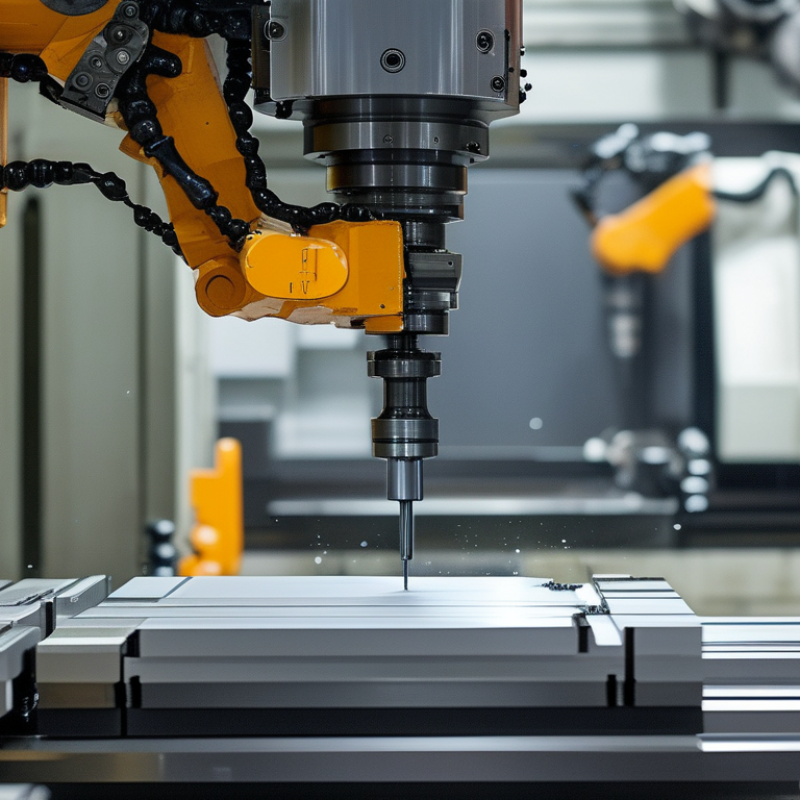
CNC machining stands at the forefront of modern manufacturing. Its precision impacts various industries like automotive and aerospace. According to a report from Market Research Future, the CNC machining market is projected to reach $115 billion by 2025. This anticipated growth underscores its vital role in production efficiency.
The technology leverages computer-controlled machines to create complex components with high accuracy. Industries adopt CNC machining to reduce waste and enhance production speeds. For instance, the use of CNC machining can cut lead times by 30%. This efficiency is crucial in a world that demands rapid turnaround and consistent quality.
However, despite its advancements, challenges remain. Skilled operators are required to oversee CNC processes. A skills gap persists in the workforce, raised by a report from Deloitte, forecasting a shortage of 2.1 million skilled workers by 2030 in manufacturing. Businesses may face difficulties in finding qualified personnel. This highlights the need for continuous training and education in CNC operations.
: CNC machining is a manufacturing process that uses computer-controlled machines for precision and efficiency.
Automation reduces human error and increases production efficiency, allowing for consistent and intricate parts.
AI improves programming capabilities and allows for easier design adaptations, but it raises concerns about over-dependence.
Skilled operators maximize the technology's benefits, ensuring better performance and reducing errors.
Initial investment can be significant, and there is a learning curve for operators to understand both machines and software.
It automates complex processes, leading to precise cuts and consistent results while saving time and material costs.
There is an increasing emphasis on automation, with machines designed for minimal human intervention, affecting workforce dynamics.
The challenge is to reduce energy consumption and material waste while innovating CNC practices effectively.
Regular assessment of technological tools and adapting to new gaps can boost efficiency and capitalize on opportunities.
Operators must keep updating their skills to adapt to rapid technological changes, which can strain existing workflows.
CNC machining plays a crucial role in modern manufacturing by providing precise control over machining processes through computer numerical control. It integrates advanced technology to enhance production efficiency, allowing for the consistent reproduction of complex parts across various industries, from aerospace to automotive. Understanding how CNC machining works in modern manufacturing reveals its importance in reducing waste and improving overall productivity, as it automates processes that were once labor-intensive and prone to human error.
As technological advancements continue to shape CNC machining practices, manufacturers are witnessing a shift towards more innovative applications and processes. Future trends indicate an increasing reliance on automation, integration with robotics, and the use of artificial intelligence to optimize production plans. This evolution not only enhances the capabilities of CNC machines but also ensures that industries can meet the growing demands for high-quality and efficient manufacturing solutions.

 Cora CNC