In recent years, aerospace manufacturing has experienced transformative changes. A key player in this shift is CNC machining. This advanced technology streamlines the production process, fostering greater efficiency and precision. Understanding how CNC machining supports aerospace manufacturing is essential for industry stakeholders.
The complexity of aerospace components demands high levels of accuracy. For instance, CNC machining allows manufacturers to produce intricate parts with minimal human error. This reduces waste and cuts costs. Moreover, machine capabilities enable rapid prototyping, which accelerates design iterations. As a result, companies can bring products to market faster than ever.
Yet, challenges remain. The high initial investment in CNC machines can deter smaller manufacturers. Training staff to operate these advanced systems also requires time and resources. Despite this, the long-term benefits often outweigh these hurdles. With continuous advancements, CNC machining promises to enhance future aerospace manufacturing, raising the industry's standards.
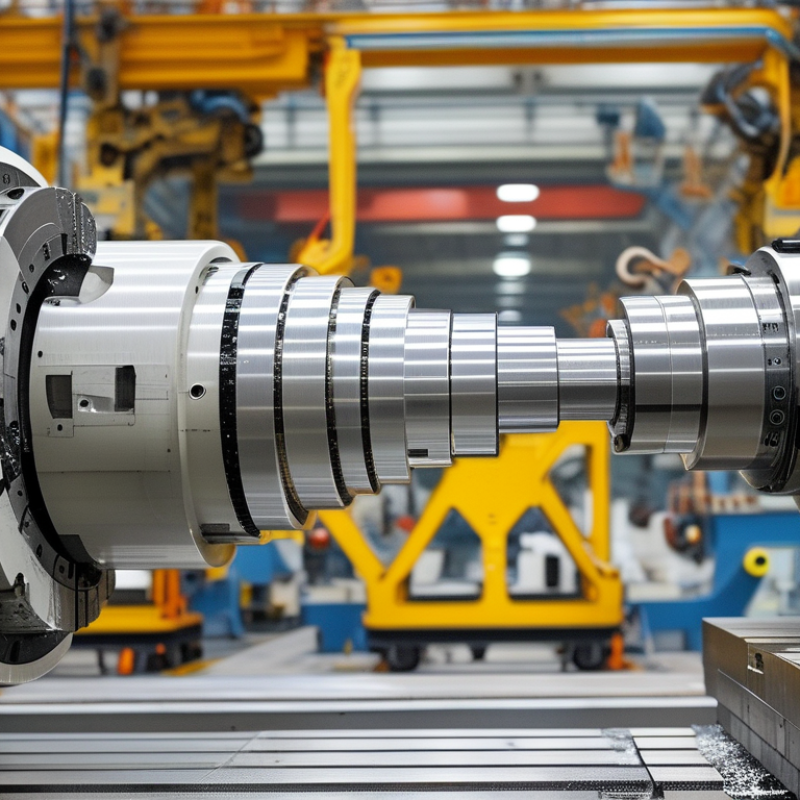
CNC machining plays a critical role in aerospace manufacturing. It is a precision technique that automates the production of complex parts. This process significantly reduces human error, which is essential in an industry where safety is paramount. According to a report from the Aerospace Industries Association, 70% of aerospace companies have adopted CNC machining to improve their production capabilities.
In practical terms, CNC machines can create components like turbine blades with high precision. The tolerances for these parts often reach within 0.01 mm. This accuracy leads to enhanced performance and reliability of aircraft. However, as with any technology, challenges remain. The initial costs for CNC machinery can be high. Smaller manufacturers might find it difficult to invest in such technology.
Recent studies indicate that the global CNC machining market in the aerospace sector is projected to grow by 4.5% annually over the next five years. This growth suggests that more companies recognize the importance of CNC machining. Yet, transitioning to CNC requires continual training and adaptation. Companies must ensure their workforce is equipped to maximize this technology's benefits. The evolution of CNC will need to address integration with AI and advanced materials, posing new challenges for the industry.
CNC machining plays a vital role in aerospace engineering. Its precision and efficiency are unmatched in manufacturing complex components. This technology reduces errors significantly, which is crucial for the safety of aircraft. Each part must meet stringent standards. Traditional methods often lead to variations, complicating assembly and increasing production time.
Moreover, CNC machines can operate continuously. They require minimal human intervention, resulting in consistent output. This efficiency translates to reduced costs and faster turnaround times for projects. Aerospace engineers benefit from the ability to create intricate designs. However, complexity can lead to challenges in programming the machines. Adjustments may be necessary to refine the design process.
The flexibility of CNC machining allows for rapid prototyping. Engineers can test designs quickly and iterate based on performance. This iterative process enhances innovation but demands close attention to detail. Some might rush through programming, leading to unintended discrepancies. Although CNC machining increases efficiency, careful planning is essential to fully realize its advantages.
CNC machining significantly impacts production efficiency and quality in aerospace manufacturing. With its precise control, it minimizes human error. This technology allows for the intricate design needed in aerospace components. Complex shapes can be manufactured with improved accuracy. The result is parts that fit better during assembly.
Another aspect is the speed of production. CNC machines operate continuously, reducing downtime. Unlike traditional methods, they streamline the workflow. This efficiency can lead to quicker turnaround times, helping manufacturers meet tight deadlines.
However, the initial setup and programming can be time-consuming. It requires skilled operators who understand both the machinery and the aerospace industry.
Quality control must remain a priority. While CNC machining enhances consistency, it does not eliminate defects entirely. Occasional malfunctions can still occur. Operators must regularly check equipment and parts during production. This attention to detail is crucial to maintaining high standards in aerospace components. Continuous improvement is necessary to adapt to evolving technologies and demands.
CNC machining has become a pivotal technology in aerospace manufacturing, demonstrated by several notable case studies. One prominent example is the Boeing 787 Dreamliner. This aircraft utilized CNC machining for its complex titanium components. Reports indicate that CNC processes enhanced production speed by 30%, significantly reducing lead time. The precision of CNC machining also minimized material waste, an essential factor in aerospace manufacturing, where every gram counts.
Another noteworthy application can be seen in the production of Airbus A350 wing structures. CNC technology facilitated intricate designs, which traditional methods struggled to achieve. By employing CNC, Airbus improved efficiency by 25%. Additionally, the adaptability of CNC machines allowed for rapid reconfiguration based on design changes, a crucial factor in modern aerospace development. However, it's important to recognize that transitioning to CNC technology requires significant investments in training and maintenance, which can be challenging for some manufacturers.
Challenges often arise with the implementation of CNC in aerospace. Issues such as software compatibility and the learning curve for operators can hinder efficiency. Notably, reports show that 15% of CNC operations experience downtime due to lack of skilled personnel. Therefore, while CNC machining offers substantial benefits, the industry must address these obstacles to fully leverage its potential.
The aerospace industry is evolving rapidly, and CNC technology plays a vital role in this transformation. Advanced CNC machines are now capable of producing complex geometries with high precision. This capability enhances production speeds while ensuring quality. Manufacturers can create intricate components that meet stringent aerospace standards efficiently. The integration of automation in CNC machining further streamlines workflows.
Looking ahead, trends such as artificial intelligence and machine learning will reshape CNC operations. These technologies promise to optimize machining processes by predicting tool wear and maintenance needs. However, this reliance on technology raises concerns about skill gaps within the workforce. As machines become smarter, the need for skilled operators may decline. Additionally, embracing these advancements may require significant investment.
Sustainability in aerospace manufacturing is another pressing issue. While CNC machining reduces waste compared to traditional methods, there's still room for improvement. Implementing eco-friendly materials and processes could enhance overall sustainability. Challenges remain, but the future of CNC technology in aerospace holds great promise. It requires careful consideration and reflection on how to balance innovation with human expertise and environmental responsibility.
: CNC machining ensures precision and efficiency, crucial for manufacturing complex aircraft components. It reduces errors significantly.
Efficiency leads to lower costs and faster turnaround times. Projects benefit from consistent output and minimized human intervention.
CNC allows rapid prototyping and quick testing of designs. Engineers can iterate based on performance but must pay close attention to detail.
The transition can be challenging due to software compatibility and the learning curve for operators, potentially leading to downtime.
CNC technology enhances production speed significantly, as seen in cases like the Boeing 787 and Airbus A350, reducing lead times.
Trends like artificial intelligence could optimize machining processes but raise concerns about skill gaps and reliance on technology.
Yes, while CNC reduces waste, there’s still a need for eco-friendly materials and processes to enhance sustainability in manufacturing.
Rushing through programming can lead to discrepancies. Careful planning is crucial to harness CNC machining's full advantages.
Skilled personnel are essential; reports indicate 15% of operations face downtime due to a lack of trained operators.
Significant investments in training and maintenance can be barriers for some manufacturers exploring CNC technology.
CNC machining plays a pivotal role in enhancing aerospace manufacturing efficiency by streamlining production processes and improving precision. This technology allows for the creation of complex parts with remarkable accuracy, essential for meeting the stringent safety and performance standards in the aerospace industry. Through key advantages such as reduced lead times, lower production costs, and superior repeatability, how CNC machining supports aerospace manufacturing becomes evident.
Moreover, the impact of CNC machining on production efficiency and quality has been illustrated through various case studies showcasing successful applications. As the industry continues to evolve, future trends in CNC technology promise even greater advancements, including increased automation and integration with smart manufacturing practices. Overall, embracing CNC machining is critical for aerospace manufacturers aiming to enhance competitiveness in a rapidly changing market.

Cora CNC