In the realm of modern manufacturing, the use of CNC machines has become increasingly prominent. These advanced tools offer precision, speed, and efficiency, making them indispensable for factories striving to stay competitive. Understanding why CNC machines are essential in modern factories is vital for both manufacturers and consumers.
CNC machines automate processes, reducing human error and increasing production rates. They enable complex designs with ease, which manual machines cannot replicate. By investing in CNC technology, factories can save time and costs while ensuring high-quality output. However, this reliance on automation raises concerns about job displacement and skill gaps in the workforce.
The integration of CNC machines is not without its challenges. Factories must adapt to new software and training needs. Companies must reflect on the balance between automation and the human touch. CNC technology transforms production, but it prompts a deeper conversation about its broader impact on the industry.
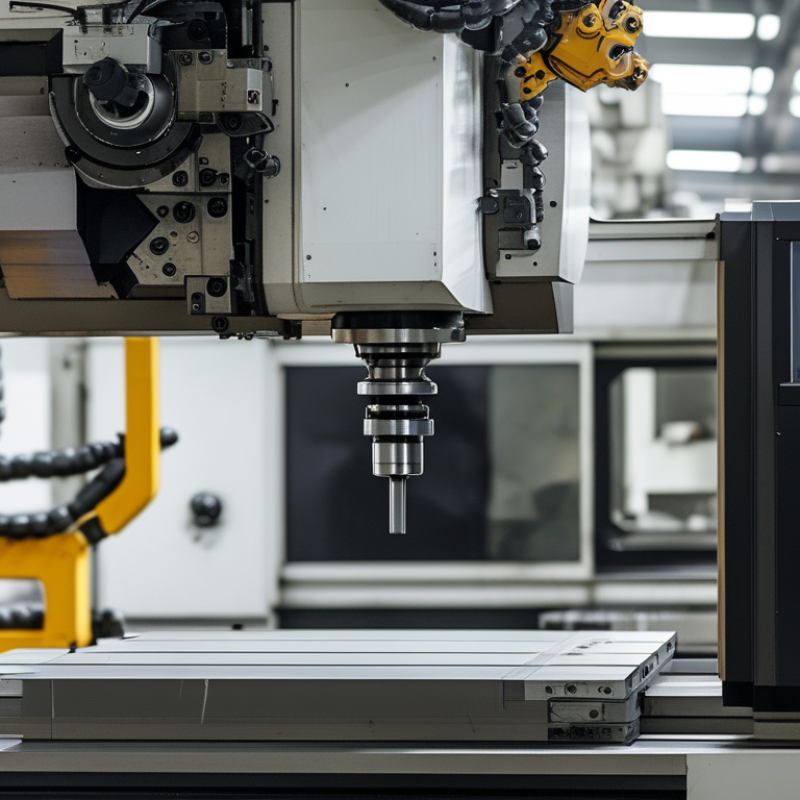
In modern manufacturing, precision engineering plays a crucial role.
CNC machines are at the heart of this process. These machines execute intricate designs with high accuracy.
This accuracy leads to consistent quality in production.
Minor deviations in measurements can significantly affect the final product. Therefore, precision is not just desirable;
it is essential.
Tips: Always monitor machine calibration.
Regular checks can prevent costly errors. Understanding the specifications of materials is equally important.
Use materials that match the project requirements for optimal results.
The reliance on CNC technology enhances productivity. Automated tools reduce human error and increase output rates.
However, over-reliance may lead to gaps in workforce skills. Workers must remain adaptable.
They should continually develop skills alongside machinery advancements.
Emphasizing training ensures that teams can respond to evolving challenges in manufacturing.
CNC technology significantly enhances production efficiency in modern factories. A report from the International Federation of Robotics states that CNC machines improve accuracy by up to 99%. This precision reduces material waste. Less waste means lower costs and higher profits.
Additionally, CNC machines operate continuously. They can run for long hours without human intervention. According to a study by Technavio, manufacturing productivity can increase by 40% with CNC automation. Operators can focus on complex tasks, leaving repetitive work to machines. This optimization leads to better resource allocation.
However, implementing CNC technology comes with challenges. The upfront costs can be substantial. Many factories struggle with employee training. Skilled technicians are essential for operating and maintaining CNC machines. Without proper training, the efficiency gains can diminish. Factories must adapt to these new technologies while balancing costs and training effectively.
CNC machines are revolutionizing various industries by providing unmatched versatility. They can create complex parts from numerous materials, including metal, plastic, and wood. This flexibility allows manufacturers to meet diverse needs, from automotive components to intricate medical devices. Many factories are integrating CNC machines to streamline production processes. This involves reducing labor costs and boosting efficiency.
The ability to produce custom designs enhances creativity. Engineers can easily modify programs for different tasks. However, using CNC machines requires skilled operators. Mistakes in programming can lead to wasted materials and time. Investing in training and education is essential. As industries evolve, adapting CNC technology is crucial for staying competitive.
The integration of CNC machines is not without challenges. While they enhance precision, they also necessitate regular maintenance and calibration. Factories must balance automation with skilled labor to ensure optimal output. Continuous improvement in processes is vital to fully utilize these machines. Over time, embracing this technology can significantly improve production efficiency.
CNC machines have transformed modern manufacturing, due in large part to their cost-effectiveness. A recent report from the International Federation of Robotics indicates that manufacturers using CNC technology see productivity increases of up to 30%. This allows companies to produce high-quality products with lower labor costs. The initial investment might seem steep, but the return on investment can be significant over time.
Employing CNC machines reduces material waste significantly, often by 15% or more. Optimizing resources means fewer costs and greater profitability. However, not all factories leverage their full potential. Training staff to use CNC effectively is crucial and sometimes overlooked.
Tip: Regular training sessions can improve machine performance. Embrace new software updates and innovations. Continuous learning can lead to better production practices and less downtime.
CNC machines also enable scalability. Companies can easily adjust production rates based on market demands. This flexibility is vital in competitive environments. Yet, the challenge remains: not all industries have adapted swiftly. Resistance to change can lead to missed opportunities for efficiency gains.
Tip: Analyze market trends and adapt your production schedules accordingly. Being proactive can enhance competitiveness and profitability. Embracing technology is no longer optional; it’s essential for survival in this fast-paced industry.
| Reason | Description | Cost-Effectiveness |
|---|---|---|
| Precision and Accuracy | CNC machines provide high precision and repeatability, essential for producing complex parts. | Reduces material waste and minimizes errors, lowering production costs. |
| Increased Productivity | Automating processes speeds up production times significantly. | Higher output leads to lower labor costs per unit produced. |
| Flexibility | CNC machines can be easily reprogrammed for different products. | Cost-effective for small batch production and quick design changes. |
| Reduced Labor Costs | Fewer operators are required compared to traditional machining methods. | Savings on wages contribute to overall cost reduction. |
| Enhanced Safety | Automation reduces the risk of injury associated with manual machining operations. | Minimized workplace accidents lead to lower insurance and liability costs. |
The integration of automation and CNC technology is revolutionizing the landscape of modern factories. CNC machines have become vital as factories pivot towards smart manufacturing. According to a report by the International Federation of Robotics, over 2.7 million industrial robots were operating worldwide as of 2021. This high adoption rate reflects the industry's pivot towards automation. The intricate capabilities of CNC machines, when combined with advanced automation, enable precise and efficient production.
Smart factories leverage data and automation to make real-time decisions. A report by McKinsey estimates that full automation could increase productivity by up to 40%. CNC machines contribute significantly to this enhancement, allowing for rapid adjustments in production schedules based on demand spikes or material availability. Nonetheless, the integration process can be challenging. Companies may face high upfront costs, and integrating legacy systems with new technologies requires careful planning.
Despite these hurdles, the potential benefits are immense. Enhanced flexibility and reduced lead times support more competitive positioning in the market. Equally important is the focus on workforce training. Employees must adapt to new technologies, which may initially lead to resistance. However, creating a culture of continuous improvement will ultimately drive the long-term success of smart factories.
: Precision engineering ensures high accuracy, leading to consistent quality in production. Even minor measurement errors can significantly impact the final product.
Regularly monitor machine calibration and specifications of materials used. This prevents mistakes that could compromise project outcomes.
CNC machines enhance productivity by automating processes. They reduce human errors and increase output rates in production.
Yes, CNC machines produce parts from various materials. They are widely used in automotive, medical, and many other sectors.
Over-reliance may reduce workforce skill levels. Workers must develop skills to adapt to machinery advancements and industry demands.
Custom designs enhance creativity and versatility. Engineers can modify programs easily for various tasks, meeting diverse market needs.
Regular maintenance and calibration are crucial. Factories must balance automation with skilled labor to achieve optimal results.
Skilled operators are critical to prevent mistakes in programming. Poor programming can lead to wasted materials and resources.
Continuous improvement in processes and regular training for staff is vital. This ensures optimal output and competitiveness in the market.
Lack of training can lead to errors and inefficiencies. Over time, it may affect the overall performance of manufacturing operations.
CNC machines have become indispensable in modern factories for several compelling reasons. Firstly, precision engineering is crucial in today's manufacturing landscape, as CNC technology enables the production of complex parts with exact specifications, minimizing errors and enhancing quality. Moreover, the implementation of CNC machines significantly boosts production efficiency; they operate at high speeds and can run continuously, drastically reducing lead times and improving output.
Additionally, these machines offer remarkable versatility, adapting easily to various industries, from aerospace to automotive. This versatility is a key factor in why CNC machines are essential in modern factories, as they accommodate diverse manufacturing needs without the necessity for multiple machine types. Furthermore, their cost-effectiveness in a competitive market ensures businesses can maintain profitability while delivering high-quality products. Lastly, the integration of automation with CNC technology paves the way for smart factories, streamlining processes and making production more responsive and flexible to market demands.

Cora CNC