2026 Best Ways to Evaluate Machining Equipment Quality?

Time:2026-06-01 Author:Sophia
0%

In the rapidly evolving machining industry, assessing equipment quality is pivotal. Experts emphasize the importance of knowing "how to evaluate machining equipment quality." John Smith, a leading authority in precision engineering, states, "Quality assessment is not just a checkmark; it’s the foundation for success." Accurate evaluation can significantly impact operational efficiency and product quality.

Recent industry reports indicate that nearly 70% of manufacturers face challenges with equipment reliability. This statistic underscores the necessity for rigorous evaluation criteria. Factors such as precision, durability, and maintenance history are essential. A trusted review process can save companies from costly downtimes and ensure consistent output quality.

However, evaluating quality is not always straightforward. Manufacturers often overlook subtle flaws that can escalate into major issues. Tools and machinery require regular assessment, yet many companies lack a systematic approach. As you explore the best ways to evaluate machining equipment quality, remember that staying informed and proactive is crucial.
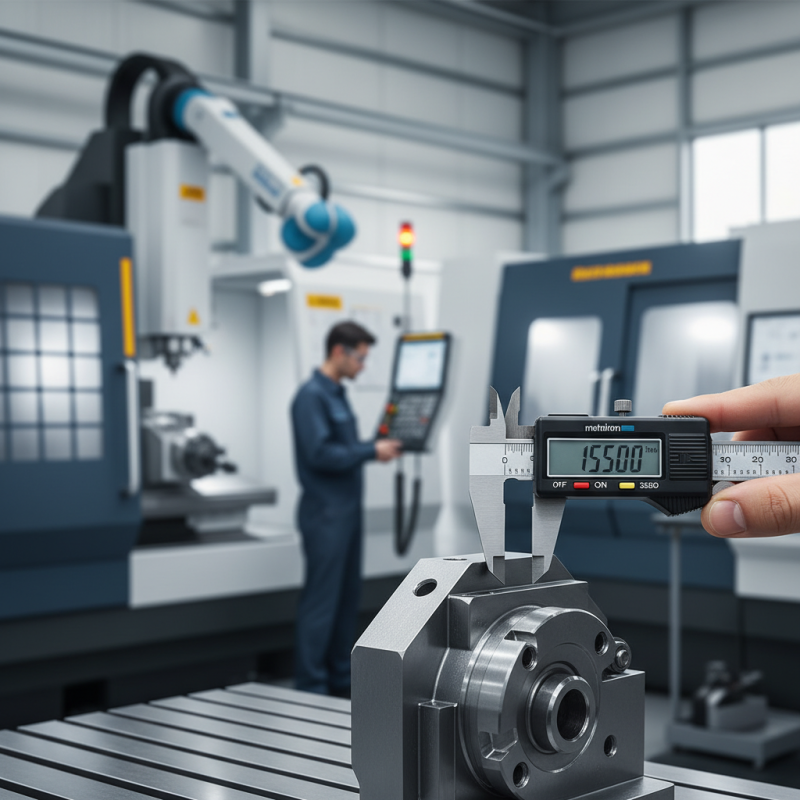
2026 Best Ways to Evaluate Machining Equipment Quality?

Understanding the Importance of Machining Equipment Quality Evaluation

Evaluating machining equipment quality is crucial for any manufacturing operation. High-quality equipment enhances production efficiency and product accuracy. Understanding how to assess this quality can lead to significant cost savings and better end products. Quality evaluation is not merely about performance metrics. It involves examining the entire lifecycle of the equipment.

When evaluating machining equipment, look for indicators like material durability, precision levels, and user reviews. User experiences reveal strengths and weaknesses often overlooked in technical specifications. Regular maintenance records can indicate how well the equipment can hold up over time. Small inconsistencies can accumulate, impacting overall productivity and product quality.

However, one must consider the subjective nature of quality. What works for one operation may not fit another. This necessitates ongoing reflection and evaluation. Engaging with peers, sharing experiences, and adapting best practices can reveal new insights. It requires openness to change and a willingness to learn from every evaluation conducted.

Key Factors in Assessing Machining Equipment Performance

When assessing machining equipment performance, several key factors come into play. One of the primary considerations is precision. According to a 2022 industry report, precision levels should ideally be maintained within ±0.005 inches for optimal performance. This precision directly impacts the quality of the final product and the overall efficiency of operations. A slight deviation can lead to significant increases in rework and waste.

Another crucial factor is the machine's durability. A study published by the Manufacturing Institute revealed that nearly 30% of equipment failures are due to inadequate maintenance practices. This highlights the importance of regular inspection and adherence to recommended maintenance protocols. Machines that are well-maintained not only perform better but also have a longer lifespan, providing better return on investment.

Additionally, operator skill level significantly affects equipment performance. Human error can undermine even the most sophisticated machines. It's reported that over 40% of production issues stem from operator mistakes. Investing in training can mitigate these risks. Regular workshops and continuous education can help operators maximize machinery capabilities, leading to improved outcomes.

Methods for Testing and Measuring Machining Equipment Precision

When evaluating machining equipment precision, several testing methods can provide insight into quality and reliability. Common practices include the use of coordinate measuring machines (CMM) and laser interferometry. CMMs can detect deviations within 0.001 mm. This level of accuracy is critical for industries demanding tight tolerances, such as aerospace or medical device manufacturing.

Another method is to assess the roundness and flatness of machined parts. According to industry reports, roundness errors can affect assembly and function. Measuring techniques like optical comparators allow a visual assessment of these characteristics. They can reveal surprises in product quality, highlighting areas for improvement.

Data shows that nearly 25% of machining defects stem from inaccurate equipment calibration. Regular maintenance and recalibration are essential to preserve precision. Investing in these practices can reduce waste and improve overall productivity. This attention to detail might reveal more issues than initially expected. Thus, continuous monitoring is necessary in achieving long-term quality.

Quality Evaluation of Machining Equipment (2026)

Evaluating Material Quality and Durability in Machining Tools

Evaluating material quality and durability in machining tools is essential for ensuring optimal performance. A tool’s lifespan directly impacts productivity and costs. Quality materials can withstand wear, heat, and stress during operations. It is crucial to choose tools made from high-grade alloys for enhanced longevity.

Tips: Always check for certifications indicating material standards. Machinery that meets these criteria often guarantees better durability.

Focus on how the tool feels during use. A well-balanced tool reduces operator fatigue and improves precision. Observe the finish of machined parts; any irregularities can signal inferior tool quality.

Tips: Assess tool performance by conducting a sample test. This provides firsthand insight into how tools behave under specific conditions.

Ultimately, investing in quality materials pays off in the long run. Understanding the features and benefits of different materials empowers better decision-making. Reflecting on past experiences with tools can guide future purchases.

Best Practices for Regular Maintenance and Quality Assurance in Machining

Regular maintenance is crucial for machining equipment. It ensures optimal performance and prolongs the equipment’s lifespan. However, many companies overlook this vital aspect. Neglecting maintenance can lead to unexpected breakdowns, which are costly and time-consuming.

Implementing a structured maintenance schedule is a best practice. This schedule should include routine inspections, cleaning, and part replacements. Using checklists can streamline this process. Make it a habit to track each machine's performance over time. This data helps identify patterns and potential issues that may arise.

Tips for maintenance:
1. Always keep a log of maintenance activities.
2. Train staff on common indicators of wear and tear.
3. Regularly review and adapt maintenance practices based on equipment performance.

Quality assurance is equally important in machining. Establishing clear quality standards helps maintain consistency. Even minor deviations can lead to significant quality issues. Focusing on training operators can mitigate these risks.

Tips for quality assurance:
1. Conduct random quality checks during production.
2. Empower employees to stop production if they spot flaws.
3. Continuously seek feedback for improvement.

FAQS

: Why is evaluating machining equipment quality important?

: It enhances production efficiency and product accuracy. This leads to cost savings and better end products.

What should I look for when evaluating machining equipment?

Focus on material durability, precision levels, and user reviews. User experiences often reveal critical insights.

How do regular maintenance records help equipment evaluation?

They indicate how well equipment performs over time. Inconsistencies in maintenance can impact productivity.

What is a key factor in assessing machining equipment performance?

Precision is crucial. Ideal precision levels should be maintained within ±0.005 inches for optimal outcomes.

How does operator skill level affect machining equipment performance?

Human error is significant. Reports show that over 40% of production issues stem from operator mistakes.

What testing methods can measure machining equipment precision?

Common methods include coordinate measuring machines (CMM) and laser interferometry for accurate assessments.

Why is regular recalibration necessary for machining equipment?

Inaccurate equipment calibration can lead to defects. Regular recalibration preserves precision and reduces waste.

What can affect the performance of machined parts?

Roundness and flatness errors can impact assembly. Measuring techniques help identify these potential issues.

How does equipment maintenance influence lifespan?

Inadequate maintenance can lead to failures. Well-maintained machines perform better and last longer.

Why is ongoing reflection important when evaluating equipment?

Quality is subjective; what suits one operation may not suit another. Reflection allows for adaptation and improvement.

Conclusion

Evaluating machining equipment quality is crucial for ensuring optimal performance and precision in manufacturing processes. This article outlines the importance of assessing machining equipment quality, highlighting key factors such as performance metrics and the precision of tools. To effectively understand how to evaluate machining equipment quality, it is essential to employ methods that not only test precision but also assess the material quality and durability of the equipment.

Additionally, best practices for regular maintenance and quality assurance play a significant role in sustaining equipment performance. By implementing systematic evaluation and maintenance protocols, manufacturers can enhance the longevity and accuracy of their machining tools, ultimately leading to improved production outcomes. This comprehensive approach ensures that machining equipment remains reliable and meets the demands of modern manufacturing challenges.

Sophia

Sophia

Sophia is a dedicated marketing professional with an exceptional depth of knowledge about her company's products and services. With a keen understanding of market trends and customer needs, she crafts insightful blog posts that not only inform but also engage readers, enriching the company’s online......