Why Automotive Manufacturing Relies on CNC Machining?

Time:2026-06-22 Author:Madeline
0%

The automotive industry faces intense competition and rapidly evolving technology. As a result, it must adopt innovative manufacturing processes to stay ahead. One such process is CNC machining. According to a report by MarketsandMarkets, the global CNC machining market is projected to reach USD 100 billion by 2026. This growth is driven by the increasing demand for precision engineering and reduced production time.

Why automotive manufacturing depends on CNC machining is evident in the pursuit of efficiency and quality. CNC machines offer exceptional precision, allowing manufacturers to create complex parts with tight tolerances. In fact, the accuracy of CNC machining reduces waste and costly rework, which is crucial in today's cost-sensitive environment. Reports indicate that using CNC technology can enhance production speed by up to 50%.

However, challenges remain. Companies must invest in skilled personnel and advanced technology. The learning curve associated with these systems can be steep, creating obstacles for manufacturers transitioning to CNC. Despite these hurdles, the benefits of CNC machining make it an indispensable tool in automotive manufacturing. This balance of advantages and challenges highlights the critical role of CNC machining in shaping the future of the industry.
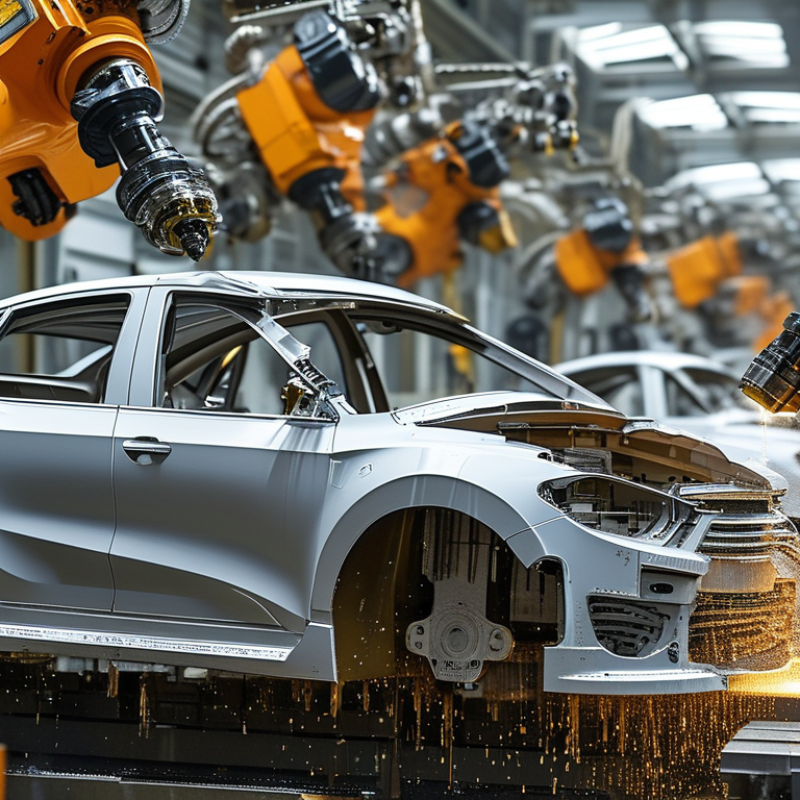
Why Automotive Manufacturing Relies on CNC Machining?

The Role of CNC Machining in Automotive Manufacturing Processes

CNC machining plays a crucial role in modern automotive manufacturing. This technology provides precision and efficiency. According to a report by the International Organization for Standardization (ISO), high-precision components can reduce production time by 30%. Time savings lead to lower labor costs and improved turnaround. Automotive manufacturers rely on CNC machines for complex parts that require high tolerances.

The automotive sector often demands stringent quality standards. Reports show that using CNC machining can minimize errors by up to 50%. This reduction in defects ensures that safety and performance meet rigorous regulations. Despite these advantages, challenges exist. Integrating CNC machines into existing processes can be costly and require skilled labor. Companies must invest in training and technology. Balancing these costs with benefits is essential for long-term success.

Additionally, sustainability remains a pressing concern in manufacturing. CNC machining can create less waste compared to traditional methods. However, some manufacturers still struggle with optimizing their setups for eco-friendly practices. Emphasizing such reflections can drive advancements in both technology and methodology. The role of CNC machining in automotive manufacturing is vital, yet it requires continuous evaluation and improvement.

Why Automotive Manufacturing Relies on CNC Machining? - The Role of CNC Machining in Automotive Manufacturing Processes

Dimension CNC Machining Benefits Applications in Automotive
Precision High accuracy for complex geometries Engine components
Efficiency Reduced machining time Transmission parts
Material Versatility Ability to machine different materials Chassis and frame components
Cost-effectiveness Lower labor costs with automation Automated assembly and fixtures
Scalability Quick adaptation to production changes Prototype parts and custom tooling

Key Benefits of CNC Machining for Precision Parts Production

CNC machining plays a vital role in automotive manufacturing. Its ability to produce precision parts consistently makes it invaluable. This technology uses computer-controlled machines to achieve high levels of accuracy. This is crucial in making components such as engine parts, transmission systems, and more. Each of these parts requires exact specifications to ensure optimal performance and safety.

One key benefit of CNC machining is repeatability. Once a design is programmed, the machine can create the same part repeatedly with minimal variation. This reduces waste and saves time in the production process. However, if the initial design contains flaws, those flaws will propagate throughout the entire production run. Hence, thorough inspections are essential.

Another advantage lies in the material versatility. CNC machining can work with various materials, from metals to plastics. This flexibility allows manufacturers to choose the most suitable material for each application. Still, selecting the wrong material can lead to performance issues. Manufacturers must carefully evaluate their choices to aim for optimal functionality. This ongoing assessment highlights the importance of continual learning and adaptation in the industry.

Comparative Analysis: CNC Machining vs. Traditional Manufacturing Methods

CNC machining has changed the landscape of automotive manufacturing. This technology allows for high precision and efficiency. Traditional methods often struggle with these factors. Manual processes can introduce human error. This can lead to defects in the final product. CNC machines, on the other hand, offer consistent quality.

In traditional manufacturing, setup times can be lengthy. Machines often need manual adjustments. This can slow down production. CNC machining minimizes these delays. Once programmed, machines can run continuously. This automation results in less downtime. However, operators must be skilled in both programming and maintenance.

Cost is another significant aspect. Traditional methods often require more labor, which increases expenses. CNC machining can reduce labor costs in the long run. Yet, the initial investment can be higher. This dilemma may require companies to weigh immediate costs against long-term savings. Embracing CNC machining isn't without challenges. Companies must consider training and technology updates.

Impact of CNC Technology on Production Efficiency and Cost Reduction

CNC machining has transformed automotive manufacturing significantly. According to a report by McKinsey & Company, companies utilizing CNC technology have observed up to a 30% increase in production efficiency. This efficiency comes from reduced setup times and higher precision in part manufacturing. With CNC machines capable of operating continuously, businesses can meet growing market demands without proportionally increasing labor costs.

Cost reduction is another compelling advantage of CNC technology. A study by the National Association of Manufacturers indicates that automakers can save approximately 25% on production costs through automation. CNC machining minimizes material waste by ensuring precise cutting and shaping of components. Yet, implementing CNC requires significant initial investments. Companies must weigh these costs against potential long-term savings and productivity gains.

While CNC machining offers clear benefits, it is essential to monitor potential challenges. The reliance on technology can lead to skills gaps within the workforce. As machines take over, worker training can lag behind. This gap sometimes results in operational issues. Addressing these concerns is critical for sustainable growth in automotive manufacturing sectors that rely on CNC machining.

Future Trends in CNC Machining for the Automotive Industry

The automotive industry is witnessing significant changes driven by advancements in CNC (Computer Numerical Control) machining. As precision becomes paramount, manufacturers are adopting advanced technology to enhance production efficiency. According to a recent industry report, 72% of manufacturers believe CNC machining will be crucial for producing high-quality automotive components by 2025.

Future trends in CNC machining indicate a shift towards automation and artificial intelligence integration. Real-time data analysis allows for predictive maintenance. This proactive approach can reduce downtimes by up to 25%, according to sector analysts. Additionally, the demand for electric vehicles is reshaping machining practices. Components must be lighter yet robust, pushing the boundaries of traditional techniques.

However, challenges remain in CNC machining. The skill gap can limit the effective implementation of new technologies. Many professionals lack the training needed to leverage these advancements fully. Mistakes in programming can lead to costly errors, and the reliance on technology raises concerns about cybersecurity threats. Addressing these issues will be critical for the automotive sector as it moves forward, ensuring the reliability of manufacturing processes remains intact.

FAQS

: What is the main benefit of CNC machining in automotive manufacturing?

: CNC machining provides high precision and efficiency. It significantly reduces production time and labor costs.

How does CNC machining impact product quality?

CNC machining minimizes errors by up to 50%. This helps meet safety and performance regulations effectively.

What challenges do companies face when implementing CNC machines?

Integrating CNC machines can be costly. Skilled labor and training investments are necessary for successful adoption.

Can CNC machining help in sustainable manufacturing practices?

Yes, CNC machining generates less waste. However, some manufacturers struggle with optimizing eco-friendly setups.

How does setup time compare for CNC machining versus traditional methods?

Traditional methods often have lengthy setup times. CNC machining reduces these delays, allowing for continuous production.

Is the initial investment in CNC machines worth it for companies?

While initial costs are higher, CNC machines can lead to long-term savings by reducing labor and improving efficiency.

Do operators need special skills to manage CNC machines?

Yes, operators must be skilled in programming and maintenance for optimal performance of CNC machines.

What is a potential downside of transitioning to CNC machining?

Companies may face challenges in balancing initial costs with the potential long-term benefits and efficiency improvements.

How does CNC machining influence production speed?

Once programmed, CNC machines run continuously, which significantly increases production speed compared to manual methods.

Are there limitations to the benefits of CNC machining?

Although CNC machining offers many advantages, continuous evaluation and improvement are necessary to overcome ongoing challenges.

Conclusion

The article "Why Automotive Manufacturing Relies on CNC Machining" explores the crucial role that CNC (Computer Numerical Control) machining plays in the automotive manufacturing sector. It highlights how CNC machining enhances the production processes by providing precision, consistency, and flexibility, which are essential for crafting high-quality automotive components. Key benefits include the ability to produce intricate parts with minimal waste, showcased through a comparative analysis against traditional manufacturing methods, which often fall short in terms of efficiency and precision.

Furthermore, the impact of CNC technology on production efficiency and cost reduction is significant, as it streamlines workflows and minimizes human error. The article also discusses future trends in CNC machining that could revolutionize the automotive industry, emphasizing why automotive manufacturing depends on CNC machining to meet the evolving demands for innovation and performance.

Madeline

Madeline

Madeline is a dedicated marketing professional with a wealth of expertise in our company's core offerings. With a keen understanding of the industry, she brings a unique perspective to her role, consistently delivering high-quality content that highlights the superior aspects of our products. As......