The manufacturing landscape has changed dramatically in recent years. A significant driver of this change is automation. According to a report by Deloitte, 85% of manufacturers expect to adopt more automation by 2025. This shift is reshaping the dynamics of machining workshops globally.
Why automation is transforming machining workshops is evident in several key areas. Efficiency is a primary factor. Automation reduces cycle times and enhances precision. A McKinsey study shows that companies implementing automation can increase productivity by up to 30%. Additionally, labor shortages are pushing manufacturers to seek automated solutions.
While automation brings advantages, it also presents challenges. There is a steep learning curve for operators. Companies sometimes overlook the importance of training and adapting to new technologies. As the industry moves forward, reflecting on these challenges is essential. Understanding the complexities of this transformation will help ensure successful integration of automation in machining workshops.
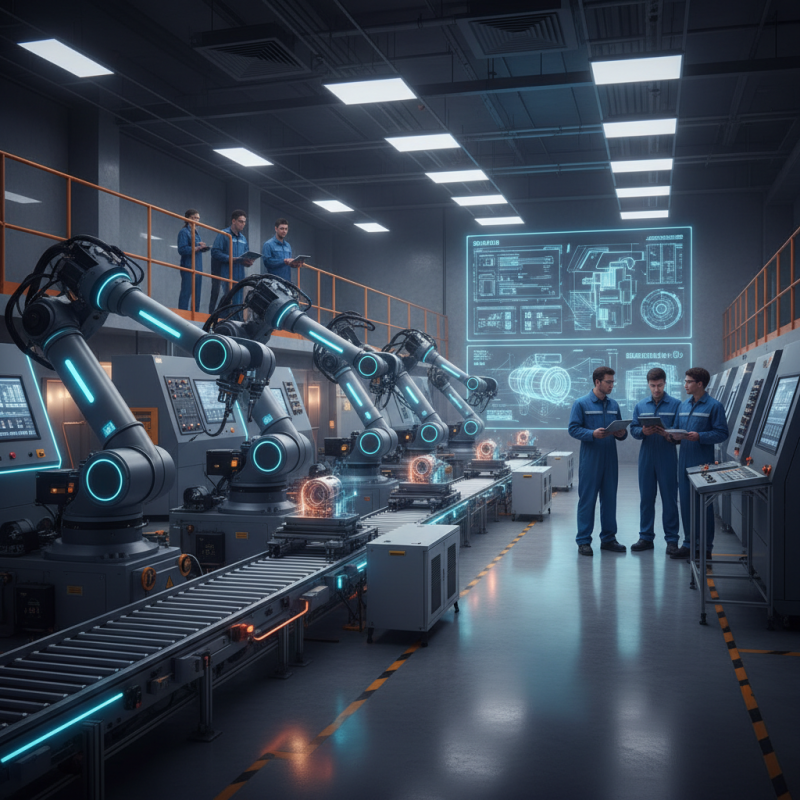
The Rise of Automation in Machining Workshops
The rise of automation in machining workshops has been significant in recent years. According to a report from the International Federation of Robotics, the global industrial robot market is expected to grow at a CAGR of 14% by 2025. This trend reflects a growing reliance on automation technologies. Manufacturers seek to enhance efficiency and productivity while reducing operational costs.
Robots and automated systems can perform repetitive tasks with precision. They reduce errors and enhance output quality. A recent survey by Deloitte showed that 57% of manufacturers plan to increase investments in automation. Despite these advancements, challenges remain. The transition to automation requires significant training and adjustments, which can lead to initial inefficiencies. Workers often need to adapt to new roles alongside machines.
Moreover, automation can create workforce gaps. The McKinsey Global Institute indicates that about 15% of the global workforce could be displaced by automation by 2030. This data raises important questions about job security and skills development. As workshops embrace automation, they must consider the balance between technology and human labor. Thoughtful implementation of automation can address these issues and enhance overall workshop performance.
Enhancing Efficiency Through Automated Processes
Automation is reshaping machining workshops in remarkable ways. Automated processes enhance efficiency, reduce errors, and save time. Workers can focus on complex tasks, while machines handle repetitive operations. This shift allows for a more balanced workload and improved job satisfaction among workers. Imagine a workshop where setups are faster, significantly cutting downtime.
The integration of automatic systems also leads to better resource management. Automated tools can optimize material usage, reducing waste and cost. This precision ensures consistency in production quality. However, it requires constant monitoring and adjustments to avoid unexpected issues. Workers may also need retraining to fully utilize new technologies. Emphasizing education in this rapidly changing environment is crucial to keep up with automation trends.
Despite these advantages, challenges remain. Not all automation can be seamlessly implemented. Each workshop has unique needs that automation must address. Some machines may not fit existing setups perfectly, leading to inefficiencies. Regular assessments and flexibility in planning are essential to overcome such hurdles. Embracing change is necessary, but it requires a thoughtful strategy.
Reducing Labor Costs with Automation in Manufacturing
In the modern machining workshop, automation is reshaping the landscape. Reducing labor costs is one of the significant advantages of this technology. Manual processes often require numerous skilled operators, leading to high labor expenses. By integrating automation, many workshops can cut these costs while maintaining quality. Machines equipped with advanced capabilities can operate continuously, reducing downtime.
However, the shift to automation is not without challenges. Training existing staff to adapt and work alongside automated systems can be a hurdle. Some workers may feel threatened by technology, fearing job displacement. It is crucial to address these concerns through proper education and training. Workshops can invest time in reflecting on how to create a harmonious environment where both automated systems and skilled workers thrive.
Moreover, focusing solely on cost savings might obscure other benefits of automation. Enhanced precision and consistency are vital. Yet, it’s easy to overlook the importance of human oversight. As workshops embrace technology, they must also acknowledge the irreplaceable value of skilled craftsmanship. Balancing cost efficiency with expertise can drive sustainable growth.
Improving Precision and Quality Control with Automation
Automation is revolutionizing machining workshops by enhancing precision and quality control. Advanced technologies like robotic arms and CNC machines can perform tasks with unprecedented accuracy. A report from the International Society of Automation indicates that implementing automation can reduce errors in machining processes by up to 90%. This substantial reduction fosters higher quality products and encourages customer satisfaction.
However, even with automation, challenges persist. Machines require regular maintenance to sustain their precision levels. An overlook in calibration can lead to deviations that compromise quality. Emphasizing routine checks and adopting a proactive maintenance schedule is crucial.
Tip: Implement a weekly calibration protocol to ensure your machines maintain their precision levels.
Moreover, the integration of automation allows for real-time quality monitoring. Sensors can detect defects immediately, enabling instant corrections. Data from the Manufacturing Technology Insights shows that companies utilizing automated quality control systems improve their production yield by at least 30%. Yet, blindly trusting automation can lead to complacency. Regular human oversight is essential.
Tip: Encourage team members to engage in periodic review sessions to assess automated outputs and address any discrepancies.
Adapting to Industry 4.0: Future Trends in Machining Workshops
The advent of Industry 4.0 has significantly impacted machining workshops. Automation, driven by smart technology, enhances productivity. According to a recent McKinsey report, companies implementing automation see productivity gains of up to 30%. This shift allows for precise machine operations, reducing human error.
Integrating IoT devices offers real-time monitoring. Sensors track machine performance, alerting managers of potential issues. This leads to reduced downtime and maintenance costs. A study by Deloitte shows that predictive maintenance can cut maintenance costs by 25%. However, the transition to fully automated systems can be daunting. Workshops may face challenges in employee retraining while addressing concerns about job security.
Data analytics plays a significant role. Advanced algorithms analyze production trends, optimizing workflows. Despite these advantages, many workshops struggle with implementation. As technology evolves, staying updated is essential. Old systems may hinder progress, requiring difficult decisions about upgrades. Thus, workshops must carefully weigh the benefits of automation against their current operational realities.
FAQS
: Automation enhances efficiency, reduces errors, and saves time, allowing workers to focus on complex tasks.
Workers often need to adapt to new roles alongside machines, which can cause initial inefficiencies.
A survey showed that 57% of manufacturers plan to increase investments in automation technologies.
Automation could displace about 15% of the global workforce by 2030, raising concerns about job security.
Yes, automation must fit unique workshop needs, and not all machines integrate perfectly, which leads to inefficiencies.
By integrating machines that operate continuously, workshops can cut labor costs while maintaining quality production.
Proper education and training are crucial for staff to work effectively alongside automated systems.
No, workshops should also consider enhanced precision, quality, and the value of skilled craftsmanship.
Regular assessments, flexibility, and a thoughtful strategy in planning can help overcome automation challenges.
Workshops must balance technology use with the irreplaceable value of skilled human oversight and craftsmanship.
Conclusion
Automation is revolutionizing machining workshops, and understanding why automation is transforming machining workshops is crucial for modern manufacturing. The rise of automated processes enhances efficiency significantly, allowing for faster production times and reduced operational bottlenecks. Furthermore, automation helps in reducing labor costs by minimizing the need for manual intervention, which can lead to substantial savings over time.
Additionally, the implementation of automation enhances precision and quality control, ensuring that every part produced meets stringent specifications consistently. As the industry adapts to Industry 4.0, trends in automation indicate a future where smart technologies and interconnected systems will further streamline operations, reduce waste, and improve overall productivity in machining workshops. This shift not only meets current demands but also prepares businesses for the challenges of tomorrow's manufacturing landscape.

 Cora CNC