In the rapidly evolving manufacturing landscape, the exploration of what advantages automated machining systems provide is paramount. Renowned industry expert Dr. Emily Chen highlights this by stating, “Automated systems enhance precision and reduce human error, ultimately streamlining production.” These advanced technologies are reshaping traditional machining processes, infusing them with efficiency and innovation.
Automated machining systems offer benefits such as increased production speed, improved quality, and reduced labor costs. These systems can operate continuously, allowing manufacturers to meet growing demands. Enhanced precision in machining minimizes errors, which is critical in industries where tolerances are tight.
However, reliance on automation isn't without challenges. Initial costs can be high, and workers may face job displacement. As businesses adopt these systems, they must consider training programs and workforce adaptation. The transition to automation requires careful planning and reflection. Understanding what advantages automated machining systems provide is essential for staying competitive in today's market.
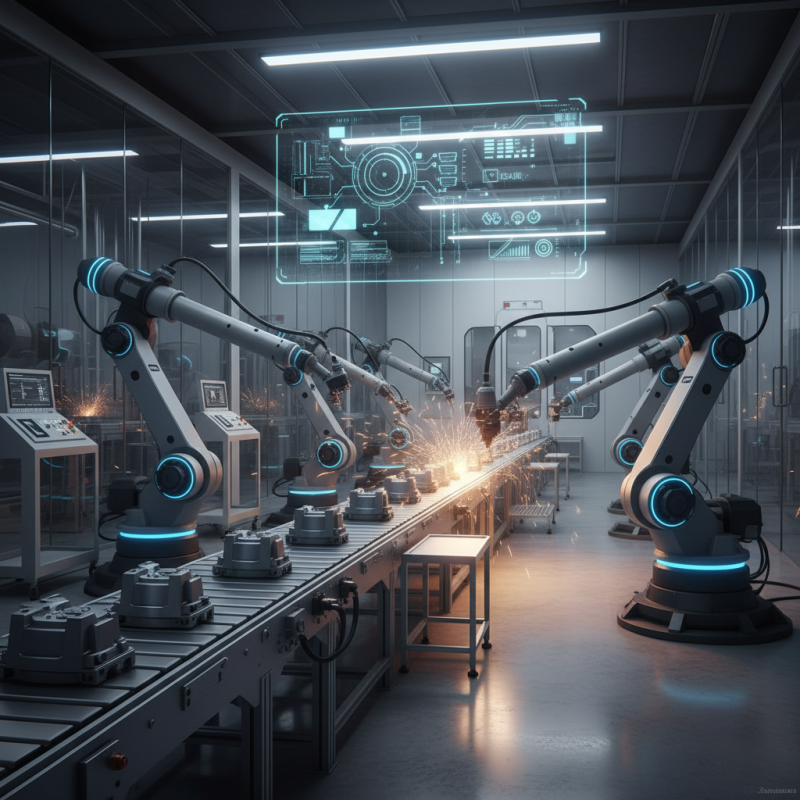
Automated machining systems are revolutionizing manufacturing. One key advantage is their precision. According to a report from the International Journal of Advanced Manufacturing Technology, these systems can achieve tolerances as small as 0.01 mm. This level of accuracy reduces material waste and enhances product quality.
The high repeatability of automated systems ensures consistent outcomes. Data from the American Society of Mechanical Engineers highlights that automating machining can improve production efficiency by up to 30%. However, it's essential to recognize that not all automated systems function optimally in every setting. Factors such as machine maintenance and software updates can impact performance.
Increased precision leads to better competitiveness. Manufacturers can produce intricate designs that manual processes struggle to achieve. Yet, integrating automation isn't without challenges. Initial setup costs can be significant, and employee training is necessary. Continuous assessment of these systems is vital to harness their full potential. Balancing automation's benefits with its limitations is crucial for long-term success.
Automated machining systems greatly impact labor costs in manufacturing. By reducing the need for human intervention, these systems streamline processes. This leads to significant savings in wages and benefits. Skilled labor can be expensive, especially in industries with a high demand for precision. Automation minimizes this dependency, shifting budget allocations toward technology and maintenance.
While automation offers great financial benefits, it is not without challenges. Upfront costs can be substantial when implementing new systems. Additionally, training staff to oversee and maintain these machines is essential. Not all workers are comfortable with new technologies, leading to potential gaps in productivity. It's vital to balance automation with human expertise to ensure smooth operations.
The reliability of automated systems is key. These machines can work around the clock, decreasing production time. However, technical issues still arise, potentially halting operations. A fully automated factory demands backup plans and troubleshooting strategies. Continuous monitoring and refining of processes become necessary to achieve optimal results. This balancing act between automation and human oversight is crucial for success in the machining industry.
This chart illustrates the various advantages of automated machining systems, focusing on their impact on labor costs, precision, production speed, quality, and safety improvements. The values represent a hypothetical percentage indicating the extent of each advantage as perceived in the industry.
Automated machining systems significantly enhance production efficiency in today's manufacturing landscape. According to a report by McKinsey, companies implementing automation can boost productivity by up to 30%. This productivity surge is attributed to reduced cycle times and minimal human error. Automation optimizes operations, allowing manufacturers to increase output without sacrificing quality.
Moreover, automated systems often improve worker safety. A study by the National Institute for Occupational Safety and Health (NIOSH) indicated that automation could lead to a reduction in workplace injuries by 30%. While this progress is promising, it requires a shift in skill sets for the workforce. Employees must adapt to working alongside machines, highlighting the need for continuous education and training.
However, the transition to automated machining isn't without challenges. Initial setup costs can be high, and not all companies see immediate returns. Some face integration issues with existing systems. Reflection on these points is crucial for businesses considering automation. The long-term benefits are clear, yet the journey may involve hurdles that demand strategic planning and patience.
Automated machining systems have transformed manufacturing processes, particularly regarding flexibility and customization. One significant advantage is their ability to adapt to changing production needs. Unlike traditional systems, automated machines can be reconfigured swiftly. This allows for quick adjustments in design specifications or production volumes. For instance, a machine can switch from machining one component to another with minimal downtime. This adaptability leads to increased efficiency.
Another important aspect is the capability for customization. Automated systems can produce complex geometries with high precision. This benefits industries where unique parts are crucial. However, implementing customization can pose challenges. Organizations must invest in training and software updates to handle specific requirements. Also, maintaining consistency across custom parts remains a challenge.
Despite these hurdles, the potential of automated machining systems is remarkable. They can enable manufacturers to deliver tailored solutions faster and more accurately. This evolution in engineering processes demands continuous reflection on operational strategies. Future innovations should focus on enhancing user experience and minimizing setbacks related to customization challenges.
Automated machining systems enhance safety significantly. By reducing human intervention, they minimize the chances of accidents. Operators are less exposed to hazardous environments. This leads to a decline in workplace injuries and fatalities. Enhanced safety protocols are often integrated into these systems, ensuring that machines stop immediately in emergencies. It's crucial to recognize these systems’ limitations, as no technology is infallible. Regular maintenance and updates are necessary to keep safety features functioning effectively.
In an automated environment, risk management becomes streamlined. Sensors and AI monitor equipment health in real time. This proactive approach helps in identifying potential failures before they escalate. However, over-reliance on technology can create complacency among workers. It's important that operators remain vigilant and engaged. Engaging training programs can help maintain this awareness and readiness.
Tips for improving safety in automated machining: Regularly assess and update safety protocols. Encourage team discussions around equipment issues. Conduct routine training sessions to keep skills sharp. Building a culture of safety can significantly reduce risks. Remember, technology aids in safety, but human oversight is irreplaceable.
| Advantage | Description | Impact on Safety | Risk Management |
|---|---|---|---|
| Reduced Human Error | Automated systems minimize the risks associated with human mistakes through precision programming. | High | Enhanced procedures reduce liability and accidents. |
| Consistent Quality | Automated machining ensures each piece meets exact specifications, reducing variability. | Medium | Lower risks of product recalls and liabilities. |
| Safe Operating Conditions | Machinery can operate in hazardous environments without direct human oversight. | Very High | Less exposure to hazardous materials and conditions for workers. |
| Increased Efficiency | Automated systems can run 24/7, leading to higher output levels. | Medium | Improved resource management and operational resilience. |
| Data-Driven Insights | Real-time data collection allows for proactive risk assessment. | High | Early detection of potential issues reduces incident likelihood. |
: The main advantage is precision, achieving tolerances as small as 0.01 mm, reducing waste.
Automation can improve production efficiency significantly, by up to 30%, according to industry data.
Yes, they can be reconfigured quickly, allowing adjustments in design and production volume.
Customization requires investments in training and software updates, which can be challenging for firms.
They reduce human intervention, minimizing the risk of accidents and enhancing safety protocols.
No, regular maintenance is necessary. Technology is not infallible, so human oversight remains important.
Maintaining consistent quality requires ongoing assessment and commitment to training and software updates.
Over-reliance can lead to complacency among workers, which may compromise safety and effectiveness.
Regular safety assessments, team discussions, and routine training sessions can significantly improve safety.
Yes, ongoing reflection on operational strategies ensures that systems function optimally and adapt to challenges.
Automated machining systems offer numerous advantages that significantly enhance manufacturing processes. One of the key benefits is the increased precision they provide, leading to higher quality products and reduced waste. By minimizing human error, these systems ensure consistency in production. Furthermore, automation results in a substantial reduction of labor costs, as machines can perform tasks faster and more efficiently than manual labor.
Additionally, automated machining solutions enhance production efficiency by streamlining operations, allowing for quicker turnaround times and greater output. Their flexibility and customization capabilities enable manufacturers to adapt to changing market demands promptly, facilitating a wide range of production needs. Lastly, improved safety and risk management in automated environments mitigate workplace hazards, creating a safer space for workers. Overall, what advantages automated machining systems provide are pivotal in advancing the manufacturing industry towards greater productivity and effectiveness.

Cora CNC