In the world of precision machining, "High Torque CNC Turning" is a game-changer. Renowned expert John Smith states, “High torque enables deeper cuts and better surface finishes.” This technique empowers manufacturers to achieve dimensions with remarkable accuracy. It allows for efficient material removal, improving production rates while maintaining quality.
However, high torque also presents challenges. Excessive torque can cause tool wear or even breakage. Machinists need to find a balance between power and precision. Understanding material properties is crucial. Each material reacts differently under high torque conditions.
Incorporating high torque is not just about machinery. It requires skilled operators. Training and knowledge in CNC programming can make a significant difference. The journey to mastery involves trial and error, often leading to valuable insights. Embracing these complexities can elevate a shop’s capabilities significantly.
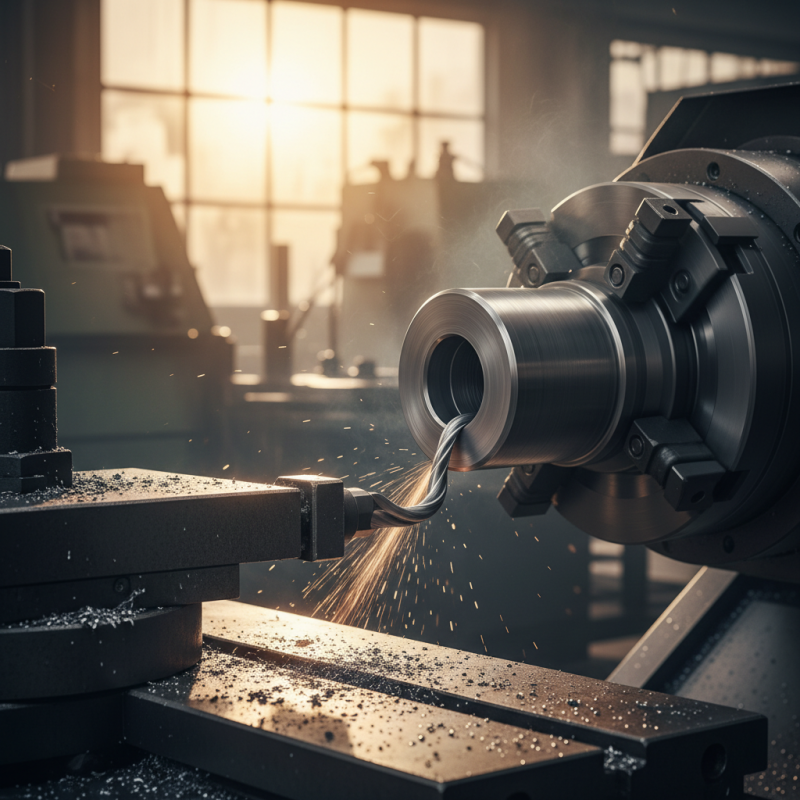
Understanding High Torque CNC Turning in Precision Machining
High torque CNC turning is vital in precision machining. It enhances the performance of machining operations, especially for tough materials. According to a report from the Manufacturing Technology Association, higher torque enables tools to maintain speed and avoid stalling. This leads to better surface finishes and tighter tolerances.
Tips: Ensure your CNC machine has the necessary torque specifications. Regular maintenance prevents unexpected downtime. Verify the tooling setup to promote consistent performance.
Precision machining frequently faces challenges. Variations in torque can lead to inaccuracies. A lack of torque might render tools ineffective, while excess torque can cause premature wear. Assess your setups regularly. Try different materials to determine the optimal torque settings. Balancing torque and speed is crucial for efficiency.
Even experienced machinists can overlook the importance of torque. Data from industry studies indicates that about 30% of machined parts fail quality checks due to improper torque settings. Always document your findings and adjust as necessary. Understanding and managing torque effectively can significantly improve machining outcomes.
How to Achieve High Torque CNC Turning for Precision Machining?
| Parameter |
Value |
Unit |
| Max Torque |
300 |
Nm |
| Spindle Speed |
1500 |
RPM |
| Cutting Feed Rate |
0.15 |
mm/rev |
| Material Removal Rate |
120 |
cm³/min |
| Tool Wear Rate |
0.02 |
mm/h |
| Accuracy |
±0.01 |
mm |
Key Factors Influencing Torque in CNC Turning Operations
Achieving high torque in CNC turning is a delicate balance. The main factors include material properties, tool geometry, and machine parameters. Different materials react uniquely under stress. For instance, harder materials require more torque but can lead to tool wear. Understanding how each material behaves is essential for optimal torque management.
Tool design also plays a crucial role. A poorly designed tool may not engage effectively with the material. This can result in less torque and increase the likelihood of vibration. Tool coatings can enhance performance, but they also change how torque is applied. Overlooking these details can lead to inefficiency.
Another factor is machine setup. Ensuring the right feed rates and spindle speeds can affect torque output significantly. Sometimes, operators might rush through setups, leading to mistakes. A quick adjustment might seem harmless, but it can compromise precision. Monitoring and tweaking these settings regularly can prevent torque issues.
Techniques to Optimize Torque for Enhanced Machining Precision
Achieving high torque in CNC turning is crucial for precision machining. One effective technique is to adjust the spindle speed based on the material hardness. Softer materials may require lower speeds, while harder materials can handle higher torque. This balance can improve surface finish and extend tool life. Pay close attention to the feed rate as well. Too fast can lead to unexpected wear.
Another approach is to select the right tool geometry. Tools with sharper angles can cut through material more efficiently. However, they may not hold up well under high torque. Sometimes, a compromise is necessary. Using coolant effectively can also play a role in managing torque. Proper cooling prevents overheating, which can destabilize both torque and precision. Yet, overusing coolant can lead to poor chip removal and flooding.
Monitoring the machine's performance is essential. Sometimes, high torque doesn’t equate to high precision. Keeping an eye on vibration levels can provide insights into machining quality. High vibrations often indicate issues. Regularly recalibrating machines can ensure that torque levels remain optimal. This constant adjustment may feel tedious, but it's vital for achieving precise results.
Torque Optimization Techniques for Precision CNC Turning
This bar chart illustrates the torque output associated with different CNC turning techniques. It highlights how varying RPM settings and the use of variable torque can optimize torque for enhanced machining precision.
Selecting the Right Tools for High Torque CNC Turning Applications
When selecting tools for high torque CNC turning, precision and durability are key. High torque applications often require robust cutting tools that can withstand greater forces without compromising quality. According to recent industry reports, high-speed steel (HSS) and carbide tools are common choices due to their strength and heat resistance. The right geometry can also enhance performance, improving chip removal and coolant flow.
Tips: Always consider tool wear rates. Monitoring these can prevent unexpected tool failures. Additionally, test various angles and designs during setup, as these can drastically affect torque efficiency.
Choosing the correct coating for tools is crucial. Different coatings affect friction, wear resistance, and thermal stability. A study showed that tools with titanium nitride (TiN) coating can extend tool life by up to 50%. However, not every application requires a specialized coating; it’s essential to balance cost and performance.
Understanding the material is vital. Harder materials often require different tools compared to softer ones. Sometimes, softer metals can lead to increased tool wear if the wrong tools are used. So, experimentation is necessary, and reflection on past tools used can provide insights for future projects.
Maintenance Practices for Sustaining High Torque CNC Machines
Maintaining high torque CNC machines is critical for precision machining. Proper maintenance ensures optimal performance and longevity of these machines. According to industry reports, well-maintained CNC machines can achieve
20-30% higher efficiency than those that are not regularly serviced.
Consistent lubrication is necessary. It reduces friction, preventing wear and tear on moving parts. Regularly check lubricant levels and ensure they meet specifications. Dust and debris also pose risks. They can interfere with mechanical parts. Scheduled cleanings can minimize malfunctions. Notably, approximately
25% of machine downtime is attributed to inadequate cleaning practices.
Moreover, monitoring machine performance is essential. Using data analytics tools can predict maintenance needs. However, not all companies utilize this technology. A lack of data-driven insights can lead to overlooked issues. This oversight may cause unexpected breakdowns, resulting in costly delays. Regular training for operators is also vital.
Skilled personnel can identify minor issues before they escalate. Ignoring these factors can undermine the potential of high torque CNC machines in precision machining.
Conclusion
High Torque CNC Turning is a critical aspect of precision machining that allows for enhanced performance and accuracy in manufacturing applications. Understanding the mechanics behind high torque operations is essential for optimizing machining results. Key factors influencing torque, such as spindle speed, cutting tools, and material properties, must be carefully considered to achieve desired outcomes.
To further enhance machining precision, techniques such as adjusting feed rates and utilizing advanced tooling can be implemented. Selecting the right tools specifically designed for high torque applications plays a pivotal role in achieving optimal results. Additionally, maintaining CNC machines through regular inspection and servicing ensures sustained high torque performance, ultimately leading to improved efficiency and quality in production processes.

 Cora CNC