As the manufacturing sector evolves, Precision Turning Centers stand at the forefront of technological advancement. Industry reports highlight a projected growth rate of 5.6% annually in the CNC machinery market. This underscores the increasing relevance of precision turning in modern production processes. Manufacturers are under pressure to optimize efficiency and accuracy.
However, not all facilities adopt these advanced machines. Some struggle to justify the investment. Essential factors like training and integration into existing workflows present significant challenges. Reports indicate that nearly 30% of manufacturers lack adequate training for their staff. This gap can lead to underutilization of precision turning capabilities.
Understanding the nuances of Precision Turning Centers can bridge this gap. Familiarity with their features and capabilities is crucial. Optimization is not merely about acquiring new technology. It is about leveraging it effectively for sustainable growth and improved quality in production. The question remains: are we ready for such a transformation?
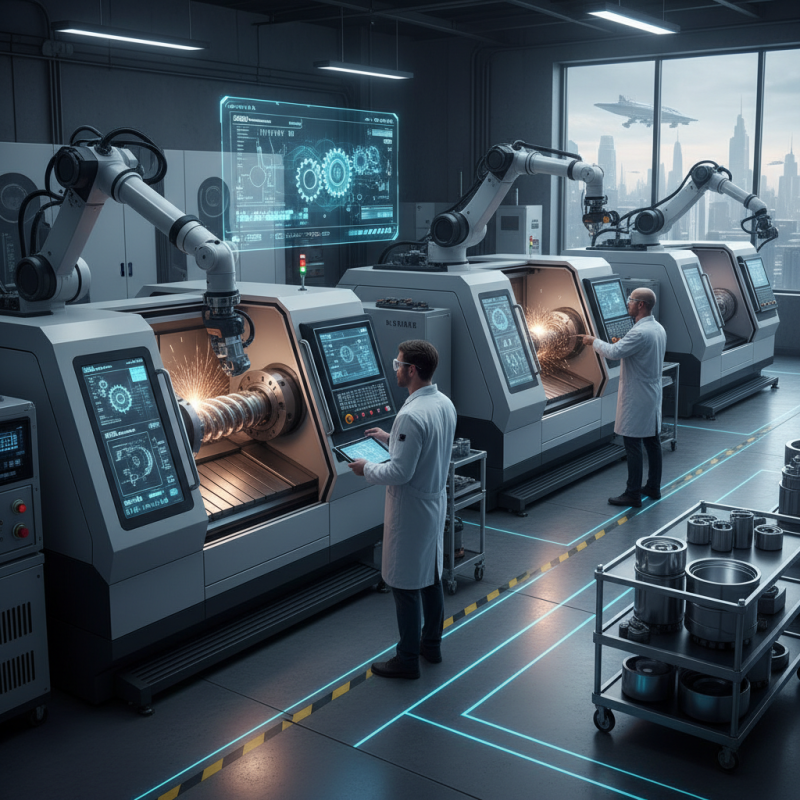
In 2026, precision turning centers play a pivotal role in manufacturing. These machines enhance both efficiency and accuracy across various sectors. According to recent industry reports, the precision turning center market is expected to grow at a compound annual growth rate (CAGR) of 5.2% from 2023 to 2028. This shift shows an increasing reliance on high-precision components.
Precision turning centers provide increased flexibility for complex parts. They cater to industries like aerospace, automotive, and medical where precision matters. However, maintaining accuracy can be a recurring challenge. Many manufacturers struggle with quality control. Reportedly, up to 30% of machining errors are linked to equipment setup issues. Addressing these shortcomings is crucial for future advancements.
Additionally, operators often face skill gaps. Although automation is rising, a skilled workforce is still needed. As a result, training programs must evolve. Current statistics reveal that 60% of companies plan to invest in workforce development. This focus can help bridge gaps and ensure quality output. Moving forward, it's essential to recognize these operational imperfections for continuous improvement.
Precision turning centers are vital in modern manufacturing. These machines excel at producing high-quality, intricate parts. When selecting a top precision turning center, understanding key features is crucial.
One important feature is spindle speed. High spindle speeds enable better productivity and finer finishes. Reports indicate that centers with spindles exceeding 6,000 RPM can enhance output by up to 30%. Additionally, accuracy is essential. Machines that maintain tolerances of ±0.005 mm are preferred in aerospace and automotive sectors.
Tips: Consider the materials you will work with. Some materials require higher torque and cutting speed. Evaluate the machine’s capabilities accordingly.
Another notable aspect is tooling versatility. The best turning centers accommodate various tools for different tasks. Flexibility allows manufacturers to adapt quickly to changing demands. However, be aware of the trade-offs. Machines that boast versatility might sacrifice precision in specific settings.
Tips: Regular maintenance is essential. Neglecting this can lead to unexpected downtimes. Ensure all parts are in working condition for optimal performance.
In conclusion, choosing a precision turning center involves careful consideration of spindle speed, accuracy, and tooling versatility. Manufacturers must weigh these factors against their specific needs and operations.
When exploring the top precision turning centers in 2026, several features stand out. These machines are known for their high accuracy and efficiency. Many models now prioritize user experience and ease of operation. Functionality is often paired with advanced technology. This combination enhances productivity and reduces downtime.
The leading brands offer models with diverse capabilities. Some focus on small batch production, while others excel in high-volume manufacturing. However, not every model is a perfect fit for every shop. Factors such as maintenance requirements and operational costs often require careful consideration. It can be challenging to assess the right balance between quality and affordability.
Furthermore, the market is evolving quickly. New innovations appear frequently, making it hard to keep up. Users may find themselves overwhelmed by options. Not all features on a machine may be necessary for their specific needs. This calls for reflection on what truly enhances the production process. Understanding one's unique requirements can drive better decision-making.
Precision turning centers play a vital role across various industries. They are essential in manufacturing components with high accuracy. These machines are particularly valuable in the automotive sector. They produce intricate parts like gears and shafts. Each component requires precision, given the safety standards involved.
Another key area is medical device manufacturing. Precision turning centers create critical components for surgical instruments. These parts must meet stringent regulations. Even slight variations can lead to failures. The aerospace industry also relies on these machines extensively. They produce lightweight yet strong components for aircraft.
Despite their importance, challenges exist. Effective training for operators is vital. Machines often require fine-tuning for optimal performance. Misalignment can lead to costly errors. Continuous monitoring is essential to maintain quality. Industries must invest in technological upgrades to stay competitive.
As precision turning technology evolves, the industry is witnessing innovative trends. The rise of automation is a major focus.
Automated turning centers enhance efficiency and precision, but they also require skilled operators. Balance is key. More automation can lead to less hands-on experience, which might be a concern.
Sustainability is another growing trend. Manufacturers are seeking eco-friendly practices. This includes using energy-efficient machines and reducing waste. Implementing greener techniques can be challenging.
Companies may need to invest in new training for their staff. Adapting to these changes is often a struggle, but it’s essential for future success.
Data-driven decision-making is becoming vital. The integration of IoT in turning centers allows for real-time monitoring. This can improve production but also complicates data management.
The challenge lies in interpreting vast amounts of information. Companies must refine their processes, yet many still grapple with inconsistencies in data utilization. The future of precision turning technology is exciting, yet demands careful thought and adaptation.
: High spindle speeds improve productivity and finishes. Speeds over 6,000 RPM can boost output significantly.
Machines with ±0.005 mm tolerances are preferred, especially in aerospace and automotive industries.
Versatile machines can adapt to various tasks but may lose precision in specific settings.
Some materials require higher torque and cutting speed. Evaluate the machine’s capabilities for each material.
Neglecting maintenance leads to downtimes. Keeping parts in good condition ensures optimal performance.
Automation improves efficiency but requires skilled operators. More automation can reduce hands-on experience.
Eco-friendly practices are essential but can be challenging. Companies may need to invest in training.
Real-time monitoring improves production but complicates data management. Many struggle with interpreting vast information.
While seeking advancements, they must not overlook hands-on skills. Balance is vital for success.
Companies may face inconsistencies in data utilization. Refining processes is necessary but often difficult.
In 2026, Precision Turning Centers have become indispensable in various manufacturing sectors, showcasing advancements in technology and design. These machine tools are characterized by their ability to produce intricate parts with high accuracy and efficiency, catering to a diverse range of applications, from aerospace to automotive industries. Key features of top Precision Turning Centers include enhanced automation, superior tooling capabilities, and state-of-the-art control systems, which facilitate precision machining and reduce operational downtime.
As industries increasingly focus on precision and speed, the demand for these advanced turning centers continues to grow. The leading brands in 2026 offer models that integrate cutting-edge technologies, making them ideal for modern manufacturing challenges. Looking ahead, the future trends in Precision Turning Technology indicate a shift towards greater connectivity and intelligence in machine operations, paving the way for smart manufacturing solutions that optimize productivity and deliver higher quality outputs.

Cora CNC